
Physical Assets: Your Digital Portfolio’s Anchor
Published on Tháng 12 22, 2025 by Admin

In today’s rapidly evolving financial landscape, investors often focus heavily on digital assets. Cryptocurrencies and stocks offer exciting growth potential. However, a truly balanced portfolio considers a wider range of holdings. This includes tangible, physical assets. These assets can provide unique benefits. They offer stability and diversification. They are also less correlated with digital markets. Therefore, understanding the economic rationale for holding physical assets alongside digital ones is crucial for balanced investors.
The Core Rationale: Diversification and Stability
The primary economic argument for holding physical assets is diversification. Digital assets can be highly volatile. They are often sensitive to market sentiment and technological shifts. Physical assets, on the other hand, tend to have a lower correlation with digital markets. This means they may not move in the same direction or at the same pace. As a result, they can help reduce overall portfolio risk.
Furthermore, physical assets often represent tangible value. This intrinsic value can provide a degree of stability during economic downturns. For instance, real estate or precious metals may hold their value better than digital assets when markets are in turmoil. This resilience is a key component of a robust investment strategy. It helps preserve capital when other assets might be declining sharply.
Tangible Value in an Intangible World
We live in an increasingly digital world. Much of our wealth is represented by bits and bytes on a screen. Physical assets offer a counterpoint to this trend. They are real, touchable items. This tangibility provides a psychological sense of security. It also means they have inherent utility or scarcity. This can underpin their value even when digital markets are unstable.
Consider gold, for example. It has been a store of value for millennia. Its scarcity and industrial uses contribute to its enduring appeal. Similarly, real estate provides shelter and can generate rental income. These fundamental uses make them less susceptible to the speculative swings common in digital markets. Therefore, they act as a ballast for a portfolio.
Types of Physical Assets for Balanced Portfolios
Several categories of physical assets can complement a digital investment strategy. Each offers distinct advantages and considerations.
Real Estate: More Than Just a Home
Real estate is a classic physical asset. It can range from residential properties to commercial buildings. Owning property can provide several benefits. Firstly, it offers potential for capital appreciation over time. Secondly, it can generate rental income, creating a passive cash flow. Thirdly, real estate can act as a hedge against inflation. As the cost of living rises, property values and rents often increase as well. This can help protect purchasing power.
However, real estate also involves significant costs. These include property taxes, maintenance, and insurance. Investors must carefully consider these factors. They should also be aware of market fluctuations. For instance, a downturn in the housing market can impact property values. Yet, over the long term, real estate has historically been a reliable wealth-building asset. This is why understanding when buying a home is an investment and when it’s just a major debt is essential.
Precious Metals: A Store of Value
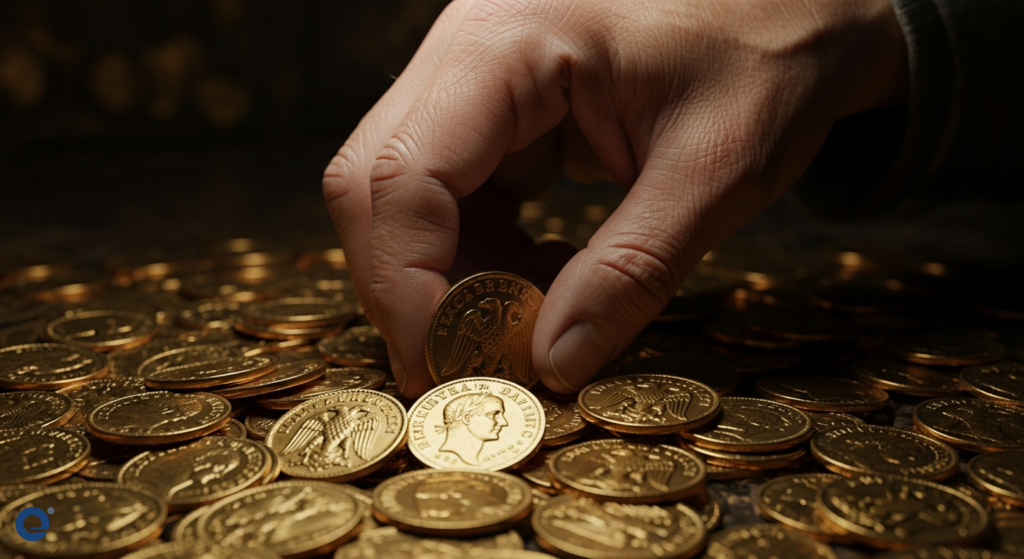
Precious metals like gold, silver, platinum, and palladium are often seen as safe-haven assets. They are tangible commodities with intrinsic value. Historically, they have performed well during times of economic uncertainty and inflation. This is because their supply is relatively limited. Also, they are not subject to the same monetary policy decisions as fiat currencies or digital assets.
Holding physical precious metals means you possess a tangible asset. You don’t rely on a third party for its custody. However, storing and insuring these assets can incur costs. Furthermore, their prices can be volatile in the short term. Yet, their long-term track record as a store of value remains compelling for many investors. This is especially true when considering how inflation erodes the value of cash reserves.
Commodities: Beyond Precious Metals
Other commodities, such as oil, agricultural products, and industrial metals, also represent physical assets. Investing in these can be done through futures contracts or by holding physical quantities. These assets are essential for the global economy. Their prices are driven by supply and demand dynamics. They can offer diversification benefits as their performance is often tied to different economic cycles than stocks or bonds.
However, commodity markets can be highly speculative and volatile. They are influenced by geopolitical events, weather patterns, and global economic growth. Therefore, a thorough understanding of these markets is necessary. For many investors, direct ownership of large quantities of raw commodities is impractical. Thus, indirect investment methods are more common.
Collectibles and Art: Value Appreciation Potential
Certain collectibles, like rare art, vintage cars, fine wines, or stamps, can also be considered physical assets. These items can appreciate significantly in value over time. Their value is often driven by rarity, historical significance, and demand from collectors. They can provide a unique form of diversification.
However, the market for collectibles is often illiquid. Valuing these assets can be subjective. Authentication and provenance are critical. Storage and insurance costs can also be substantial. Therefore, investing in collectibles requires specialized knowledge and a long-term perspective. It’s important to distinguish between spending on vanity and true investment value. You can explore this further in articles about branded goods: quality investment or vanity purchase? and valuing expensive hobbies: a collector’s guide.
Addressing the Practicalities: Ownership and Taxation
Holding physical assets comes with practical considerations. These include how to acquire, store, and manage them. Taxation is also a significant factor.
Acquisition and Custody
Acquiring physical assets involves different processes. Real estate transactions are complex and often require mortgages. Precious metals can be bought from dealers or through specialized funds. Collectibles are typically purchased through auctions, dealers, or private sales.
Custody is another key issue. Where will you store your physical assets? Safe deposit boxes, home safes, or professional storage facilities are options for items like precious metals. Real estate, by its nature, is immobile. The security and insurance of these assets are paramount. Failure to adequately protect them can lead to significant losses.
Sales and Use Tax Implications
When purchasing tangible personal property, sales and use taxes often apply. Sales tax is imposed at the time of sale. The seller collects and remits this tax. Use tax applies when sales tax was not collected. This is common for out-of-state purchases intended for use within a specific state. For example, if you buy furniture from an out-of-state vendor not collecting Iowa sales tax, you owe Iowa use tax. This tax is based on the sales price. The purchaser is responsible for remitting use tax if the seller does not collect it. Businesses and individuals must be aware of these obligations to avoid penalties and interest.
Many jurisdictions impose both a state and a local option sales tax. The rate can vary. For instance, Iowa has a 6% state sales tax, with an additional 1% for local options on most sales. Understanding these tax laws is vital for compliance. This applies whether you are an individual or a business making purchases. You can find detailed information on Iowa’s sales and use tax regulations.
Capital Gains and Property Taxes
When you sell a physical asset for more than you paid for it, you may incur capital gains tax. The tax rate depends on how long you held the asset. Short-term gains are typically taxed at ordinary income rates. Long-term gains often have lower tax rates. For assets like real estate, property taxes are an ongoing expense. These are levied annually by local governments based on the assessed value of the property. Therefore, tax implications are a crucial part of the economic rationale for holding any asset.
Physical vs. Digital: A Complementary Relationship
The decision to hold physical assets is not about abandoning digital investments. Instead, it’s about creating a more resilient and diversified portfolio. Digital assets offer unparalleled liquidity and accessibility. They also have the potential for rapid growth. However, they can be prone to rapid depreciation and technological obsolescence.
Risk Mitigation Strategies
Physical assets can mitigate certain risks inherent in digital investments. For example, they are less susceptible to cyber threats or platform failures. Their value is not solely dependent on an internet connection or a specific blockchain. This provides a layer of security. It ensures that even if digital markets experience a catastrophic event, some portion of your wealth remains accessible and retains tangible value.
Moreover, physical assets can offer protection against inflation. When the purchasing power of currency declines, the value of tangible goods often rises. This is a critical consideration for long-term wealth preservation. You can explore strategies for inflation-proofing current cash reserves and understand how inflation is eroding your savings every day.
Enhancing Portfolio Performance
A balanced portfolio that includes both physical and digital assets can potentially offer enhanced overall performance. While digital assets may drive growth, physical assets can provide stability and reduce drawdowns. This combination can lead to smoother returns over time. It can also improve risk-adjusted returns.
For instance, during periods of high inflation, real estate or precious metals might outperform digital assets. Conversely, during periods of rapid technological advancement, digital assets might see significant gains. A diversified approach allows investors to benefit from different market conditions. It aligns with the principle of not putting all your eggs in one basket. This concept is fundamental to understanding why physical assets should be considered alongside digital assets.
Frequently Asked Questions
What are the main advantages of holding physical assets?
Physical assets offer diversification, stability, and tangible value. They tend to have a lower correlation with digital assets, reducing overall portfolio risk. They can also serve as a hedge against inflation and provide psychological security due to their inherent tangibility.
Are there any disadvantages to holding physical assets?
Yes, disadvantages include illiquidity, higher transaction costs, storage and insurance expenses, and potential for ongoing taxes like property taxes. Valuation can also be subjective, especially for collectibles.
How does sales tax differ from use tax?
Sales tax is collected by the seller at the point of sale for tangible goods and services. Use tax is paid by the purchaser when sales tax was not collected, typically on out-of-state purchases intended for use within a specific jurisdiction. Both are based on the sales price. For example, Iowa imposes both sales and use taxes on tangible personal property and taxable services.
Can physical assets help protect against inflation?
Yes, many physical assets, such as real estate and precious metals, are considered inflation hedges. Their value often increases as the general price level rises, helping to preserve purchasing power.
Is it better to hold physical assets or digital assets?
It is not an either/or situation. A balanced portfolio for most investors includes a mix of both. Digital assets offer growth and liquidity, while physical assets provide stability and diversification. The optimal mix depends on individual risk tolerance, financial goals, and market outlook.
Where can I learn more about diversifying my portfolio?
You can learn more about building a well-rounded investment strategy by exploring resources on portfolio diversification. Understanding a simple formula for calculating optimal portfolio diversification can be a good starting point.
“Don’t Keep Your Cash In The Bank”: 6 Assets That Are Better & Safer Than Cash
Conclusion
In conclusion, the economic rationale for holding physical assets alongside digital ones is strong. It centers on diversification, stability, and tangible value. While digital assets offer growth and liquidity, physical assets provide a crucial anchor. They can mitigate risks and preserve wealth, especially during volatile economic periods. By carefully considering assets like real estate, precious metals, and other tangible goods, balanced investors can construct more resilient portfolios. This approach helps navigate the complexities of modern finance and achieve long-term financial security.
