
Branded Goods: Quality Investment or Vanity Purchase?
Published on Tháng 12 22, 2025 by Admin
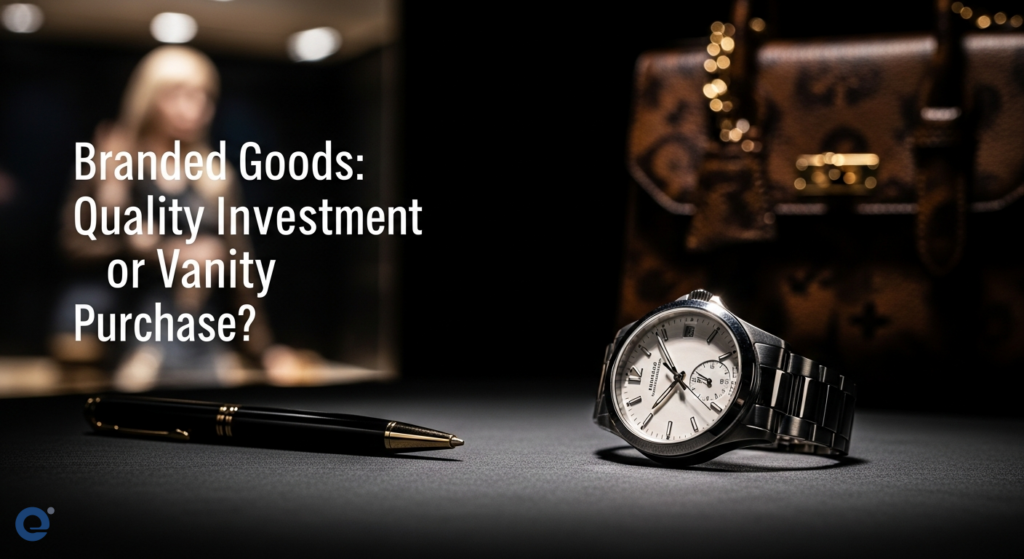
Luxury brands. They evoke images of exclusivity, craftsmanship, and undeniable prestige. For many, acquiring a branded item is a significant personal achievement. However, a persistent question lingers: are we truly investing in enduring quality, or is this capital merely being wasted on fleeting vanity?
This exploration delves into the nuanced world of branded goods. We will examine the factors that contribute to their perceived value. Furthermore, we will consider the potential pitfalls of chasing status. Ultimately, this will help you make more informed purchasing decisions.
The Allure of the Brand: More Than Just a Logo
Why do certain brands command such high prices and fervent loyalty? It’s rarely just about the product itself. Branding plays a crucial role in shaping consumer perception. A strong brand communicates a story, a set of values, and an aspirational lifestyle.
For instance, think about how brands like Apple or Chanel are perceived. They are not just selling electronics or clothing. They are selling an experience, a feeling of belonging, and an identity. This emotional connection is a powerful driver of purchasing decisions.
Branding as a Differentiator
In a crowded marketplace, branding is key. It helps consumers distinguish between similar products. Therefore, marketing teams carefully curate their brand message. They aim to resonate with their core audience’s needs and desires. Aligning brand values with consumer values fosters recall and loyalty.
This goes beyond mere product features. It also considers how the brand makes consumers feel. Does it make them feel productive, sustainable, or perhaps, luxurious? Consistency in branding, through common symbols, fonts, or colors, ensures instant recognition.
Historically, unique branding has been used to influence public opinion. King Frederick the Great of Prussia, for example, wanted to encourage potato consumption. He declared potatoes a royal vegetable, creating demand and a black market for them. This demonstrates the power of branding to shape behavior.
The Tangible Value: Quality, Craftsmanship, and Durability
When we talk about branded goods, quality is often a primary selling point. Luxury brands frequently invest heavily in superior materials and meticulous craftsmanship. This can translate into products that are not only beautiful but also incredibly durable.
Consider a high-quality leather handbag or a well-made Swiss watch. These items are often built to last for decades, if not a lifetime. They use premium materials that withstand wear and tear better than cheaper alternatives. This longevity can, in some cases, justify the higher initial cost.
The Investment Angle: Longevity and Resale Value
Some branded items can even be considered investments. Certain luxury goods, like limited edition watches or iconic handbags, can hold or even increase their value over time. This is especially true if they are well-maintained.
For example, a rare vintage watch might appreciate significantly. This is because demand from collectors outstrips the limited supply. Similarly, certain designer pieces can become highly sought after in the resale market. This potential for appreciation is a key differentiator from disposable consumer goods.
However, this is not a universal rule. Many branded items depreciate rapidly. It is essential to research specific products and brands to understand their long-term value retention. You can learn more about differentiating true investments from mere purchases in our article, Major Purchases: Is It Truly an Investment?
The Shadow Side: Vanity, Overspending, and Wasted Capital
Despite the allure of quality and prestige, the pursuit of branded goods can lead to significant financial missteps. For many, the desire to signal status or conform to social expectations can override rational decision-making.
This is where the line between quality investment and wasted capital becomes blurred. Overspending on items that offer little intrinsic value beyond their brand name can be a considerable drain on finances. It’s important to distinguish between spending for identity and spending for intrinsic value.
The Cost of Advertising and Marketing
A significant portion of the price tag on branded goods is often attributed to marketing and advertising. Brands invest heavily to create and maintain their exclusive image. Consumers ultimately bear the brunt of these expenses.
Estimates suggest that a substantial percentage of advertising budgets are wasted. For instance, around 60% of advertising budgets are estimated to be wasted. Furthermore, a large portion of ad impressions are never even seen. This means that consumers are indirectly funding a significant amount of this marketing effort.
This raises the question of return on investment for the consumer. Are you paying for superior product, or for the brand’s promotional activities? It is crucial to consider what you are truly paying for. Understanding the true cost of luxury goods versus their perceived value is essential. Our article, Luxury’s True Cost: Value vs. Price Revealed, offers further insights.
Impulse Buys and the Status Trap
The pressure to keep up with trends or project a certain image can lead to impulse purchases. These are often driven by emotion rather than need. The desire to fit in or stand out can lead to buying items that are not financially prudent.
This can create a cycle of overspending. Consumers may find themselves constantly chasing the next big thing. This is often referred to as the “status trap.” It’s a situation where financial well-being is sacrificed for social validation. The “48-hour rule” can be a useful tool to combat impulse spending. You can learn more about it here: The 48-Hour Rule: Beat Impulse Spending.
Moreover, many consumers fall into the trap of simply wanting what others have. This is often driven by social media and marketing. It’s important to question whether a purchase aligns with your personal values and financial goals. Spending for identity versus spending for intrinsic value is a critical distinction to make.
Making Informed Decisions: Quality vs. Vanity
So, how can consumers navigate this complex landscape? The key lies in critical evaluation and a clear understanding of personal priorities. It’s about discerning genuine value from mere brand appeal.
The “Three-Times Cost” Rule
A helpful framework for evaluating significant purchases is the “three-times cost” rule. This principle suggests that a truly valuable purchase should offer benefits that far outweigh its price. More specifically, it encourages considering if the item will provide value for at least three times its cost over its lifespan.
For example, if a high-quality, durable item costs three times more than a cheaper alternative, but lasts nine times longer, it might be a better long-term investment. This rule encourages thinking about durability, utility, and overall value. This perspective helps shift focus from immediate gratification to long-term benefits.
This concept is further explored in articles like The Three-Times Cost Rule: Rethink Big Buys. It emphasizes a more strategic approach to high-value purchases.
Assessing True Value: Beyond the Label
When considering a branded item, ask yourself these questions:
- Does the quality justify the price?
- Will this item last for a significant period?
- Does it genuinely enhance my life or meet a specific need?
- What is the potential resale value, if any?
- Am I buying this for its intrinsic value or for external validation?
It’s also beneficial to research the brand’s reputation for customer service and warranty. A brand that stands behind its products offers additional peace of mind. Sometimes, buying secondhand can offer superior value. You can explore this strategy in our article, Secondhand Savvy: When Used Items Offer Superior Value.
The Role of Branding in Marketing ROI
For businesses, effective branding is not just about selling products; it’s about building lasting relationships. When marketing teams focus on branding, they create differentiation. This is vital in competitive markets.
As Source 2 highlights, aligning brand values with consumer values is essential for brand recall and loyalty. Branding should consider not only product attributes but also the emotional impact on consumers. Consistency in symbols, fonts, and colors makes a brand instantly recognizable.
This strategic approach to branding can significantly reduce advertising waste. Instead of casting too wide a net, brands can focus on messages that resonate with their target audience. This leads to a better return on investment. Old Spice’s successful rebrand to target a younger demographic is a prime example of effective branding.
Conclusion: A Balanced Perspective
Ultimately, the decision to spend on branded goods is a personal one. There is a clear distinction between investing in quality that endures and wasting capital on fleeting vanity. High-quality branded items can offer superior durability, functionality, and even long-term value appreciation.
However, it is crucial to approach such purchases with a critical eye. Be mindful of marketing hype and the allure of status. By understanding the true value of a product, considering its longevity, and aligning purchases with personal financial goals, consumers can make smarter choices.
The goal is not to shun branded goods entirely. Instead, it is to engage with them mindfully. This ensures that your spending reflects genuine value and enduring satisfaction, rather than just the acquisition of a label. By doing so, you can enjoy the benefits of quality without succumbing to the pitfalls of vanity.
For a deeper dive into making smart financial choices, consider exploring how to differentiate needs versus wants. This fundamental skill is key to mastering your money.
PRICING STRATEGY: How To Find The Ideal Price For A Product

Frequently Asked Questions
Are branded goods always worth the extra cost?
Not always. While many branded goods offer superior quality and durability, a significant portion of their price can also be attributed to marketing and brand prestige. It is essential to assess each purchase individually based on its intrinsic value, longevity, and your personal needs.
How can I avoid overspending on luxury items?
To avoid overspending, employ strategies like the “three-times cost” rule, set a budget for luxury purchases, and use impulse-buying deterrents like the 48-hour rule. Question your motivations for buying and focus on intrinsic value rather than external validation.
Can branded goods be considered investments?
Some specific branded goods, such as rare watches, iconic handbags, or limited-edition collectibles, can appreciate in value over time and be considered investments. However, this is not true for all luxury items, and thorough research into market trends and resale value is crucial.
What is the “three-times cost” rule?
The “three-times cost” rule suggests that a purchase is worthwhile if it provides benefits that are at least three times its cost over its lifespan. This encourages consumers to prioritize durability and long-term value over immediate price.
How does branding impact marketing effectiveness?
Effective branding helps consumers differentiate products and builds loyalty. By aligning brand values with consumer values and maintaining consistency, brands can increase recall and reduce advertising waste, leading to a better return on marketing investment.
