
Secondhand Savvy: When Used Items Offer Superior Value
Published on Tháng 12 22, 2025 by Admin
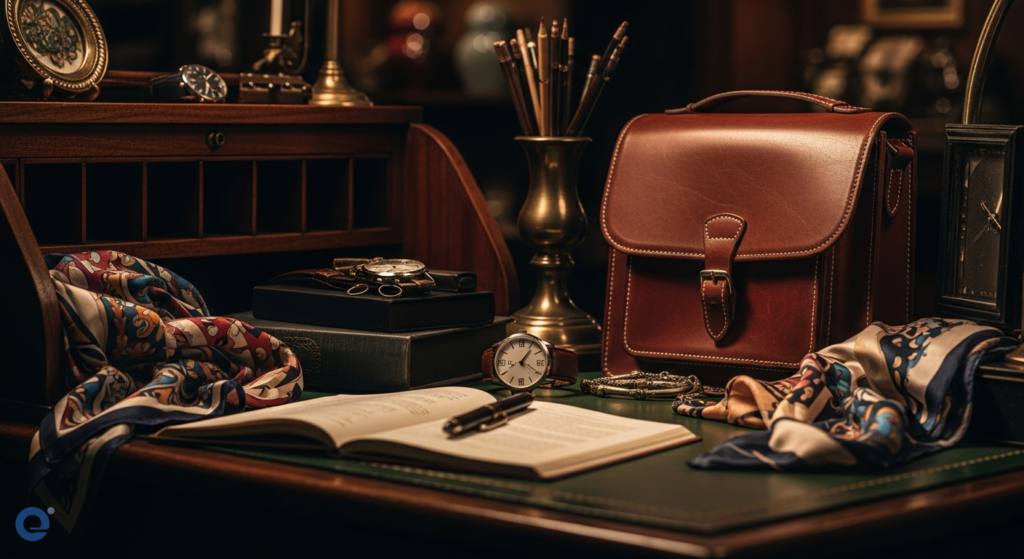
In today’s world, the idea of “new” often comes with a premium price tag. However, for the thrifty investor and the eco-conscious consumer, the opposite is frequently true. Acquiring second-hand items can yield significantly greater economic value. This isn’t just about saving money; it’s about smart resource allocation and making more sustainable choices. Therefore, understanding when and how to buy used is a crucial skill for financial well-being.
Many items depreciate rapidly the moment they leave the showroom. Think about cars, electronics, or even designer clothing. Their value plummets. Buying these items used allows you to bypass that initial steep depreciation. You get a product that is still perfectly functional, often with plenty of life left, at a fraction of the original cost. This approach maximizes your purchasing power. It also contributes to a circular economy, reducing waste and demand for new production.
The Economic Advantage of Pre-Owned Goods
The core principle here is simple: value retention. New items often carry a significant markup covering manufacturing, marketing, and retailer profit. Used items, on the other hand, have already borne the brunt of this initial cost. Their price reflects their current condition and remaining useful life, not their original sticker shock. Consequently, you can often acquire higher quality or more features for your budget by opting for a pre-owned item.
For instance, consider the automotive market. A brand-new car can lose 20% of its value in the first year alone. However, a car that is just one or two years old has already experienced that major depreciation. You can often find a well-maintained used car with low mileage for thousands of dollars less than its new counterpart. This difference in price can be reinvested, saved, or used for other financial goals. This is a fundamental aspect of smart investing, even in everyday purchases.
Navigating the Nuances: Not All Used Items Are Equal
While the economic benefits are clear, it’s important to approach second-hand acquisitions strategically. Not every used item offers a clear advantage. Some items are designed for single use or have a very limited lifespan. Others may have hidden defects that can lead to costly repairs down the line. Therefore, careful evaluation is paramount.
For example, the concept of “actual cash value” is relevant here. As defined in government contract principles, it refers to the cost of replacing damaged property with similar property in the same condition as it was before damage. This principle highlights that the value of an item is tied to its condition and usability, not just its age.
Key Categories Where Used Items Shine
Certain categories of goods consistently offer superior economic value when purchased used. These are typically items with high initial depreciation or those that are built to last.
Vehicles: A Classic Example
As mentioned, cars are a prime example. Beyond the initial depreciation, new cars often come with expensive add-ons and higher insurance premiums. Used cars allow you to avoid these costs. When buying a used vehicle, consider its maintenance history and overall condition. Understanding the true long-term cost of owning a used vehicle versus a new one is essential for maximizing savings.
Electronics: The Rapid Depreciation Zone
Technology evolves at a breakneck pace. A smartphone or laptop released today will be outdated in a year or two. Buying the latest model new means you’re paying a premium for features you might not need or that will soon be standard. Purchasing a slightly older model, or even one that’s a couple of years old, can save you hundreds of dollars. The performance difference might be negligible for everyday tasks. Therefore, consider your actual needs before opting for the newest gadget.
Furniture and Home Goods: Durability and Style
Well-made furniture, especially solid wood pieces, can last for decades. Many people redecorate or move and sell perfectly good furniture at a steep discount. You can furnish an entire home with stylish, durable pieces for a fraction of the cost of buying new. This also aligns with sustainable practices by giving items a second life.
Books and Media: Timeless Value
Books, DVDs, and video games are often sold for pennies on the dollar once their initial release hype has faded. Libraries and used bookstores are treasure troves for budget-conscious readers and entertainment enthusiasts. The content remains the same, regardless of whether it’s new or used. This is a straightforward way to access knowledge and entertainment without overspending.
Specialty Equipment and Tools: For Specific Needs
If you need a specific tool or piece of equipment for a one-off project or a hobby, buying it new can be incredibly expensive. Renting is an option, but buying used can be even more economical if you find a good deal. Think about power tools, camping gear, or even musical instruments. These items often hold their value reasonably well when purchased second-hand.
Understanding Costs Beyond the Purchase Price
While the upfront savings are the primary draw, a comprehensive value assessment involves considering other costs. This includes potential repair costs, usage taxes, and the overall lifespan of the item. For instance, in some jurisdictions, use tax applies to purchases made outside the state. Source 2 details the use tax rates for various items in Illinois, including vehicles and watercraft. Understanding these taxes is crucial for accurately calculating the total cost of ownership.
The Total Cost of Ownership: A Deeper Dive
When acquiring second-hand items, always factor in potential refurbishment or repair costs. A slightly damaged item might seem like a bargain, but if the repairs are extensive, the total cost could exceed that of a new item. Similarly, consider the item’s expected lifespan. A cheap, used item that breaks quickly isn’t a good value. Conversely, a well-maintained used item can offer excellent longevity.
Depreciation and Resale Value
One of the most compelling reasons to buy used is to avoid the steepest depreciation. Items like jewelry or diamonds, for example, often have very poor resale value when bought new. This is due to the significant markup by retailers and the lack of inherent scarcity for mined diamonds. Buying these items second-hand allows you to acquire them at a price closer to their intrinsic value, bypassing the initial retail premium and subsequent rapid depreciation.
Eco-Conscious Considerations: Value for the Planet
Beyond the financial benefits, buying second-hand is a powerful act of environmental stewardship. It directly contributes to reducing waste and conserving resources. Manufacturing new products requires significant energy, water, and raw materials. By choosing used, you:
- Reduce landfill waste.
- Conserve natural resources.
- Lower carbon emissions associated with manufacturing and transportation.
- Decrease demand for new production, which can be resource-intensive.
This aligns with principles of a circular economy, where materials are kept in use for as long as possible. It’s a win-win: you save money, and the planet benefits.
Where to Find Great Second-Hand Deals
The landscape of second-hand shopping has expanded dramatically. You can find incredible deals through various channels.
Online Marketplaces
Platforms like eBay, Facebook Marketplace, Craigslist, and specialized apps offer a vast selection of used goods. These platforms allow for easy searching, price comparison, and direct interaction with sellers. Always exercise caution and meet in safe, public places when dealing with individual sellers.
Thrift Stores and Charity Shops
These stores are fantastic for finding clothing, housewares, books, and unique items at very low prices. Inventory changes constantly, so frequent visits can yield unexpected treasures. Some stores even have specific discount days.
Consignment Shops
Consignment shops often offer higher-quality clothing and accessories. Sellers bring their items to the store, and the shop sells them on their behalf, taking a commission. This can be a great place to find designer brands at a discount.
Estate Sales and Garage Sales
These are excellent sources for furniture, collectibles, tools, and a wide variety of household items. Prices are often negotiable, especially towards the end of the sale. Estate sales, in particular, can offer a wide range of valuable items.
Specialty Second-Hand Retailers
There are stores dedicated to specific types of used goods, such as used bookstores, vintage clothing shops, or second-hand electronics retailers. These can be great places to find curated selections.
Making Informed Decisions: Key Questions to Ask
Before making any significant second-hand purchase, ask yourself a few critical questions. This diligence ensures you’re getting true value.
What is the item’s condition?
Inspect it thoroughly for any damage, wear and tear, or missing parts. For electronics, check if they power on and function correctly. For clothing, look for stains, holes, or excessive wear.
What is its expected remaining lifespan?
Consider how much use you can realistically expect from the item. A heavily used item might not be worth the savings if it will need replacement soon.
Are there any hidden costs?
Factor in potential repair, cleaning, or refurbishment expenses. Also, remember to consider any applicable taxes, like use tax. Understanding use tax is particularly important for vehicles or watercraft purchased from private sellers.
What is the original price versus the current asking price?
Research the original retail price to gauge the extent of the savings. Is the discount significant enough to justify buying used?
Can I find a comparable new item for a reasonable price?
Sometimes, the price difference between new and used isn’t as substantial as you might think, especially for lower-cost items. In such cases, buying new might offer a better warranty and peace of mind.
Asking these questions helps you avoid impulse buys and ensures you’re making a sound economic and eco-conscious decision. It’s also wise to consider the principles outlined in government cost principles, such as those found in FAR Part 31, which detail how costs are determined to be allowable, reasonable, and allocable. These principles, while applied in government contracting, offer valuable frameworks for evaluating any cost, including the “cost” of acquiring a used item.
When Buying New Might Still Be Better
While second-hand shopping offers many advantages, there are situations where buying new makes more sense. These often involve items where hygiene is paramount, where warranties are critical, or where customization is essential.
- Items requiring strict hygiene: Mattresses, certain baby gear, or undergarments are often best purchased new for health and safety reasons.
- Items with critical warranties: If a product has a very short lifespan or is prone to defects, a new purchase with a full warranty might be more economical in the long run.
- Highly customized items: If you need a specific configuration or feature set that is not commonly found on the used market, buying new may be necessary.
- Cutting-edge technology: For professionals who rely on the absolute latest technology for their work, buying new might be unavoidable.
However, even in these cases, explore refurbished options. Certified refurbished items often come with warranties and offer significant savings over brand-new products.
Conclusion: Embrace the Value of Second Chances
Acquiring second-hand items offers a powerful pathway to greater economic value and environmental responsibility. By understanding which categories offer the best deals, diligently assessing condition and potential costs, and knowing where to find them, thrifty investors and eco-conscious consumers can make smarter purchasing decisions. It’s about looking beyond the “new” label and appreciating the enduring value and financial sense that pre-owned goods can provide. Embracing the second-hand market is not just about saving money; it’s about a more sustainable and financially savvy lifestyle.
Consider the long-term financial implications of your purchases. For a deeper understanding of how to optimize your capital across various investments, you might find our article on leasing versus buying strategies insightful. Additionally, always remember to ask crucial questions before any major commitment, as detailed in our guide on 5 crucial questions before signing any major purchase.
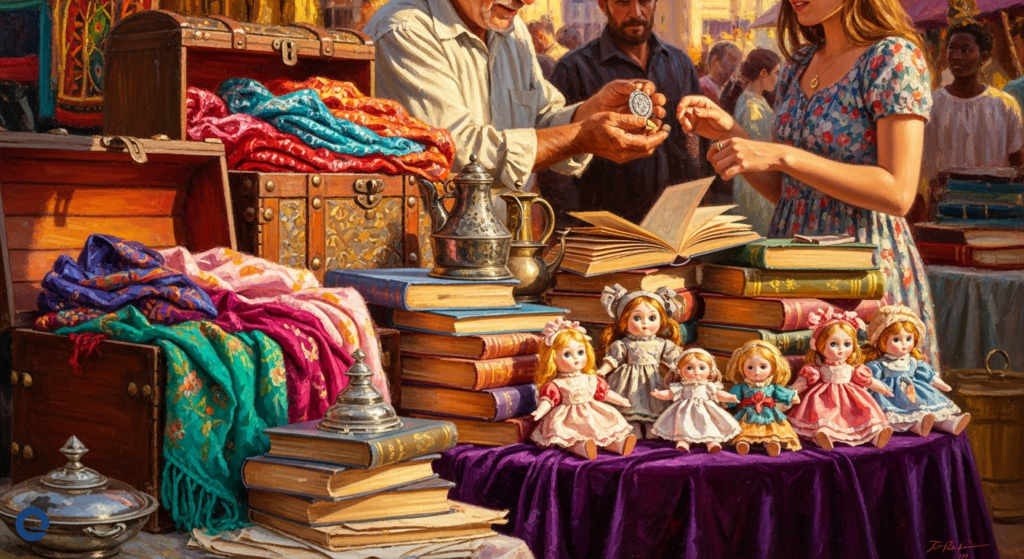
The Chinese Secret to Saving Money Revealed
Frequently Asked Questions (FAQ)
What are the biggest economic benefits of buying second-hand?
The primary economic benefit is bypassing the steep initial depreciation that new items experience. This allows you to acquire goods at a significantly lower price, freeing up capital for other investments or needs. Furthermore, used items often have lower insurance costs and can avoid certain taxes associated with new purchases.
Are there specific types of items that are always better to buy used?
Items that depreciate quickly, like cars and electronics, are excellent candidates for buying used. Also, durable goods like furniture, books, and certain tools can offer great value. However, always consider the item’s condition and potential repair needs.
How can I ensure the quality of a second-hand item?
Thorough inspection is key. Check for visible damage, wear, and functionality. For electronics, test them if possible. For vehicles, get a pre-purchase inspection from a trusted mechanic. Always research the item’s typical lifespan and common issues.
What are the environmental advantages of buying second-hand?
Buying second-hand significantly reduces waste going to landfills and conserves natural resources. It lowers the demand for new manufacturing, which is often energy-intensive and pollutes. Essentially, you’re participating in a circular economy, giving items a longer life.
When is it NOT advisable to buy second-hand?
It’s generally advisable to buy new for items where hygiene is critical (like mattresses or undergarments), for products that absolutely require a manufacturer’s warranty for your peace of mind, or for highly specialized, custom-made items that are rarely available used. Refurbished items can be a good compromise in some of these cases.
