

Many people consider buying real estate as a primary investment strategy. However, a more flexible approach exists. Instead of tying up capital in fixed assets, you can leverage rental income for diverse investment opportunities. This method offers greater agility and potential for broader portfolio growth. Let’s explore how to use rental income strategically.
Understanding the Core Concept
The fundamental idea is to generate income from properties you own and then reinvest that income. This differs from simply buying a property and holding it. Instead, it’s about actively managing cash flow from rentals. This cash flow can then be deployed into various investment vehicles. Therefore, this strategy emphasizes financial fluidity.
Rental Income as a Financial Engine
Rental properties can provide a steady stream of income. This income, when managed wisely, becomes a powerful tool. It can fund new ventures, pay down debt, or be invested elsewhere. Consequently, rental income acts as a consistent financial engine for your investment goals.
For instance, consider a property generating $2,000 in monthly rent. After expenses, this might leave $1,000 in net income. This $1,000 can be reinvested monthly. It’s a much more dynamic approach than waiting for property appreciation alone.
Key Considerations for Rental Income Investment
Before diving in, several factors are crucial. Understanding these will pave the way for success. It’s about more than just collecting rent; it’s about strategic deployment.
Property Management and Expenses
Managing rental properties involves responsibilities. You must handle tenant issues, maintenance, and repairs. Additionally, there are ongoing costs like property taxes, insurance, and potential vacancies. Therefore, accurate expense tracking is vital.
The IRS provides guidance on rental income and expenses. For example, you can deduct certain expenses related to your rental property. These include mortgage interest, property taxes, and depreciation. Publication 527 details these deductions.
Depreciation: A Tax Benefit
Depreciation is a significant tax advantage for rental property owners. It allows you to deduct a portion of the property’s cost each year. This reduces your taxable income. Consequently, it can significantly lower your tax liability.
For example, if you buy an investment duplex for $400,000 and the land is worth $100,000, the building value is $300,000. Using the 27.5-year depreciation period for residential rental property, you could deduct approximately $10,909 annually ($300,000 / 27.5 years). This deduction helps offset rental income. Tax depreciation rules are complex but beneficial.
The Role of Cash Flow
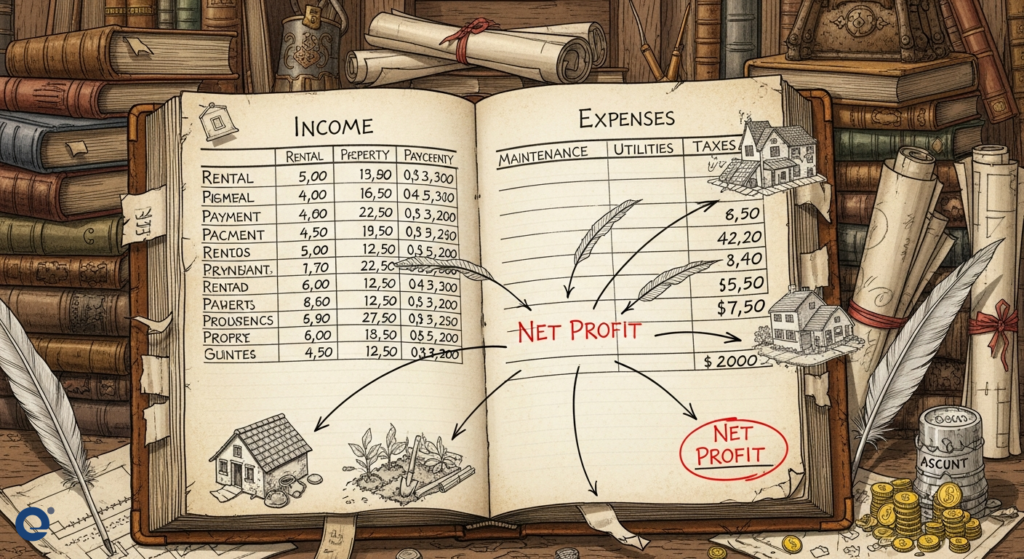
Positive cash flow is essential. It means your rental income exceeds your operating expenses. This surplus cash is what you can then reinvest. Without positive cash flow, the property becomes a drain rather than a source of investment capital.
Operating cash flow reports help investors understand their financial standing. They show what’s left over each month. Understanding property investment strategies often starts with mastering cash flow.
Strategies for Reinvesting Rental Income
Once you have a consistent stream of reinvestable income, the possibilities expand. You can diversify your portfolio beyond just real estate. This is where the true power of this strategy lies.
Diversifying Beyond Real Estate
While real estate can be a great investment, relying solely on it carries risks. Diversification is key to a robust investment portfolio. Therefore, consider other asset classes.
Stocks and Bonds
Rental income can fund investments in the stock market. You can buy individual stocks or exchange-traded funds (ETFs). Bonds also offer a more conservative investment option. This diversification helps mitigate risk. It also provides exposure to different market growth potentials.
Mutual Funds
Mutual funds allow you to invest in a diversified basket of securities. They are managed by professionals. This can be a good option for those who prefer a hands-off approach. Therefore, they are a popular choice for many investors.
Other Real Estate Ventures
You can also reinvest rental income into other real estate opportunities. This could include:
- Investing in Real Estate Investment Trusts (REITs).
- Partnering in larger real estate developments.
- Acquiring additional rental properties.
REITs offer a way to invest in large-scale real estate without direct ownership. They provide liquidity and professional management. This makes them an attractive option for beginners. Property investment for beginners often includes REITs.
The “Buy and Hold” Strategy vs. Income Reinvestment
The traditional “buy and hold” strategy focuses on long-term appreciation and rental income. However, actively reinvesting that income offers a different path. It allows for compounding growth across multiple investment types. This can potentially accelerate wealth accumulation.
For example, instead of waiting for one property to appreciate significantly, you can use its rental income to invest in stocks that are growing rapidly. This dual approach can lead to faster overall portfolio expansion.
Tax Implications and Considerations
Understanding the tax landscape is crucial for maximizing your returns. As mentioned, depreciation offers a significant benefit. However, other tax aspects need consideration.
Depreciation Recapture
When you sell a rental property, the IRS may “recapture” some of the depreciation deductions you’ve taken. This means you might owe tax on that recaptured amount. The depreciation recapture tax rate is typically capped at 25%. Depreciation recapture tax is a key factor when selling.
This is an important point to factor into your exit strategy. Planning for this tax liability ensures you don’t face unexpected financial burdens. Navigating storms in your investments includes understanding these tax implications.
Capital Gains Tax
Any profit realized from selling a rental property is subject to capital gains tax. The rate depends on your income level and how long you held the property. Long-term capital gains rates are generally lower than short-term rates.
Smart tax planning is essential. It helps minimize your overall tax burden. Minimizing tax burden ensures more of your investment gains stay in your pocket.
When Buying Fixed Assets Might Be Less Ideal
While buying fixed assets like property has its merits, it’s not always the optimal choice. Consider situations where it might be less advantageous.
High Capital Requirements
Purchasing real estate requires a substantial upfront investment. This includes down payments, closing costs, and potential renovation expenses. Therefore, it can tie up a large amount of capital.
If you have limited capital or prefer to keep funds liquid, this can be a drawback. Using rental income for investment offers more flexibility. It allows for smaller, more frequent investments. This is particularly true when compared to the large sums needed for property acquisition.
Illiquidity of Assets
Real estate is generally an illiquid asset. Selling a property can take time and effort. It involves marketing, negotiations, and closing processes. In contrast, investments like stocks or bonds can be bought and sold much more quickly.
If you anticipate needing access to your funds quickly, illiquid assets pose a challenge. The ability to quickly convert investments into cash is known as liquidity. Physical vs. digital assets often differ significantly in liquidity.
Market Volatility and Risk
While real estate markets can be stable, they are not immune to downturns. Property values can decrease, leading to losses. Common investor mistakes during market downturns often involve being over-exposed to a single asset class.
By reinvesting rental income into a diversified portfolio, you spread your risk. This makes your overall financial strategy more resilient. Understanding your investment risk levels is paramount.
FAQ Section
What are the main advantages of using rental income for investment versus buying fixed assets?
The main advantages include greater liquidity, diversification opportunities, lower upfront capital requirements for subsequent investments, and the potential for faster wealth accumulation through compounding across various asset classes.
Can I still depreciate my rental property if I reinvest the income?
Yes, you can still depreciate your rental property. Depreciation is an allowance for the wear and tear of the property itself. Reinvesting the income generated from it does not affect your ability to claim depreciation.
How do I track rental income and expenses effectively?
Effective tracking involves using accounting software, spreadsheets, or dedicated property management tools. You should categorize all income and expenses meticulously. Keeping receipts and records is essential for tax purposes.
What are some common pitfalls when reinvesting rental income?
Common pitfalls include not having enough cash reserves for unexpected property expenses, over-diversifying too quickly without proper research, underestimating taxes, and failing to have a clear investment strategy for the reinvested funds.
Is it possible to lose money by reinvesting rental income?
Yes, it is possible to lose money if the investments made with the rental income perform poorly. This is why diversification and careful research are crucial. It’s also important to maintain adequate cash reserves for your rental property.
The 4 Methods People Use to Get Rich with Real Estate
Conclusion
Leveraging rental income for further investment offers a dynamic and potentially more rewarding path than solely relying on buying fixed assets. It provides flexibility, promotes diversification, and can accelerate wealth building. By understanding the tax benefits, managing expenses diligently, and strategically reinvesting your earnings, you can transform rental properties into powerful engines for your financial future. Therefore, consider this approach as a key component of your investment strategy.
