
Branded Goods: Quality Investment or Vanity Purchase?
Published on Tháng 12 14, 2025 by Admin
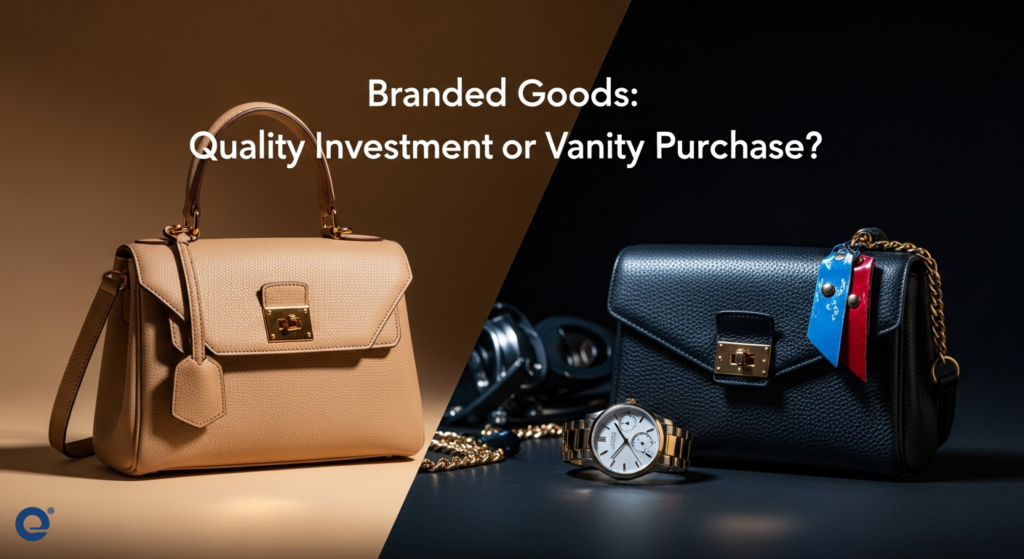
Deciding between a branded product and its generic counterpart can be a complex choice. Many consumers grapple with this dilemma daily. They wonder if the higher price tag of a brand name truly reflects superior quality or if it’s merely a symbol of status. This article will explore the nuances of buying branded goods, helping you make informed decisions. We will delve into the factors that contribute to brand value. Furthermore, we will examine whether these premium products are always worth the investment.
Understanding Brand Value: Beyond the Logo
Brand value is a multifaceted concept. It encompasses much more than just a recognizable logo. Often, brands build their reputation over years. They achieve this through consistent quality and customer experience. For example, GE Appliances has evolved significantly since its inception over a century ago. Today, under Haier’s ownership, they continue to innovate. This innovation maintains the quality customers expect, spanning from baseline units to premium Café models. Industry round-ups consistently list GE among the most dependable brands, with lower-than-average service calls. This suggests a strong reliability factor.
The Allure of Quality and Craftsmanship
Premium brands often emphasize superior materials and meticulous craftsmanship. Take bathroom vanities, for instance. Companies like BEMMA offer collections such as Gracie, Markham, and Terra. These vanities come in various sizes and finishes. For example, a 24-inch Gracie vanity might cost $2,695.00. A similar Markham vanity can be priced at $2,995.00. Customers often praise the “nice design” and “overall look and storage.” Many reviews highlight “very well constructed” units with “quality materials.” The “hardware inlay is very well done.” One satisfied customer noted a “beautiful vanity” with “quality materials” and even an outlet in the drawer. This indicates that some branded items deliver tangible quality improvements.
Furthermore, durability is a key selling point. When comparing GE appliances, reviewers often note quieter operation and faster cool-down times. Brands invest in robust construction, such as thick-gauge steel doors and durable hinges. These features are designed to withstand daily wear and tear, especially in high-turnover environments. This focus on build quality can translate to a longer product lifespan, potentially saving money in the long run.
The Psychological and Social Dimensions of Branding
Beyond tangible quality, brands tap into psychological and social factors. The desire for status, belonging, and self-expression plays a significant role. Designer bags, for example, are often seen as fashion statements. They can effortlessly elevate one’s style. However, the debate rages on about whether these accessories are worth their exorbitant price tags. Are we paying for quality craftsmanship or the mere privilege of carrying a logo?
Snob Appeal and Perceived Exclusivity
Part of the charm of a designer bag lies in the “snob appeal” it exudes. That envious glance from a fellow fashionista or the silent nod of approval from strangers can be an ego boost. It creates a sense of belonging to an elite club. However, is this fleeting moment of smugness worth the dent in our bank accounts? It is a personal decision. It comes down to how much it matters to us to be accepted by people we aspire to, with lifestyles we dream about. There’s a literal price tag to that.
This psychological element extends to other product categories. A premium car brand, for instance, might offer a more comfortable ride or advanced safety features. However, a significant portion of the price might also be attributed to the prestige associated with the badge. People buy into the lifestyle and image the brand projects.
The Rise of Super Fakes and Their Impact
The prevalence of high-quality counterfeit goods presents a significant challenge. “Super fakes” are so convincing that they can be hard to distinguish from the original. The New York Times has reported on how these replicas are closing the gap in materials and craftsmanship. This rise in sophisticated counterfeits poses a threat to the investment value of genuine luxury items. It also makes it harder for consumers to verify authenticity.
If the quality and craftsmanship of a genuine designer bag are mimicked so closely by fakes, it raises questions about the actual value proposition. Why pay a premium for authenticity when a near-identical replica is available at a fraction of the cost? This situation forces consumers to reconsider their motivations for purchasing branded goods. Are they truly buying for quality, or is the brand name the primary driver?
When is a Brand Name Worth the Premium?
Not all brand premiums are created equal. Several factors can justify a higher price. These include superior durability, advanced technology, exceptional customer service, and ethical production practices. For instance, GE Appliances’ commitment to reliability and nationwide service networks reduces downtime. This is critical for resident satisfaction in multifamily housing. Similarly, some brands invest heavily in research and development. This leads to innovative features that generic products lack. For example, GE’s Profile refrigerators offer hands-free autofill and door-in-door storage. Their ranges boast precise convection baking and built-in air fry. SmartHQ connectivity allows for remote diagnostics, an advantage few rivals match.
Long-Term Value and Durability
In many cases, branded products are built to last. This longevity can offset the initial higher cost. While a generic item might fail sooner, requiring frequent replacement, a premium product could serve its purpose for many years. Consider home renovation projects. While details are scarce in the provided context, the general principle applies. Investing in high-quality, branded fixtures or appliances can prevent costly repairs and replacements down the line. This is especially true for items like bathroom vanities, where solid wood construction and quality hardware are crucial for durability. BEMMA’s vanities, with their real wood veneers and quality hardware, aim to provide this long-term value.
When you shop for bathroom vanities, for example, you can explore options featuring solid wood construction and quality hardware. These ensure your vanity not only looks stunning but also stands the test of time. Choosing a vanity with durable materials can save you money over the years by avoiding premature wear and tear. This aligns with the idea of making smart, long-term investments rather than succumbing to impulse purchases.
Innovation and Unique Features
Branded products often lead the way in innovation. They introduce new technologies and features that enhance user experience. GE Appliances, for instance, offers features like air-fry ranges and Wi-Fi diagnostics. These translate into real-world convenience. For consumers, this can mean greater efficiency, enhanced functionality, or unique capabilities not found in generic alternatives. For example, a premium coffee maker might offer precise temperature control for optimal brewing. A high-end camera might boast superior sensor technology for better image quality. These are the kinds of innovations that justify a higher price point for some consumers.
Moreover, some brands offer comprehensive warranties and excellent customer support. This provides peace of mind. If something goes wrong, you know you can rely on the brand for assistance. This level of support is often lacking with generic products. For instance, GE’s generous warranties and nationwide service network are critical for maintaining resident satisfaction and minimizing downtime.
When to Opt for Generic Products
Despite the appeal of brands, generic products have their place. They are often significantly cheaper. This makes them ideal for budget-conscious consumers or for items where quality differences are minimal. For example, basic household essentials like paper towels or cleaning supplies might not warrant a premium brand name. The performance difference is often negligible.
Cost Savings and Budget Management
The most obvious advantage of generic products is their lower price. This can lead to substantial savings, especially when purchasing multiple items or during large projects like home renovations. If you are furnishing a new apartment or outfitting a rental property, generic options can help you stay within budget. You can then allocate your savings to more critical areas. For instance, if you are doing a large home renovation, as mentioned in one of the initial contexts, choosing generic alternatives for less critical items can free up funds for more important upgrades.
Understanding your budget is key. If the core function of a product is met by a generic option, and the quality difference is not substantial, opting for the cheaper alternative is often the more financially prudent choice. This is particularly relevant when considering the concept of the three-times cost rule, which encourages re-evaluating expensive purchases to ensure they offer value.
Situational Appropriateness
Some products are simply not worth the premium. This is especially true for items that are used infrequently or are prone to rapid obsolescence. For example, trendy fashion items might be better purchased generically. You can stay current with styles without a significant financial commitment. Similarly, technology that is likely to be updated in a few years might not benefit from a high-end branded version.
Consider the example of basic clothing. While high-fashion brands exist, many consumers find that well-made, generic basics offer comparable comfort and durability for everyday wear. The core functionality of a t-shirt or a pair of jeans is often the same, regardless of the brand name. Therefore, focusing on material and construction rather than the label can be a wise strategy.
Making the Smart Purchase Decision
Ultimately, the decision between branded and generic products hinges on a careful evaluation of needs, budget, and priorities. It’s about understanding what you are truly paying for. Are you investing in superior quality, innovative features, and long-term durability? Or are you paying for prestige, perceived status, and a logo? Sometimes, the answer can be a blend of both.
Assessing True Value vs. Perceived Value
It is crucial to distinguish between the true value of a product and its perceived value. True value relates to its functional benefits, durability, and performance. Perceived value is often influenced by branding, marketing, and social factors. As highlighted in discussions about designer bags, the price can far exceed the manufacturing, marketing, and distribution costs. This gap often represents perceived value rather than intrinsic quality. Therefore, it is essential to ask yourself: “Why am I drawn to this branded item?” Understanding your motivations can prevent impulse buys and lead to more satisfying purchases. This introspection is key to mastering your money, as explored in articles about needs versus wants.

Research and Reviews as Your Allies
Before making a significant purchase, thorough research is paramount. Read reviews from multiple sources. Look for objective assessments of quality, performance, and durability. Consumer reports, independent product testers, and user reviews can offer invaluable insights. For example, in the context of GE Appliances, independent bloggers reviewing their products often note specific features and performance aspects. Similarly, for BEMMA vanities, customer reviews provide feedback on build quality and aesthetics. Comparing these real-world experiences can help you gauge the actual value proposition of a branded item.
Never underestimate the power of comparing specifications. Generic products are increasingly competing on features. Sometimes, a generic item may offer similar or even better specifications than a branded one at a lower cost. Always check materials, warranty, and customer support before deciding. This diligence is a cornerstone of smart consumerism.
Conclusion: The Balance Between Quality and Vanity
In conclusion, the decision to buy branded goods is a personal one. It requires a careful balance between investing in quality and succumbing to vanity. Premium brands can offer tangible benefits, such as superior durability, innovative features, and enhanced performance. However, they often come with a significant price premium that may not always be justified by the actual product quality. The rise of sophisticated counterfeits further complicates the landscape, blurring the lines between genuine value and superficial appeal.
Ultimately, consumers should prioritize understanding their own needs and budget. By conducting thorough research, reading reviews, and critically assessing the true value of a product, you can make informed purchasing decisions. Whether you choose a trusted brand or a reliable generic option, the goal is to get the best possible value for your money. This approach ensures that your purchases align with your priorities, whether that’s long-term quality, cost savings, or a combination of both. It’s about making choices that enhance your life without unnecessary expenditure, aligning with principles of mindful spending and avoiding the trap of “must-have” spending for status signaling.
Branded vs generic medicines
Frequently Asked Questions
Are branded products always better quality than generic ones?
Not necessarily. While many branded products are associated with higher quality due to superior materials, craftsmanship, and innovation, this is not always the case. Some generic brands offer excellent quality at a lower price point. It is crucial to research specific products and read reviews to determine actual quality.
When should I prioritize buying a branded product?
You should prioritize branded products when their premium features, durability, innovation, or customer support directly align with your needs and offer significant long-term value. This is often true for critical appliances, high-performance electronics, or items where safety and reliability are paramount.
When is it okay to choose a generic product?
It is often okay to choose generic products for everyday essentials, items with minimal quality differences, or when budget is a primary concern. For products that are used infrequently or are subject to rapid technological changes, generic options can provide significant cost savings without a substantial loss in functionality.
How can I avoid overpaying for brand name alone?
To avoid overpaying for brand name alone, conduct thorough research. Compare product specifications, read independent reviews, and consider the long-term value versus the initial cost. Understand the difference between perceived value (driven by marketing) and true value (driven by performance and durability). Always ask yourself if the premium price is justified by tangible benefits.
What role does vanity play in purchasing branded goods?
Vanity plays a significant role when the primary motivation for purchasing a branded good is social status, prestige, or the desire to project a certain image. While brands can offer quality, the allure of exclusivity and the “snob appeal” can sometimes drive purchases that are not fully justified by the product’s functional superiority.
