
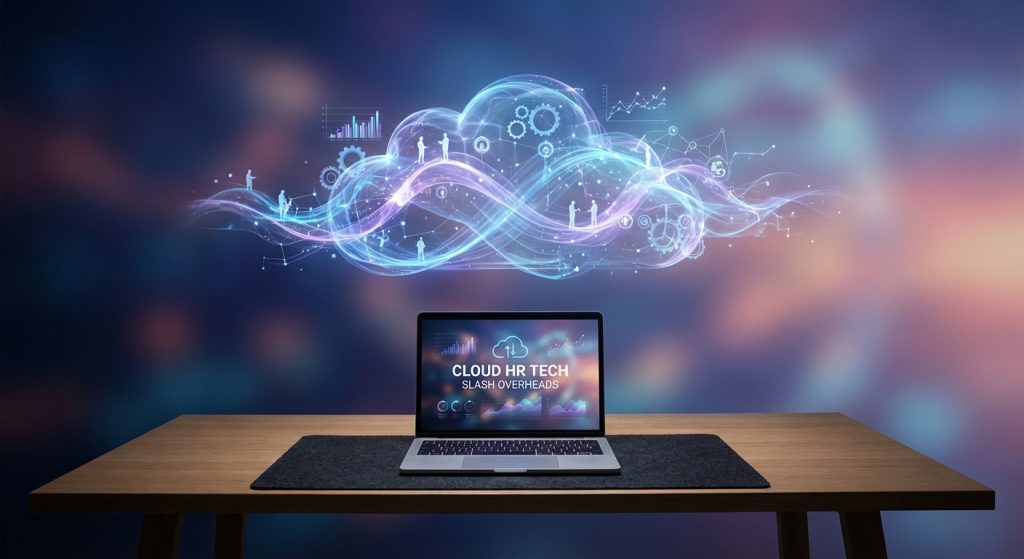
Cloud HR Tech: Slash Your IT Maintenance Overheads
Published on Tháng 2 3, 2026 by Admin
The Hidden Costs of On-Premise HR Infrastructure
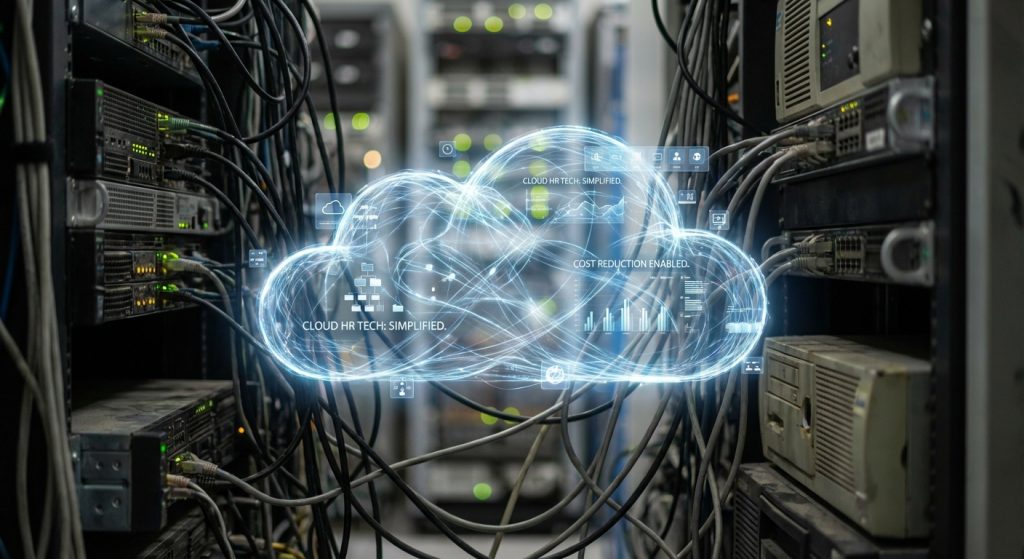
Traditional HR systems reside on your servers. This means your team bears the full responsibility for their upkeep. In addition, the total cost of ownership (TCO) extends far beyond the initial software license. You must account for hardware procurement, energy consumption, and physical data center space.Furthermore, the maintenance cycle is relentless. Your engineers spend valuable hours applying security patches, testing updates, and troubleshooting compatibility issues. An unexpected server failure can lead to costly downtime and emergency repairs. This reactive, break-fix model keeps your team tied to operational tasks instead of strategic projects.
The Never-Ending Upgrade Cycle
On-premise software vendors release major updates that often require significant planning and resources to deploy. These upgrades can feel like entirely new implementation projects. For example, they might necessitate new hardware or create conflicts with other systems in your environment. As a result, your team is perpetually caught in a cycle of planning, testing, and deploying, which detracts from innovation.
Specialized Staff and Security Burdens
Legacy HR systems can also require specialized knowledge to maintain. This creates a dependency on a few key individuals within your team. Moreover, securing on-premise systems that handle sensitive employee data is a high-stakes responsibility. Your team must manage firewalls, access controls, and data encryption, all while staying ahead of evolving cyber threats.
Shifting to the Cloud: A Paradigm Change for IT
Cloud-based HR technology, typically delivered as a Software-as-a-Service (SaaS) model, fundamentally changes this dynamic. The vendor assumes full responsibility for hosting and maintaining the application. Therefore, the entire hardware and software stack is no longer your problem. Your team’s role shifts from hands-on maintenance to strategic vendor management and integration.This transition represents a significant move away from managing physical assets. Instead, you manage a service, which brings predictability and simplicity to your operations.
From CapEx to Predictable OpEx
One of the most compelling financial arguments for cloud HR tech is the shift from Capital Expenditures (CapEx) to Operating Expenditures (OpEx). Instead of large, upfront investments in servers and licenses, you pay a predictable subscription fee. This model smooths out your budget and makes financial forecasting much simpler. Indeed, understanding the financial advantages of shifting CapEx to OpEx is crucial for modern IT budgeting.This subscription typically includes all maintenance, support, and future upgrades. As a result, you eliminate the risk of unexpected hardware failures and costly emergency fixes. The financial predictability is a significant win for both the IT department and the CFO.
Key Benefits Beyond Maintenance for IT Directors
While reduced maintenance is a primary driver, the advantages of cloud HR tech extend much further. These platforms are designed for the modern enterprise, offering benefits in security, scalability, and integration that legacy systems struggle to match. Ultimately, they empower your IT department to be more agile and responsive.
Unburdening Your Team with Automatic Updates
With a cloud HR solution, the vendor manages all updates and patches automatically. New features and security enhancements are rolled out seamlessly in the background. This process requires no effort from your IT team. Consequently, your engineers are freed from the tedious cycle of testing and deploying patches. They can reallocate that time to high-impact projects like improving network performance or developing new business applications.
By offloading routine maintenance, you empower your most valuable technical experts to focus on innovation and strategic growth, rather than just keeping the lights on.
Bolstering Security and Compliance Efforts
Top-tier cloud HR vendors invest heavily in security. They employ dedicated teams of cybersecurity experts and maintain certifications like SOC 2 and ISO 27001. Their entire business model depends on protecting sensitive client data. Therefore, they often provide a more robust security posture than what an individual company can achieve on its own.In addition, these vendors stay current with complex data privacy regulations like GDPR and CCPA. This offloads a significant compliance burden from your team, reducing organizational risk and ensuring that employee data is handled correctly.
Seamless Scalability for a Dynamic Workforce
Business needs change. Your company might expand rapidly or adjust its workforce to meet market demands. With on-premise systems, scaling up means procuring and provisioning new servers, a slow and expensive process. Cloud HR platforms, on the other hand, offer effortless scalability.You can add or remove users with a few clicks, and the system adjusts automatically. This agility is essential for supporting a dynamic organization, especially with the rise of hybrid and remote work models. It provides significant remote work infrastructure savings by eliminating the need for complex on-premise access solutions.
Simplified Integrations with Modern APIs
Modern cloud applications are built to communicate with each other. Cloud HR platforms typically come with robust Application Programming Interfaces (APIs). These APIs make it significantly easier to integrate HR data with other critical business systems, such as:
- Payroll processing platforms
- Enterprise Resource Planning (ERP) systems
- Identity and Access Management (IAM) tools
- Learning Management Systems (LMS)
This streamlined integration reduces data silos and manual data entry. It creates a more connected and efficient technology ecosystem across the entire organization.
Implementing the Transition: A Strategic Approach
Migrating from an on-premise system to the cloud requires careful planning. However, with a strategic approach, the process can be smooth and highly successful. The long-term benefits far outweigh the short-term effort of the transition.
Evaluating Cloud HR Vendors: Key IT Criteria
When choosing a vendor, your perspective as an IT Director is critical. Look beyond the flashy HR features and focus on the technical foundation. Key criteria should include:
- Security Certifications: Verify their compliance with standards like SOC 2, ISO 27001, and relevant data privacy laws.
- Service Level Agreement (SLA): Scrutinize the uptime guarantees, support response times, and penalties for non-performance.
- API Documentation and Support: Ensure their API is well-documented and that they provide technical support for integrations.
- Data Migration Strategy: Understand their process and tools for migrating your existing HR data securely and accurately.
- Disaster Recovery Plan: Review their data backup and disaster recovery protocols to ensure business continuity.
Managing the Migration Process
A successful migration involves close collaboration between IT, HR, and the chosen vendor. Firstly, a thorough data cleansing project is often necessary to ensure only accurate information is moved to the new system. Secondly, a phased rollout approach can help minimize disruption. For instance, you could start with a single module or department before a full-scale launch. Clear communication and user training are also vital for a smooth transition.
Conclusion: Reclaiming Your IT Department’s Focus
Migrating your HR technology to the cloud is more than just a software upgrade; it’s a strategic infrastructure decision. It directly tackles the mounting maintenance fees and hidden costs associated with legacy on-premise systems. By making this shift, you transform a significant cost center from a capital-intensive burden into a predictable and efficient operating expense.Ultimately, this move allows you to reclaim your IT team’s most valuable asset: their time. Instead of managing servers, they can manage services. Instead of patching software, they can drive innovation. This enables your department to become a more strategic partner to the business, focused on delivering value rather than just maintaining the status quo.
Frequently Asked Questions
Is our employee data really secure in the cloud?
Yes, for reputable cloud HR vendors, security is a top priority. They often have more resources dedicated to cybersecurity than a typical company, including advanced threat detection and 24/7 monitoring. Always verify a vendor’s security certifications (like SOC 2) and data encryption policies before signing a contract.
What is the typical timeline for migrating from an on-premise HR system to the cloud?
The timeline can vary depending on the complexity of your data and the scope of the project. A typical migration can take anywhere from three to nine months. Key factors include the amount of data to be cleansed and migrated, the number of integrations required, and the extent of user training needed.
How does a cloud HR platform impact our disaster recovery plan?
It simplifies it significantly. The cloud vendor is responsible for data backup, redundancy, and disaster recovery. You should review their DR plan to ensure it meets your business continuity requirements. This offloads a major operational burden from your IT team, as you no longer need to manage off-site backups or recovery hardware for your HR system.
