
Zero Waste Guide for Busy VN Urban Professionals
Published on Tháng 2 1, 2026 by Admin
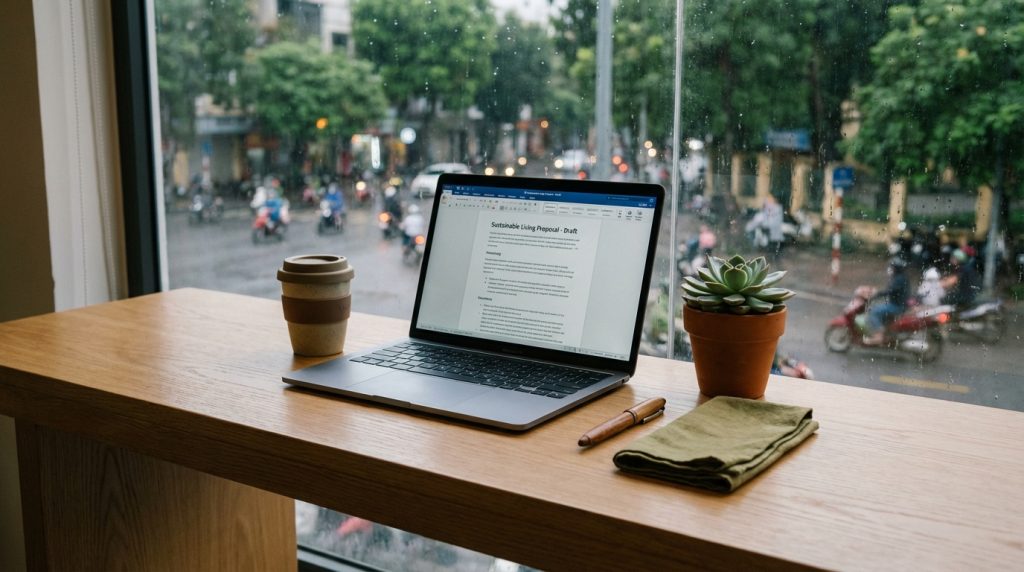
Living in a bustling Vietnamese city comes with incredible energy. However, it also comes with a lot of waste. For busy urban professionals, finding time to be sustainable can feel challenging. This article provides simple, actionable zero-waste living strategies. Consequently, you can reduce your environmental impact and save money without sacrificing your modern lifestyle.
We will explore practical steps tailored for life in Vietnam. From your kitchen to your daily coffee run, small changes make a big difference. Therefore, let’s begin your journey toward a cleaner, more intentional life.
Why Zero Waste Matters in Urban Vietnam
Vietnam’s cities are growing at a rapid pace. This growth brings opportunities, but it also creates environmental pressures. For example, plastic waste is a significant issue in urban centers like Ho Chi Minh City and Hanoi. As a result, many professionals are seeking ways to live more consciously.
Adopting a zero-waste lifestyle is not just about helping the planet. It also offers personal benefits. For instance, it can lead to significant financial savings. Moreover, it promotes a healthier, more minimalist way of life. This approach helps you focus on what truly matters.
The Financial and Personal Benefits
Firstly, reducing consumption directly translates to spending less. When you stop buying disposable items, you save money over time. This includes everything from plastic water bottles to single-use coffee cups. In addition, you become more mindful of your purchases.
Secondly, a zero-waste mindset encourages a focus on experiences over material possessions. This can lead to greater personal satisfaction and well-being. Ultimately, it simplifies your life, freeing up mental space and time for your career, family, and hobbies.
The 5 R’s: Your Zero Waste Framework
The zero-waste movement is built on a simple hierarchy known as the 5 R’s. These principles guide your decisions to minimize waste effectively. They are ordered by importance, starting with the most impactful action.
Refuse: The Most Powerful Step
The first and most important step is to refuse what you do not need. This means saying “no” to single-use items. For example, you can politely refuse plastic straws, flyers, and free promotional items. This single habit prevents waste from ever entering your life.
Reduce: Owning Less, Living More
Next, focus on reducing your consumption. Before buying something new, ask yourself if you truly need it. This applies to clothes, electronics, and home goods. Reducing what you own declutters your space and your mind. As a result, you appreciate what you have more.
Reuse: Giving Items a Second Life
Reusing involves choosing durable items over disposable ones. For instance, invest in a reusable water bottle, coffee cup, and shopping bags. You can also repair items instead of replacing them. Furthermore, buying second-hand is a fantastic way to give products a new life.
Recycle: An Important Last Resort
Recycling is what you do with items you cannot refuse, reduce, or reuse. It is important, but it also consumes energy and resources. Therefore, it should not be your first line of defense. Always check local guidelines to ensure you are recycling correctly in your area.
Rot: Composting in the City
Finally, “rot” refers to composting organic waste. This includes food scraps like vegetable peels and coffee grounds. Even in a small city apartment, you can use a compact composting system. Composting turns waste into nutrient-rich soil, completing the natural cycle.
Easy Zero Waste Swaps for Your Daily Routine
Starting your zero-waste journey can be simple. You do not need to change everything at once. Instead, focus on making small, manageable swaps in your daily life. These little changes add up to a significant impact over time.
In the Kitchen
Your kitchen is a great place to begin. Many single-use plastics originate here.
- Switch from plastic wrap to beeswax wraps or reusable silicone lids.
- Use cloth napkins instead of paper ones.
- Store food in glass containers instead of plastic bags.
- Buy loose produce to avoid plastic packaging.
In the Bathroom
The bathroom is another area with many easy wins.
- Swap your plastic toothbrush for a bamboo one.
- Use solid shampoo and conditioner bars to eliminate plastic bottles.
- Switch to a reusable safety razor from disposable ones.
- Use reusable cotton rounds for makeup removal.
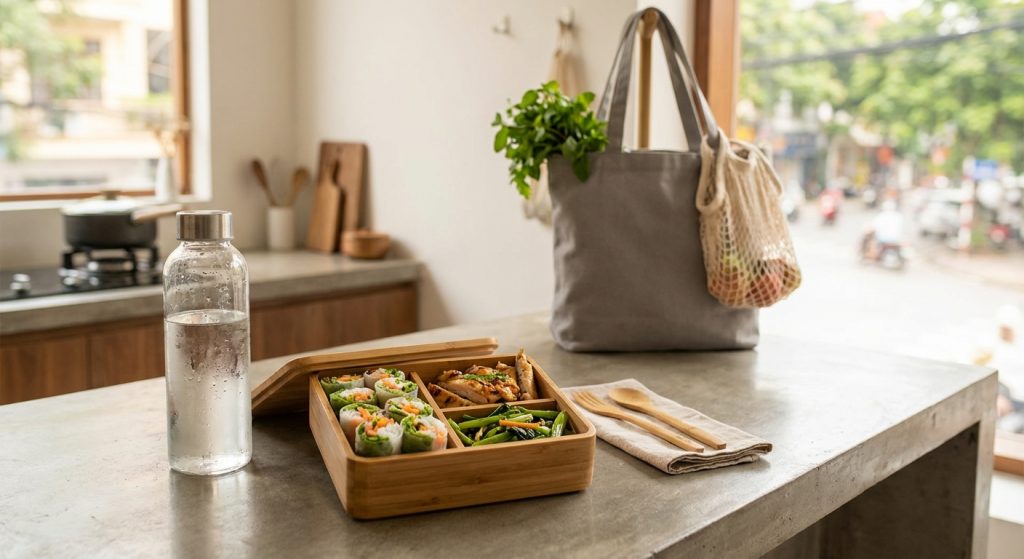
On the Go: Your Urban Survival Kit
As a busy professional, you are often out and about. A small “zero-waste kit” can help you avoid single-use items. Carry a tote bag with a few essentials. For example, include a reusable water bottle, a coffee cup, and a set of reusable cutlery. This simple preparation makes a huge difference.
Navigating Vietnamese Culture with a Zero Waste Mindset
Embracing zero waste in Vietnam means adapting to the local culture. Street food and coffee culture are integral parts of life, but they often involve disposables. However, you can still enjoy these experiences with a little planning.
When ordering a “cà phê sữa đá,” simply hand the vendor your reusable cup. Most are happy to accommodate. The same goes for street food. You can bring your own container for dishes like “cơm tấm” or “bún thịt nướng.” A polite request is usually all it takes. This shows respect for both the vendor and the environment.
Zero Waste and Your Wallet: The Financial Upside
A major benefit of the zero-waste lifestyle is the positive impact on your finances. By consciously consuming less, you naturally save more money. Every disposable item you refuse is an item you no longer have to pay for. This includes daily expenses like bottled water and take-away containers.
This mindset shift helps you clearly distinguish between needs vs. wants, a core principle of financial health. Over time, these small savings accumulate into a significant amount. Ultimately, these habits are key to learning how to thrive in high-cost cities on a budget, not just survive.
By investing in reusable items, you make a one-time purchase that replaces hundreds of future disposable buys. This is a smart financial move that also benefits the planet.
Frequently Asked Questions (FAQ)
Is starting a zero-waste lifestyle expensive?
No, it does not have to be. The key is to start with what you already have. Use existing jars for storage and old clothes as cleaning rags. Only buy new reusable items when you truly need to replace a disposable one. In the long run, you will save a significant amount of money.
Where can I find zero-waste products in Vietnam?
Many cities like HCMC, Hanoi, and Da Nang now have dedicated zero-waste or refill stores. In addition, local markets (“chợ”) are great places to buy package-free produce, grains, and spices. You can also find many products online through social media groups and e-commerce platforms.
How do I handle recycling in my apartment building?
This can be tricky. Firstly, check if your building has dedicated recycling bins. If not, you might need to find a local recycling center or a “ve chai” (scrap collector). It’s also important to reduce your recyclables in the first place by following the 5 R’s.
What if my family or colleagues don’t understand my choice?
Lead by example with patience and positivity. Don’t preach; just live your values. When people see the benefits, like saving money and living more simply, they often become curious. Share your journey when asked, and focus on the positive changes it brings to your life.
