
Power Your Business: A Guide to Rural Energy Grants
Published on Tháng 2 1, 2026 by Admin
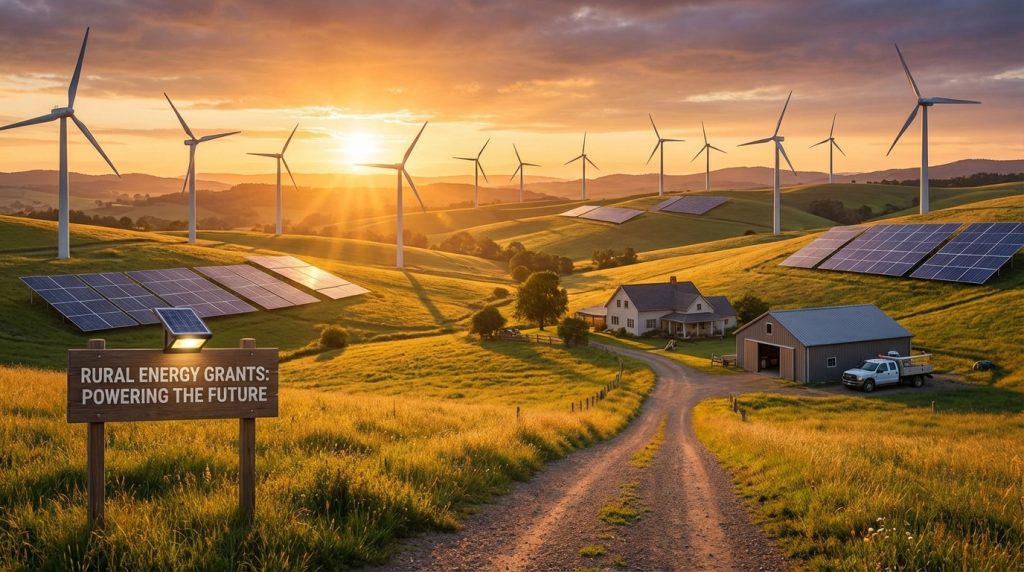
As a rural entrepreneur, you face unique challenges. High energy costs and unreliable power can directly impact your bottom line. However, a powerful solution is gaining momentum: renewable energy. More importantly, significant financial help is available to make this transition possible. This guide explores renewable energy grants specifically for small rural business owners.
These grants can dramatically lower the cost of installing systems like solar panels or wind turbines. As a result, you can achieve energy independence, reduce your operating expenses, and build a more resilient business for the future. We will cover where to find these funds and how to apply successfully.
Why Renewable Energy is a Game-Changer for Rural Businesses
Switching to renewable energy is more than just an environmental choice; it is a strategic business decision. For rural enterprises, the benefits are especially compelling. Firstly, you can gain control over your energy expenses. Volatile utility rates can make budgeting difficult, but generating your own power provides predictable, lower costs over the long term.
In addition, many rural areas experience less stable power grids. A renewable energy system, particularly one with battery storage, ensures your operations continue during outages. This reliability is crucial for farms, workshops, and any business that cannot afford downtime. Lastly, embracing green energy enhances your brand image. Customers increasingly prefer to support sustainable businesses, giving you a competitive edge.
Understanding the Landscape of Renewable Energy Grants
Before diving in, it is important to understand what a grant is. A grant is a sum of money awarded by a government agency, foundation, or corporation that you do not have to repay. This makes it fundamentally different from a loan. Consequently, grants are highly competitive but incredibly valuable for funding large projects.
Funding for renewable energy projects typically comes from three main sources:
- Federal Government: Large-scale programs offered nationwide.
- State Governments: Programs tailored to the specific needs and resources of a state.
- Utility Companies & Non-profits: Rebates, incentives, and smaller grants to encourage local adoption.
Navigating these options is the first step toward securing the funding you need. Therefore, understanding each source is essential.
Key Federal Programs for Rural Entrepreneurs
The most significant source of federal funding for rural businesses is the U.S. Department of Agriculture (USDA). Its programs are specifically designed to support the rural economy. For renewable energy, one program stands out above all others.
The USDA Rural Energy for America Program (REAP)
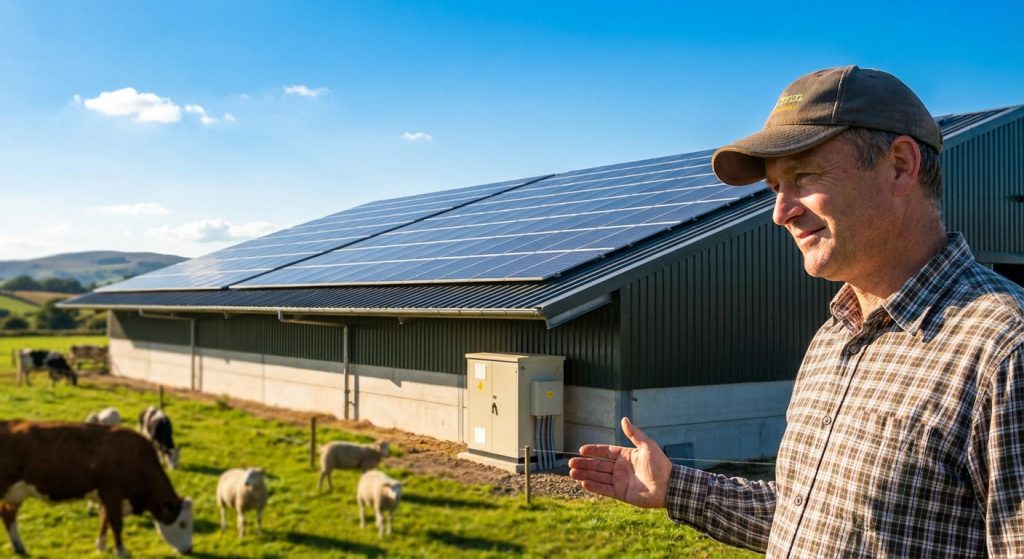
The Rural Energy for America Program, or REAP, is a cornerstone of support for rural businesses. It provides grant funding and loan guarantees for renewable energy systems and energy efficiency improvements. This program directly helps agricultural producers and rural small businesses lower their energy costs.
REAP grants can cover a substantial portion of your project costs. For example, funds can be used for the purchase and installation of:
- Solar panel arrays
- Small wind turbine systems
- Biomass or bioenergy projects
- Geothermal heat pumps
- Energy-efficient lighting, insulation, or HVAC systems
Eligibility is generally restricted to businesses located in designated rural areas. Both agricultural producers with at least 50% of their gross income from farming and other types of small businesses can apply. Because this program is so popular, preparing a strong application is critical.
Finding and Applying for State and Local Grants
While federal programs like REAP are powerful, they are not your only option. In fact, many states offer their own robust grant and incentive programs. These are often easier to apply for and may be less competitive than their federal counterparts. Your state’s energy office or department of agriculture is the best place to start your search.
Furthermore, do not overlook your local utility provider. Many electric cooperatives and utilities offer rebates for installing solar panels or making energy-efficient upgrades. These rebates can often be combined with state and federal grants, a practice known as “stacking,” to maximize your savings.
How to Prepare a Winning Grant Application
A successful grant application requires careful preparation and attention to detail. It is more than just filling out forms; you are making a case for your project. A systematic approach will greatly increase your chances of success. A strong application is key, and you can learn more about how to effectively secure and utilize business grants and subsidies in our detailed guide.
Step 1: Meticulously Verify Your Eligibility
Before you write a single word, read the program guidelines thoroughly. Confirm that your business type, location, and project all meet the specific requirements. There is nothing worse than spending weeks on an application only to be disqualified on a technicality. Pay close attention to deadlines and required documents.
Step 2: Gather All Necessary Documentation
Most grant applications require a significant amount of paperwork. You will likely need to provide business plans, recent tax returns, and current financial statements. In addition, many programs require a professional energy audit to show how the proposed project will save energy or generate power. Start gathering these documents early.
Step 3: Secure Detailed Project Quotes
You cannot simply estimate your project’s cost. Grant agencies require firm, detailed quotes from qualified installers. We recommend getting at least two or three quotes. This not only shows due diligence but also helps you find the best value. The quote should break down the cost of equipment, labor, and any necessary permits.
Step 4: Write a Compelling Project Narrative
Your application narrative is your chance to tell your story. Explain why you need this grant and how it will benefit your business. Use concrete numbers to describe your current energy costs and project the savings. Moreover, describe the broader impact on your community, such as job retention or environmental benefits. A clear and persuasive story can set your application apart.
Beyond Grants: Other Financial Incentives
Grants are fantastic, but they are just one piece of the financial puzzle. You should explore several other incentives that can make your renewable energy project even more affordable. These programs can often be used in conjunction with grant funding.
The federal Investment Tax Credit (ITC), for instance, allows you to deduct a percentage of the cost of your solar energy system from your federal taxes. This is a dollar-for-dollar reduction in the taxes you owe, making it extremely valuable. In addition, many states offer their own tax credits.
Finally, consider accelerated depreciation. Business equipment typically depreciates over several years, but special tax rules often allow you to deduct the cost of solar equipment much faster. This can provide a significant tax benefit in the first year of operation. Properly managing these new systems can also be part of a broader strategy to manage farm costs with digital tools.
Frequently Asked Questions (FAQ)
How long does the grant application process take?
The timeline varies significantly by program. Federal grants like REAP can have long application windows and take several months for review. State and local grants may be faster. As a result, you should plan for a process that can take anywhere from three to nine months from start to finish.
Do I need a perfect credit score to get a grant?
Generally, grants are not based on credit scores since they are not loans. However, the reviewing agency will want to see that your business is financially viable and likely to remain in operation. Therefore, having healthy business financials is more important than a personal credit score.
Can I apply for multiple grants at once?
Yes, in most cases, you can. It is very common to “stack” funding from different sources. For example, you might receive a federal REAP grant, a state grant, and a rebate from your utility company for the same project. Always read the rules for each program to ensure they allow for combined funding.
What are the most common mistakes on applications?
The most common mistakes are simple ones. These include missing deadlines, submitting incomplete applications, and failing to provide all required documentation. Another major error is not clearly explaining the project’s financial and community benefits. Always have someone else proofread your application before you submit it.
Conclusion: Taking the First Step
For rural entrepreneurs, renewable energy represents a path toward lower costs, greater stability, and a stronger brand. While the initial investment can seem high, a wealth of grants and incentives exists to bring these projects within reach. From the federal REAP program to state and local initiatives, financial assistance is available.
The key to success is preparation. By understanding the options, gathering your documents, and writing a compelling proposal, you can secure the funding needed to power your business’s future. Therefore, your journey toward energy independence should begin today with research and planning.
