Operational Costs: The Forgotten Factor When Buying New Equipment
Published on Tháng 12 14, 2025 by Admin
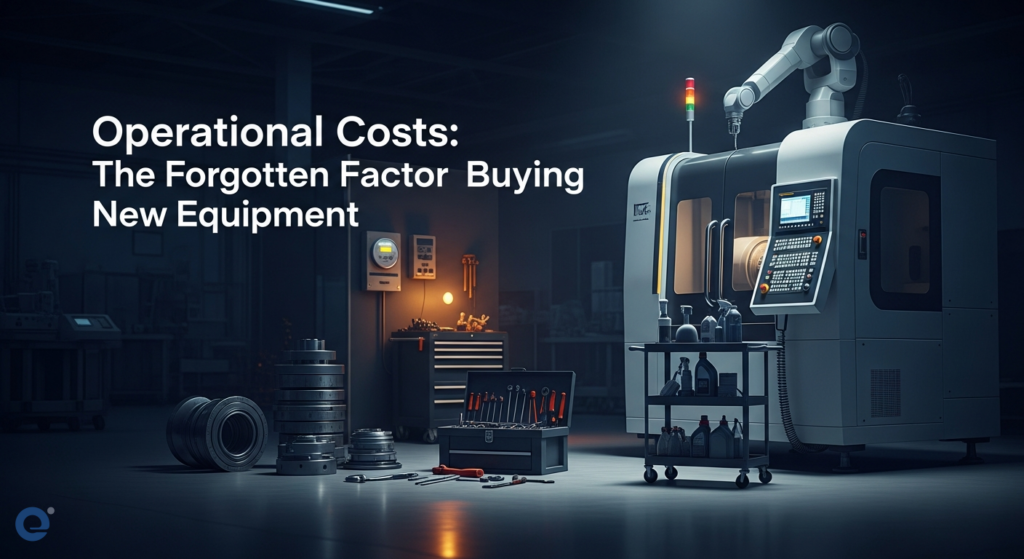
When purchasing major assets like appliances, vehicles, or industrial equipment, the initial price tag often steals the spotlight. However, focusing solely on the purchase price can lead to significant financial surprises down the line. Operational costs, the often-overlooked expenses incurred throughout an item’s lifecycle, can dramatically inflate your total expenditure. Therefore, understanding and factoring these costs into your decision-making process is crucial for long-term financial health and business sustainability.
This article will delve into why operational costs are so frequently forgotten and what these costs entail. We will explore various categories of these hidden expenses and provide actionable strategies to mitigate them. By the end, you’ll be equipped to make more informed purchasing decisions that benefit your bottom line.
Why Are Operational Costs So Often Ignored?
Several factors contribute to the oversight of operational costs. Firstly, the immediate impact of the purchase price is tangible and requires immediate budgeting. Operational costs, conversely, are spread out over time. They can also seem less predictable, making them harder to quantify upfront.
Furthermore, the allure of new technology or features can overshadow practical considerations. Sales pitches often highlight performance and innovation, while ongoing expenses are downplayed or omitted. This creates a gap in a buyer’s understanding of the true cost of ownership.
Additionally, many buyers lack a structured framework for evaluating these long-term expenses. Without a clear method, it’s easy to revert to the simpler metric of upfront cost. Consequently, businesses and individuals can find themselves burdened by unexpected expenditures that strain their finances.
Understanding the Spectrum of Operational Costs
Operational costs encompass a wide range of expenses beyond the initial purchase. They can be broadly categorized into several key areas. Understanding these areas is the first step towards effective cost management.
Maintenance and Repairs
This is perhaps the most significant and frequently underestimated operational cost. All equipment requires some level of maintenance to function optimally. This includes routine servicing, part replacements, and unexpected repairs.
For instance, medical equipment in low-income countries often becomes non-operational due to a lack of maintenance . This highlights the critical role maintenance plays in equipment longevity and functionality.
Consider a food trailer. Annual maintenance costs can vary significantly, but they are a constant factor. These can include everything from regular engine checks to specialized equipment servicing. Neglecting this can lead to more costly breakdowns later.
For general equipment like computers, planned obsolescence can shorten their useful life. While a laptop might have a theoretical lifespan of five years, this can be cut significantly . Planned obsolescence is an intentional limit to a product’s usefulness.
Energy Consumption
The amount of energy a piece of equipment consumes directly impacts your utility bills. This is particularly relevant for appliances, vehicles, and industrial machinery. More energy-efficient models often have a higher upfront cost but can lead to substantial savings over their lifespan.
For example, choosing a highly energy-efficient refrigerator might cost more initially than a less efficient model. However, the cumulative savings on electricity bills over several years can easily offset this difference.
Similarly, when purchasing vehicles, fuel efficiency is a prime example of an energy-related operational cost. A vehicle with lower miles per gallon will cost significantly more to operate over its lifetime, especially with fluctuating fuel prices.
Consumables and Supplies
Many pieces of equipment require ongoing purchases of consumables or supplies to operate. This can include everything from printer ink and paper to specialized fluids for machinery or raw materials for manufacturing equipment.
For example, a commercial printer might seem like a reasonable purchase, but the ongoing cost of ink cartridges and paper can add up quickly. Businesses need to factor these recurring expenses into their budget.
In industrial settings, the cost of raw materials or specialized lubricants can be a significant operational expense. These costs, while tied to production, are directly influenced by the equipment’s efficiency and requirements.
Software and Licensing Fees
In today’s digital age, many major equipment purchases come with associated software or licensing fees. This is common for advanced machinery, vehicles with sophisticated onboard computers, and even some high-end appliances.
These fees can be one-time purchases, annual subscriptions, or usage-based charges. They are crucial to consider, as they can represent a substantial ongoing commitment. Outdated inventory tracking systems, for instance, can inflate operational costs due to inefficiencies .
Downtime and Lost Productivity
When equipment breaks down or requires maintenance, it leads to downtime. This downtime translates directly into lost productivity and, consequently, lost revenue. This is a critical operational cost, especially for businesses that rely heavily on their equipment.
Imagine a manufacturing plant where a key machine is out of service for a week. The production halt results in missed orders, delayed deliveries, and potential loss of customer goodwill. The cost of this downtime can far exceed the repair bill itself.
This is why choosing reliable equipment with good support and maintenance plans is so important. It’s an investment in operational continuity.

Training and Labor Costs
Operating and maintaining complex equipment often requires specialized training for staff. The cost of this training, as well as the ongoing labor required for operation and maintenance, must be considered.
Some equipment may require highly skilled technicians, increasing labor costs. Even seemingly simple equipment might necessitate training to ensure efficient and safe operation. Failing to invest properly in employees, including training, can lead to high turnover, which is itself a significant hidden cost .
Insurance and Taxes
Depending on the type and value of the equipment, insurance premiums and property taxes can add to the ongoing operational expenses. These costs are often overlooked until they appear on a bill.
For example, a fleet of commercial vehicles will incur significant insurance costs. Similarly, large industrial machinery may be subject to property taxes that must be budgeted for annually.
Strategies for Mitigating Operational Costs
While operational costs are inevitable, there are effective strategies to minimize their impact. Proactive planning and informed decision-making are key.
Conduct Thorough Research
Before making any major purchase, invest time in researching the total cost of ownership. Look beyond the sticker price and investigate the expected lifespan, energy efficiency, maintenance requirements, and availability of spare parts.
Speak to current users of the equipment or consult with industry experts. Online reviews and forums can also provide valuable insights into common operational issues and their associated costs.
Prioritize Energy Efficiency
When comparing options, always consider energy efficiency ratings. While more efficient models may have a higher initial cost, the long-term savings on energy bills can be substantial. Look for Energy Star certifications or similar labels.
This principle applies to everything from home appliances to industrial machinery. Making energy-efficient choices is not only good for your budget but also for the environment.
Invest in Quality and Durability
Opting for high-quality, durable equipment can significantly reduce maintenance and repair costs over time. Cheaper alternatives might seem appealing initially but often require more frequent repairs and have a shorter lifespan.
Consider the total cost of ownership, not just the purchase price. Sometimes, spending more upfront on a reliable product can save you money in the long run. This is a core concept similar to re-evaluating an expensive item before purchase, emphasizing value over immediate cost.
Develop a Robust Maintenance Plan
Implement a proactive maintenance schedule for all your equipment. Regular servicing and preventative care can catch minor issues before they become major, costly problems. This also helps extend the equipment’s operational life.
For critical equipment, consider maintenance contracts with manufacturers or third-party providers. These contracts can offer predictable costs and ensure timely servicing.
Explore Leasing or Renting Options
For certain types of equipment, especially those with rapid technological advancements or infrequent usage, leasing or renting might be more cost-effective than purchasing outright. This transfers some of the ownership costs, like maintenance and depreciation, to the leasing company.
This strategy can be particularly beneficial for businesses that need specialized equipment for short-term projects. It allows access to the latest technology without the burden of long-term ownership costs.
Leverage Technology for Efficiency
Modern software solutions can help manage and track operational costs more effectively. Inventory management systems, for example, can prevent overstocking and reduce waste. Warehouse management systems can optimize operations and reduce labor costs.
These tools can provide valuable data insights, allowing you to identify areas where costs are escalating and implement targeted solutions. As highlighted by SkuNexus, forgotten factors in operations can lead to skyrocketing costs .
Case Study: The Food Trailer Dilemma
Consider a small business owner looking to purchase a food trailer. The trailer itself might cost $30,000. However, the operational costs don’t stop there.
- Generator Fuel: If the trailer relies on a generator, fuel costs will be ongoing.
- Propane: For cooking equipment, propane refills are a recurring expense.
- Vehicle Maintenance: The truck towing the trailer also needs regular maintenance and fuel.
- Cleaning Supplies: Maintaining hygiene in a food environment is paramount.
- Repairs: Equipment inside the trailer can break down.
- Permits and Licenses: Annual renewals can add up.
Ignoring these factors could mean the initial $30,000 investment balloons to $40,000 or more in the first year alone, depending on usage and unforeseen issues.
Frequently Asked Questions
What are the most common operational costs for vehicles?
The most common operational costs for vehicles include fuel, maintenance (oil changes, tire rotations, brake replacements), insurance, registration fees, and repairs. For commercial vehicles, additional costs like driver salaries and specialized equipment can also apply.
How can I estimate the operational costs of industrial equipment?
To estimate industrial equipment operational costs, research energy consumption (kW usage), typical maintenance schedules and costs (preventative vs. reactive), expected lifespan, consumable requirements (oils, filters, raw materials), and potential downtime costs. Consulting with manufacturers and industry experts is highly recommended.
Is it always cheaper to buy used equipment to save on operational costs?
Not necessarily. While used equipment has a lower upfront cost, it may have higher maintenance and repair costs due to its age and wear. It’s crucial to assess the condition of used equipment and factor in potential repair expenses when comparing it to new, more efficient options. You can learn more about revealing the true cost versus price for any purchase.
How do software updates affect operational costs?
Software updates can introduce new features, improve security, and enhance performance, potentially reducing long-term operational costs. However, some updates may require new hardware or introduce compatibility issues, leading to additional expenses or training needs. For businesses reliant on specific software, continuous subscription fees are also a direct operational cost.
Total Cost of Ownership (TCO) Calculator | Az900 course part 24
Conclusion
The initial purchase price of equipment is merely the tip of the iceberg. Operational costs, though often hidden, represent a significant portion of the total expense over an asset’s lifetime. By diligently researching, prioritizing efficiency, investing in quality, and implementing robust maintenance plans, buyers can effectively mitigate these often-forgotten expenses.
Making informed decisions that account for the full spectrum of costs will lead to greater financial predictability, improved efficiency, and ultimately, a healthier bottom line for any consumer or business making a major purchase. Remember, the cheapest option upfront is rarely the most economical in the long run.