
Streamline Your Craft Supply Chain for More Profit
Published on Tháng 1 31, 2026 by Admin

As an artisanal producer, your passion is creating unique, high-quality products. However, managing the journey from raw material to a happy customer can be complex. An inefficient supply chain can silently eat into your profits and steal time from your craft. Therefore, streamlining your operations is not just a business task; it’s a way to protect your creative energy.
This guide offers practical steps to optimize your supply chain. As a result, you can reduce costs, improve customer satisfaction, and grow your brand sustainably. We will explore everything from sourcing materials to shipping your final product.
Why a Streamlined Supply Chain Matters for Artisans
A smooth supply chain is the backbone of any successful craft brand. It directly impacts your bottom line and your ability to focus on what you do best. In short, getting it right is crucial for long-term success.
Boosts Profitability
Every inefficiency in your process costs money. For example, disorganized inventory can lead to over-ordering materials or losing finished products. Moreover, inefficient shipping methods increase your expenses. By optimizing each step, you can significantly cut these hidden costs. Consequently, your profit margins will improve.
Enhances Customer Satisfaction
Customers today expect fast and reliable service. A streamlined supply chain ensures that you can fulfill orders accurately and on time. This leads to positive reviews and repeat business. On the other hand, delays and mistakes can damage your brand’s reputation, which is hard to rebuild.
Frees Up Your Creative Time
How much time do you spend chasing down suppliers or dealing with shipping issues? An organized system automates and simplifies these tasks. As a result, you reclaim valuable hours. This allows you to focus on developing new products and perfecting your craft, which is the heart of your business.
Mapping Your Current Supply Chain: The First Step
Before you can improve your supply chain, you must first understand it. This means mapping out every single step from start to finish. Therefore, take some time to visualize the entire journey of your product.
Sourcing Raw Materials
Firstly, list all the materials you need to create your products. Identify who your suppliers are and how you get these materials. Consider their reliability, cost, and lead times. This initial stage is foundational to everything that follows.
Production and Crafting
Next, document your creation process. How long does it take to make each item? Are there any bottlenecks that slow you down? Understanding your production capacity is essential for managing orders and setting realistic customer expectations.
Inventory and Warehousing
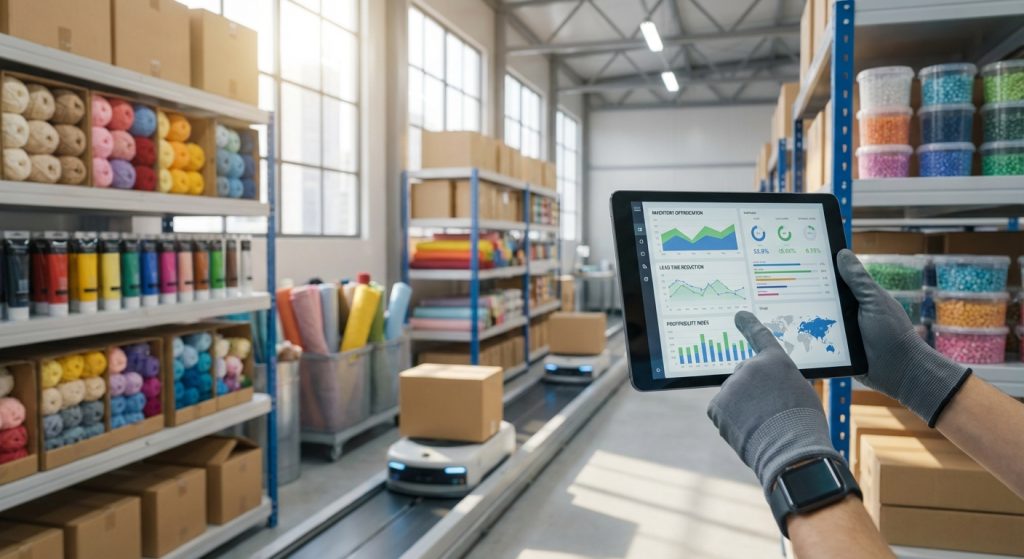
Where do you store your raw materials and finished goods? A messy storage space can lead to damage, loss, or wasted time searching for items. For instance, you might be holding onto too much stock, which ties up your cash.
Packaging and Shipping
Finally, look at how you pack and ship your orders. What materials do you use? Which carriers handle your deliveries? This final step is your last touchpoint with the customer, making it incredibly important for their overall experience.
Key Strategies to Optimize Your Operations
Once you have a clear map of your supply chain, you can identify areas for improvement. Implementing even small changes can have a big impact. Here are some effective strategies to get you started.
Build Strong Relationships with Local Suppliers
Working with local suppliers offers numerous advantages. Firstly, it often means faster delivery times and lower shipping costs. In addition, building a personal relationship can lead to better service and even preferential treatment. You can collaborate on quality control and ensure a steady supply of materials. This fosters a sense of community and adds a powerful story to your brand.
Implement Smart Inventory Management
Holding too much stock ties up your money, while holding too little can lead to stockouts and lost sales. The key is finding the right balance. For example, a “just-in-time” (JIT) approach involves ordering materials only as you need them. This reduces storage costs but requires reliable suppliers.
Alternatively, you can use simple tools like spreadsheets or dedicated software to track stock levels. This helps you forecast demand and avoid over-ordering. Ultimately, a well-managed inventory is critical for financial health. You can learn more about smart inventory management for Vietnamese fashion retailers, as many principles apply to all craft businesses.
Simplify and Standardize Your Production
Artisanal does not have to mean inefficient. You can standardize parts of your process without losing the handmade touch. For instance, try batching similar tasks together. You could spend one day cutting all your fabric and the next day sewing. This “assembly line” approach for one person can dramatically increase your output. Moreover, creating templates or guides can ensure consistency across your products.
Rethink Your Packaging and Shipping
Packaging is a crucial part of your brand experience, but it can also be a significant expense. Look for opportunities to buy packaging materials in bulk to reduce per-unit costs. In addition, consider using sustainable or lightweight materials to save on shipping fees. Partnering with a reliable shipping provider is also essential. For brands looking to sell internationally, understanding your options is key. Exploring cheap logistics solutions for cross-border ecommerce firms can provide valuable insights into managing costs effectively.
Leveraging Technology for a Smoother Workflow
Technology can be a powerful ally for any small business owner. You don’t need complex, expensive systems to make a difference. Simple and affordable tools can automate tasks and provide valuable insights.
Even basic spreadsheets can transform your operations by helping you track orders, inventory, and supplier information in one central place.
Using Simple Software for Order Management
As your brand grows, managing orders via email or direct messages becomes chaotic. A dedicated order management system can consolidate all your orders in one place. These tools help you track order status, manage customer information, and prevent anything from slipping through the cracks. Many e-commerce platforms have this functionality built-in.
E-commerce Platforms with Built-in Tools
Platforms like Shopify, Etsy, or Squarespace offer more than just a storefront. They often include integrated tools for inventory management, shipping label creation, and basic analytics. By using these features, you can streamline several parts of your supply chain within a single system. Consequently, you save time and reduce the chance of errors.
Communication Tools for Supplier Coordination
Clear and timely communication with your suppliers is vital. Instead of relying on scattered emails, consider using a shared platform like Trello or even a dedicated WhatsApp group. This ensures that all communication is centralized and easily accessible. As a result, you can quickly confirm orders, track shipments, and resolve issues.
Measuring Success: How to Know It’s Working
Implementing changes is only half the battle. You also need to track your progress to see what’s working and what isn’t. Therefore, establishing key metrics is essential for continuous improvement.
Tracking Key Metrics
Start by tracking a few simple but important numbers. These might include:
- Order Fulfillment Time: How long does it take from when an order is placed to when it’s shipped?
- Cost Per Unit: What is the total cost of materials and labor for each product you make?
- Shipping Costs: Are your shipping expenses decreasing as a percentage of your revenue?
- Inventory Turnover: How quickly are you selling and replacing your stock?
Monitoring these metrics over time will show you the real impact of your streamlining efforts.
Gathering Customer Feedback
Your customers are a valuable source of information. Pay close attention to their feedback, especially regarding shipping times and product quality. For example, if you receive comments about damaged items, you may need to improve your packaging. Positive feedback, on the other hand, confirms that your changes are having the desired effect.
Frequently Asked Questions
What’s the biggest supply chain mistake small craft brands make?
The most common mistake is poor inventory management. Many artisans either buy too many materials, tying up cash, or not enough, leading to stockouts and missed sales. Therefore, tracking your inventory closely is the first and most critical step to take.
How can I reduce shipping costs without sacrificing quality?
Firstly, negotiate rates with multiple carriers. Secondly, consider buying packaging supplies in bulk to lower per-item costs. In addition, using lightweight packaging materials can make a significant difference. Finally, offering local pickup can eliminate shipping costs entirely for nearby customers.
Do I need expensive software to manage my supply chain?
Absolutely not. While dedicated software can be helpful, you can start with simple tools. For example, a well-organized spreadsheet can track inventory, suppliers, and orders effectively. The key is to have a system, not necessarily an expensive one.
How often should I review my supply chain processes?
It’s a good practice to review your entire supply chain at least once or twice a year. However, you should monitor key metrics like shipping costs and fulfillment times more frequently, perhaps on a monthly basis. This allows you to catch and address small problems before they become big ones.
Conclusion: Your Path to a More Efficient Brand
Streamlining your supply chain is an ongoing process, not a one-time fix. By continuously mapping, optimizing, and measuring your operations, you build a more resilient and profitable business. It empowers you to handle growth, delight your customers, and, most importantly, dedicate more time to the creative work you love.
Start with one small change today. For instance, organize your workspace or contact a new local supplier. Each step you take towards a more efficient supply chain is a step towards a stronger, more successful artisanal brand.
