
Slash Your Vietnam Factory’s Soaring Electricity Bill
Published on Tháng 1 31, 2026 by Admin
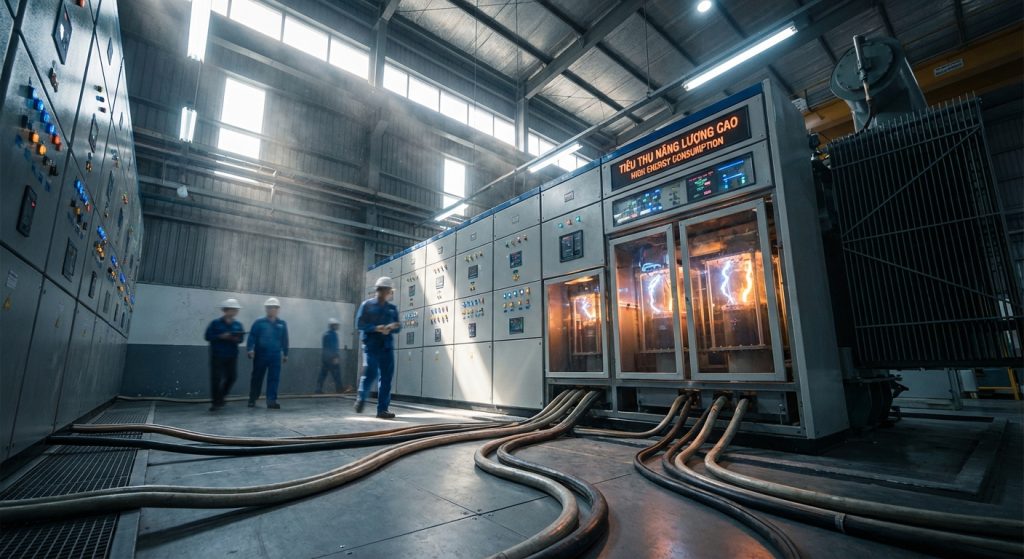
Why Energy Efficiency is Critical for Vietnamese Factories
Vietnam’s industrial sector is growing rapidly. This growth, however, places immense strain on the national power grid. Therefore, electricity prices are a major concern for manufacturers. For energy-intensive industries like textiles, steel, or electronics, power can represent a huge portion of operational costs.Reducing this cost is not just about saving money. In addition, it enhances your operational resilience against future price hikes or power shortages. A factory that uses less energy is more competitive. Moreover, it builds a stronger brand reputation as a sustainable and responsible business. Ultimately, efficient energy use is a key part of a successful lean operations strategy.
The First Step: Conducting a Professional Energy Audit
You cannot manage what you do not measure. Therefore, the first step in any cost-reduction plan is a thorough energy audit. This process involves a detailed analysis of your factory’s energy consumption patterns. It identifies where, when, and how you use electricity.An audit provides the critical data needed to make informed decisions. It moves you from guessing to knowing. You can hire a professional energy services company (ESCO) to perform this audit. Their experts use specialized tools to pinpoint exact areas of waste.
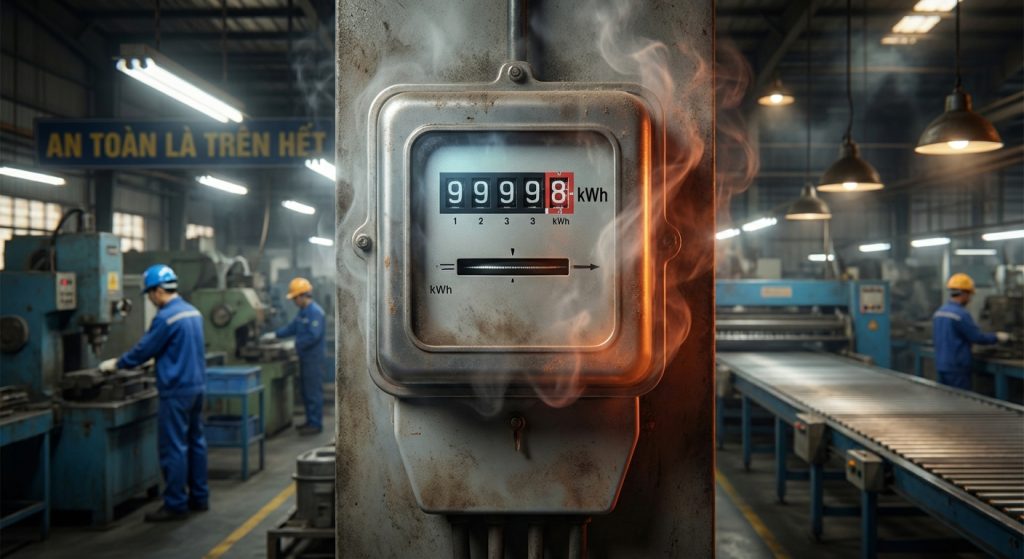
What an Audit Reveals
A professional energy audit will give you a clear and actionable report. Firstly, it breaks down energy use by area, such as production lines, HVAC, lighting, and compressed air systems. Secondly, it identifies specific equipment that is inefficient or outdated.Furthermore, the report will highlight operational inefficiencies. For example, it might show machines left running during non-productive hours. Most importantly, a good audit provides a prioritized list of recommendations. It will estimate the cost and potential savings for each action, allowing you to focus on the highest-impact initiatives first.
Immediate Savings: Low-Cost and No-Cost Strategies
After your audit, you can implement several quick wins. These strategies require minimal to no capital investment. However, they can produce significant savings through improved habits and maintenance. They are the foundation of a more cost-conscious culture.
Optimize Your Machinery and Maintenance
Simple maintenance can have a massive impact on energy use. In fact, poorly maintained equipment can consume much more power than necessary. You should create a strict preventive maintenance schedule.Here are some key actions to take:
- Fix Compressed Air Leaks: Compressed air is often called the fourth utility, and it is very expensive to produce. Leaks are a common source of massive energy waste. Regularly inspect pipes, hoses, and fittings for leaks and repair them immediately.
- Clean HVAC Coils and Filters: Dirty coils and clogged filters make your heating, ventilation, and air conditioning (HVAC) system work much harder. This directly increases electricity consumption.
- Lubricate Moving Parts: Proper lubrication of motors and conveyor belts reduces friction. Less friction means less energy is needed to operate the machinery.
Smart Scheduling and Operational Discipline
How and when you operate can be just as important as the equipment you use. Therefore, instilling operational discipline among your staff is a powerful, zero-cost tool. Focus on eliminating idle time and optimizing production schedules.Firstly, train all staff to turn off machines, lights, and computers when not in use. This simple behavioral change can add up to substantial savings. Secondly, analyze your production schedule. If possible, shift energy-intensive processes to off-peak hours when electricity tariffs may be lower. This strategy, known as load shifting, can directly reduce your bill without changing your output. For more ideas, explore our guide on the practical management of energy and utility costs.
Strategic Investments for Long-Term Reduction
While low-cost measures are effective, major savings often require capital investment. These upgrades pay for themselves over time through lower electricity bills. As a result, they offer a strong return on investment (ROI) and future-proof your factory against rising energy prices.
Upgrade to High-Efficiency Motors and VFDs
Electric motors can account for over 60% of a factory’s electricity consumption. Old, inefficient motors are a constant drain on your budget. Upgrading to modern, high-efficiency motors can reduce their energy use by several percent.In addition, you should install Variable Frequency Drives (VFDs) on motors used for pumps, fans, and conveyors. A VFD adjusts a motor’s speed to match the required load. Instead of running at 100% power all the time, the motor only uses the energy it needs. The savings from VFDs can be dramatic, often providing a payback period of less than two years.
Modernize Your Lighting and HVAC Systems
Lighting is another area ripe for savings. If your factory still uses old fluorescent or high-pressure sodium lamps, you are wasting money. Switching to LED lighting is one of the easiest and most effective upgrades. LEDs use up to 75% less energy and last much longer, which also reduces maintenance costs.Similarly, your HVAC system is a major energy consumer. For older factories, replacing an outdated chiller or boiler with a modern, high-efficiency unit can slash electricity usage. While the upfront cost is high, the long-term savings are significant, especially in Vietnam’s warm climate where cooling is essential year-round.
Investing in Rooftop Solar Power
Vietnam has excellent potential for solar energy. Installing a rooftop solar panel system is a powerful strategy for large factories. It allows you to generate your own clean electricity directly on-site. This reduces your reliance on the grid and protects you from price volatility.The cost of solar panels has decreased significantly over the years. Moreover, various financing models, like a Power Purchase Agreement (PPA), allow you to install a system with little to no upfront capital. With a PPA, a third-party developer installs and maintains the system, and you simply buy the generated power at a fixed, often lower, rate. This makes the business case for solar very compelling.
Advanced Solutions for Maximum Control
To reach the next level of energy efficiency, you need sophisticated control systems. These technologies provide real-time data and automated control over your facility’s energy consumption.
Implementing an Energy Management System (EMS)
An Energy Management System (EMS) is a centralized, computer-based platform used to monitor and optimize energy performance. It connects to meters and sensors throughout your factory. As a result, it provides a detailed, real-time view of your energy landscape.An EMS can automate many of the strategies discussed earlier. For example, it can automatically dim lights in unused areas or adjust HVAC settings based on occupancy and time of day. It provides continuous monitoring, helping you sustain savings and immediately detect new problems. This data-driven approach is the key to long-term, continuous improvement in your factory’s energy performance.
Frequently Asked Questions
What is the single most effective way to start saving electricity?
The most effective first step is always a comprehensive energy audit. It provides the data you need to identify the biggest sources of waste and prioritize your actions for the best return on investment. Without an audit, you are just guessing.
How can I get my employees to care about saving energy?
Employee buy-in is crucial. Start by raising awareness through training and regular communication. Show them the data from your audit. In addition, consider creating an incentive program that rewards teams or departments for meeting energy-saving targets. Make it a part of your company culture.
Is rooftop solar a good investment for factories in Vietnam?
Yes, absolutely. Vietnam has high solar irradiation, making it ideal for solar power generation. With decreasing panel costs and financing options like PPAs, the financial case is very strong. It provides predictable energy costs and improves your company’s environmental credentials.
Are VFDs (Variable Frequency Drives) really worth the cost?
For most applications involving motors that run at variable loads (like pumps, fans, and compressors), VFDs offer one of the best ROIs of any energy efficiency investment. The energy savings are often substantial, leading to a quick payback period, frequently under two years.
