
Outsourcing’s Pace: Growth vs. Worker Wellbeing
Published on Tháng 1 29, 2026 by Admin
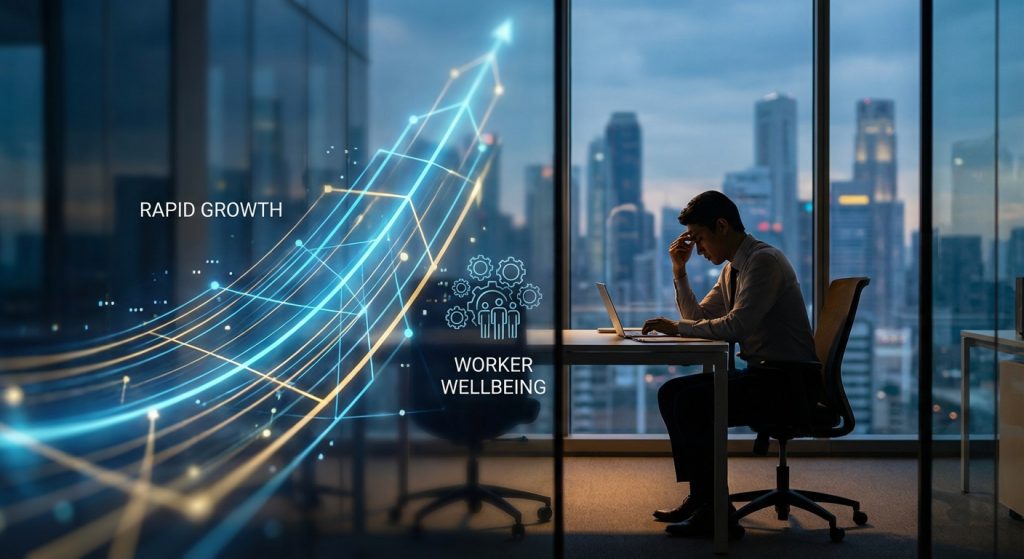
High-growth outsourcing offers incredible benefits. For instance, companies can scale rapidly and reduce costs. However, this aggressive pace often creates cultural norms that are deeply unsustainable. As a result, we see worker burnout, high turnover, and a negative social impact. For social impact analysts, understanding and addressing these issues is crucial.
This article explores the sustainability of these cultural norms. Firstly, we will examine the common problems that arise from a focus on hyper-growth. Subsequently, we will propose a new, more sustainable model. This model prioritizes people and long-term value over short-term gains. Ultimately, a sustainable approach is not just ethical; it is also good for business.
The Allure of High-Growth Outsourcing
Companies are drawn to high-growth outsourcing for clear reasons. The primary driver is often financial. Businesses can access skilled labor in other countries at a fraction of the cost. This allows them to significantly lower their operational expenses.
In addition, outsourcing provides incredible scalability. A company can quickly expand its team without the lengthy processes of traditional hiring. This agility is a massive advantage in fast-moving markets. Therefore, it’s no surprise that many startups and large corporations rely on this model to fuel their expansion.
Speed and Efficiency as Top Priorities
The core promise of this model is speed. Projects can run 24/7 by leveraging teams across different time zones. Consequently, development cycles shorten, and products get to market faster. This relentless focus on efficiency, however, often comes at a hidden cost.
The pressure to deliver quickly creates an environment where corners may be cut. The emphasis is on output, not on the process or the people involved. While this seems effective initially, it can lead to significant problems down the line.
The Cracks in the Foundation: Unsustainable Norms
When growth is the only goal, a toxic culture can easily take root. These cultural norms are often not created intentionally. Instead, they emerge from the constant pressure for speed and low costs. As social impact analysts, we must identify these harmful patterns.
These issues create a cycle of burnout and disengagement. Eventually, the very benefits of outsourcing—quality and efficiency—begin to erode. The human cost becomes a business cost.
The “Always-On” Culture and Burnout
One of the most damaging norms is the “always-on” expectation. Outsourced teams often work across vast time zone differences. This means someone is always online. As a result, workers feel pressured to be available at all hours for calls and messages.
This constant connectivity blurs the line between work and personal life. It prevents employees from truly disconnecting and recharging. Unsurprisingly, this leads directly to stress, exhaustion, and widespread burnout. The mental and physical health of the workforce suffers greatly.

Disconnect and a Transactional Workforce
Outsourced workers often feel like temporary assets, not team members. They are frequently excluded from company culture and internal communications. This creates a deep sense of isolation and detachment from the company’s mission.
Because of this, the relationship becomes purely transactional. Employees do the work, collect their pay, and feel no long-term loyalty. This leads to extremely high turnover rates. The constant churn of staff is expensive and disruptive. Moreover, it prevents the team from building valuable institutional knowledge.
Forging a Sustainable and Ethical Path Forward
The high-growth model is not inherently flawed. However, its execution needs a fundamental shift. We must move from a transactional mindset to a relational one. A sustainable outsourcing culture invests in its people as long-term partners.
This approach requires a conscious effort from leadership. It means redefining success to include both financial metrics and human well-being. Ultimately, a happy and stable team produces better work.
Prioritizing People and Fair Practices
The first step is to ensure fair treatment. This includes competitive wages that reflect skill and experience, not just regional averages. It also means establishing clear, reasonable working hours and respecting time off. Workers should not be expected to be available around the clock.
Furthermore, companies must provide proper benefits, including healthcare and paid leave. These are not perks; they are essential for a healthy workforce. By addressing these basics, businesses can build a foundation of trust and respect. It’s important to analyze who really pays the price in models that prioritize cost above all else.
Building an Inclusive Digital Culture
Creating a sense of belonging is vital for remote teams. Companies must intentionally build an inclusive digital environment. This involves more than just providing a chat tool. It means actively integrating outsourced members into the company’s social fabric.
For example, leaders can schedule virtual team-building activities that accommodate all time zones. They can also establish mentorship programs that pair new hires with seasoned employees. In the new remote era, rebuilding trust is paramount for success. Clear communication protocols and cross-cultural training are also essential for avoiding misunderstandings and fostering collaboration.
Investing in Long-Term Professional Growth
A sustainable culture provides opportunities for advancement. Workers are more likely to stay with a company if they see a future there. Therefore, businesses should invest in professional development for their outsourced teams.
This can include access to online courses, certifications, and skill-building workshops. Creating clear career paths shows employees that they are valued. When people feel they are growing, they become more engaged and contribute more effectively to the company’s goals.
The Role of the Social Impact Analyst
Social impact analysts are perfectly positioned to drive this change. Your role extends beyond simple data analysis. You can be a powerful advocate for ethical and sustainable practices within your organization.
By framing the issue in terms of long-term risk and value, you can make a compelling business case for a more humane approach to outsourcing.
Measuring What Truly Matters
Your first task is to expand the metrics of success. Cost savings are important, but they don’t tell the whole story. Therefore, you should track other key performance indicators (KPIs).
- Employee Retention Rates: High turnover is a major red flag and a significant hidden cost.
- Employee Well-being Surveys: Use anonymous surveys to gauge stress levels, job satisfaction, and burnout.
- Productivity and Quality Metrics: Connect employee satisfaction data to work output. Often, happier teams are more productive.
- Community Impact: Assess how your company’s outsourcing practices affect the local communities where your teams operate.
Presenting this data helps leaders see the full picture. It shows that investing in people can lead to better business outcomes.
Advocating for Ethical Frameworks
Beyond measurement, you can advocate for new policies. You can help develop an ethical outsourcing framework for your company. This framework should formalize commitments to fair wages, reasonable hours, and professional development.
Work with procurement and HR departments to implement these standards. For instance, you can help create a vendor code of conduct that all outsourcing partners must adhere to. This ensures that your company’s values are upheld across the entire supply chain.
Conclusion: A New Paradigm for Outsourcing
In conclusion, the high-growth outsourcing model is at a crossroads. The traditional approach, focused solely on speed and cost, is proving to be unsustainable. It creates a culture of burnout and disengagement that ultimately harms the business it intends to serve.
However, a better way is possible. By shifting to a people-centric model, companies can build sustainable, ethical, and highly effective outsourcing relationships. This new paradigm focuses on fair practices, inclusive culture, and long-term investment in people. For social impact analysts, championing this change is an opportunity to create immense value for both the business and society.
Frequently Asked Questions
What are high-growth outsourcing cultural norms?
These are workplace behaviors and expectations that arise from a relentless focus on rapid scaling and cost-cutting. For example, they often include an “always-on” work culture, a lack of team integration, and a purely transactional relationship with workers, leading to burnout and high turnover.
How can we measure the social impact of our outsourcing?
You can measure it by tracking metrics beyond cost. Firstly, monitor employee retention and satisfaction through surveys. Secondly, assess worker well-being and stress levels. Finally, analyze the economic and social effects on the local communities where your outsourced teams are based.
Isn’t the point of outsourcing just to cut costs?
While cost reduction is a major benefit, it should not be the only goal. An exclusive focus on cost often leads to poor quality, high turnover, and reputational risk. In contrast, a sustainable approach that values workers can lead to greater long-term profitability and innovation.
What are the first steps to creating a sustainable culture?
Firstly, commit to fair wages and reasonable working hours. Secondly, actively integrate remote workers into your company culture through communication and virtual events. Lastly, provide clear opportunities for professional development and career growth to show you value them as long-term partners.
