
Beyond Points: The New Era of Luxury Loyalty Programs
Published on Tháng 1 28, 2026 by Admin
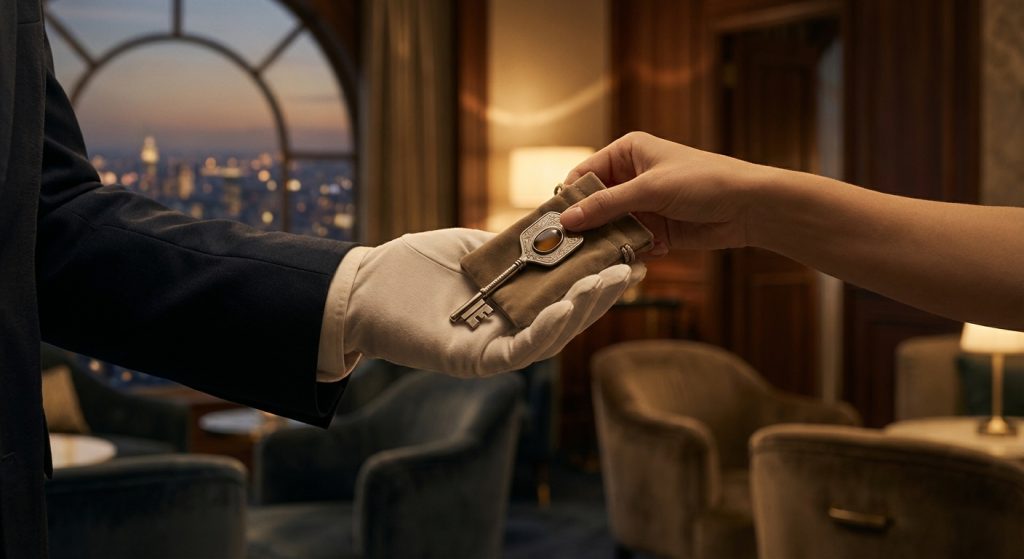
For today’s top executives, time is the ultimate luxury. As a result, traditional loyalty programs based on points and discounts are losing their appeal. A new model is emerging, one focused on exclusive experiences, hyper-personalization, and community. This article explores how luxury brands are redefining loyalty and how these programs can serve as powerful executive benefits, driving both talent retention and corporate alignment.
Why Traditional Loyalty Fails the Executive Class
Standard loyalty programs simply do not resonate with high-net-worth individuals. A 10% discount on a future purchase, for instance, offers little incentive to someone for whom price is not the primary consideration. These programs often fail because they misunderstand the core values of their target audience.
Moreover, executives are incredibly time-poor. They value efficiency and seamless service above all else. A complicated points system or a reward that requires effort to redeem is more of a burden than a benefit. Therefore, the old model of transactional rewards is fundamentally broken for this demographic.
The Irrelevance of Monetary Discounts
For a Fortune 500 executive, the value proposition of a loyalty program is not about saving money. Instead, it is about gaining access, saving time, and feeling recognized. A program that offers a free coffee or a minor room upgrade feels generic. It fails to acknowledge their status and significant patronage.
Consequently, brands that continue to lead with simple financial incentives are missing the mark. They are competing on a metric that their most valuable customers do not prioritize. True loyalty from this segment is earned through a much deeper, more emotional connection.
The High Cost of Inconvenience
Time is the most precious commodity for a busy leader. Any process that adds friction is a significant negative. For example, loyalty programs with complex rules, blackout dates, or difficult redemption processes create frustration. This can actively damage the brand relationship rather than strengthen it.
In contrast, programs that remove obstacles and provide frictionless experiences create immense value. The best rewards are those that happen automatically and seamlessly, making the executive’s life easier, not more complicated.
The New Paradigm: Experiential and Emotional Loyalty
The most successful luxury brands have pivoted from transactional rewards to experiential ones. This new approach focuses on creating unforgettable moments and fostering a sense of belonging. It is about making the member feel like an insider, not just a customer.
These programs are built on three core pillars: exclusive access, deep personalization, and community. By delivering on these elements, brands can cultivate a powerful emotional bond that transcends price and convenience.

Exclusive Access as the Ultimate Reward
The most powerful loyalty perk is access to something money cannot buy. This could be a private tour of an artist’s studio, a pre-launch viewing of a new watch collection, or a seat at a sold-out fashion show. These experiences are unique and highly shareable, creating a strong sense of status and recognition.
For example, a luxury automaker might invite its top clients to an exclusive ice-driving event in Finland. Similarly, a high-end hotel group could offer members a private dinner with a Michelin-starred chef. These are not discounts; they are memories.
Hyper-Personalization and Concierge Services
Generic rewards feel impersonal. In contrast, hyper-personalization shows that a brand truly understands its customer. This can range from a dedicated relationship manager who anticipates needs to a curated welcome gift based on past preferences. A program that remembers an executive’s favorite bottle of wine or their preferred pillow type demonstrates a level of care that builds profound loyalty.
Furthermore, offering a smart concierge service that can handle complex travel arrangements or secure last-minute reservations adds tangible value. It saves the executive time and mental energy, which is a benefit they will genuinely appreciate.
Building a Community of Peers
Top-tier loyalty programs often create a private community for their members. This provides a valuable networking opportunity for executives to connect with their peers in a relaxed, exclusive setting. These events can include private golf tournaments, art gallery openings, or members-only lounges at major global events.
By facilitating these connections, a brand becomes more than just a provider of goods or services. It becomes a central part of the member’s professional and social life. This creates a powerful moat that competitors find almost impossible to cross.
Implementing Loyalty as an Executive Benefit
Companies can leverage these luxury programs as a strategic tool for talent management. By partnering with premium brands, a corporation can offer a suite of benefits that are highly attractive to senior leadership. This demonstrates that the company understands and values the executive lifestyle.
This can be a significant differentiator in a competitive hiring market. It shows a commitment to rewarding top performers with benefits that enhance their lives, not just their bank accounts. For instance, companies can negotiate bulk purchase luxury travel packages for corporate use, giving executives access to premium airline and hotel loyalty tiers.
Measuring the ROI on Experiential Benefits
While the ROI of a discount is easy to calculate, the return on experiential benefits is more nuanced. The key metrics are not direct sales but rather executive retention, engagement, and recruitment success. Companies should track the turnover rate among executives who participate in these programs versus those who do not.
Tracking engagement can also involve monitoring how often these benefits are used and gathering qualitative feedback. Are executives excited about the offerings? Are they using them to de-stress and recharge? This data provides a clear picture of the program’s value.
The Future of Executive Loyalty: What’s Next?
The evolution of luxury loyalty is ongoing. We are seeing a move towards even greater integration and innovation. Digital assets like NFTs are being used as keys to unlock exclusive access, creating a verifiable and tradable form of membership. Sustainability is also becoming a key factor, with rewards tied to eco-conscious choices.
Ultimately, the future lies in creating a holistic ecosystem. A brand’s loyalty program might integrate with an executive’s entire lifestyle, from travel and dining to wellness and entertainment. The lines between different programs will blur, creating a single, seamless experience of recognition and reward.
Frequently Asked Questions
What is the main difference between a luxury loyalty program and a standard corporate perk?
A standard corporate perk, like a gym membership, is often a one-size-fits-all offering. In contrast, a luxury loyalty program provides personalized, exclusive experiences that are not widely available. It focuses on emotional connection and recognition rather than simple utility.
How can a company measure the success of these executive benefit programs?
Success should be measured through metrics like senior executive retention rates, employee engagement scores, and the speed of filling top-level positions. Qualitative feedback through surveys is also crucial to understand the perceived value of the benefits.
Are these types of benefits considered taxable income for the executive?
This can be complex and depends on the specific benefit and local tax laws. Generally, benefits that are not directly convertible to cash may have different tax implications. Therefore, companies should always consult with tax professionals to ensure compliance.
How can smaller companies offer these types of high-value benefits?
Smaller companies can start by forming strategic partnerships with local luxury service providers, such as a high-end restaurant or a boutique hotel. They can also explore fractional ownership models or membership clubs to provide access without the high cost of direct ownership.
In conclusion, the landscape of executive rewards has shifted permanently. To attract and retain top-tier talent, companies must look beyond cash-based incentives. By embracing the new era of experiential luxury loyalty, organizations can offer benefits that are not only valuable but also deeply meaningful, fostering a culture of recognition and appreciation that resonates at the highest levels.
