
Island Utility Costs: A Guide to Self-Sufficiency
Published on Tháng 1 27, 2026 by Admin
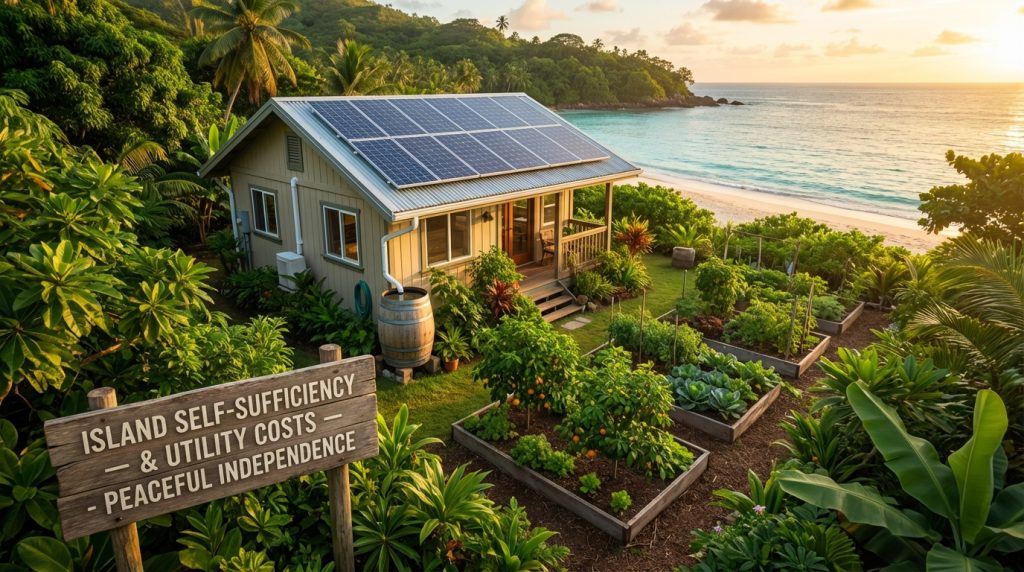
The Unseen Costs of Paradise: Understanding Island Utilities
Before you can reduce costs, you must first understand them. A private island’s operational budget is dominated by three key areas. Each presents its own set of financial and logistical hurdles. Therefore, a clear assessment is your starting point.
Power Generation: Beyond the Diesel Generator
Consistent electricity is non-negotiable for a modern luxury property. For many islands, diesel generators have been the traditional solution. However, they come with substantial drawbacks.Firstly, the cost of transporting fuel to a remote location is immense. This reliance creates a volatile and unpredictable expense. Moreover, generators are noisy, require constant maintenance, and have a significant environmental impact, which can detract from the natural beauty of your sanctuary.
Water Scarcity: Creating a Sustainable Supply
Fresh, potable water is perhaps the most critical resource. Without a municipal connection, you must create your own. The most common method is desalination through reverse osmosis.While effective, this process is incredibly energy-intensive. Consequently, it puts a heavy strain on your power generation system. This directly translates to higher fuel consumption and operational costs. Relying solely on desalination is a costly strategy.
Waste Management: The Logistical Challenge
Everything brought to an island must eventually be managed as waste. This includes household trash, organic waste, and wastewater. Disposing of it is a major logistical puzzle.Transporting waste back to the mainland is expensive and inefficient. On the other hand, improper on-island disposal can lead to environmental damage and regulatory issues. Therefore, a smart waste strategy is essential not just for cost savings but for preserving your island’s ecosystem.
Smart Strategies for Deep Utility Cost Reduction
The key to a cost-effective island is shifting from a reactive to a proactive management style. This involves embracing renewable resources and smart technology. These strategies not only cut costs but also enhance the resilience and value of your property.
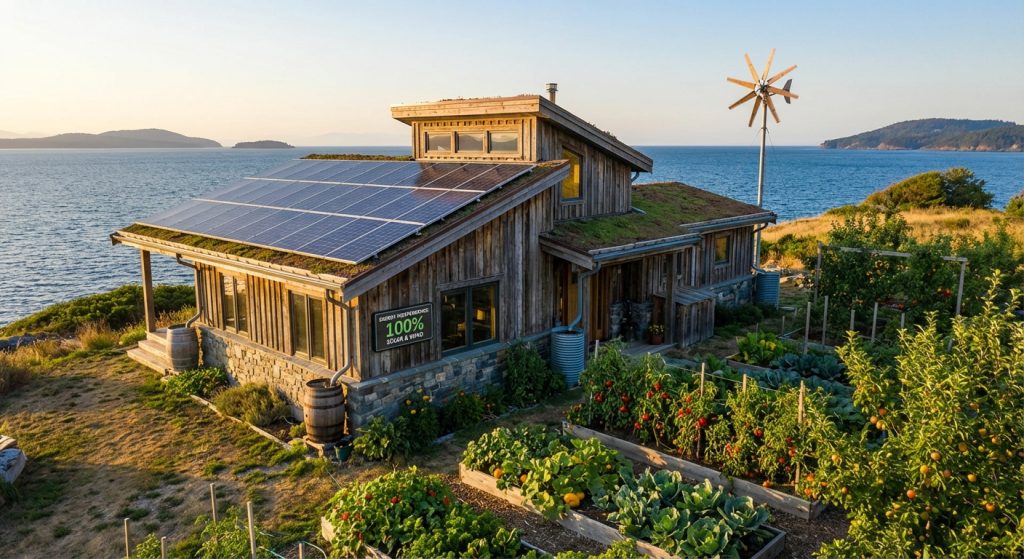
Embrace Renewable Energy: Solar and Wind Power
The most impactful step you can take is to reduce your reliance on diesel fuel. Solar and wind power are now highly efficient and viable solutions for off-grid properties.
- Solar Panels: The cost of photovoltaic (PV) panels has dropped significantly. They are reliable, silent, and require minimal maintenance. Furthermore, they can be installed on rooftops or as ground-mounted arrays.
- Wind Turbines: For islands with consistent wind, turbines can provide a powerful energy source, especially at night or on overcast days. A hybrid solar and wind system offers excellent redundancy.
- Battery Storage: A large-scale battery system (like a Tesla Powerwall or similar) is crucial. It stores excess energy generated during peak sun or wind. Consequently, you have a stable power supply 24/7 without needing to run a generator.
These systems represent an initial investment. However, the return on investment is substantial due to the near-elimination of fuel costs. This approach is a core part of sustainable energy retrofits for massive luxury estates.
Master Your Water: Desalination and Conservation
Your goal should be to make your water system as energy-efficient as possible. This involves both smart production and aggressive conservation.Firstly, invest in a modern, energy-recovery desalination system. These units can significantly reduce the power required to produce fresh water. In addition, you should diversify your water sources. Rainwater harvesting systems can collect and store vast amounts of water, reducing the need to run the desalination plant.
Water conservation is not about sacrifice; it’s about efficiency. Low-flow fixtures, smart irrigation for landscaping, and greywater recycling for non-potable uses can cut water demand by over 50%.
Implement a Zero-Waste Philosophy
Effective waste management begins with reducing what you bring to the island. Work with suppliers to minimize packaging. For the waste that is generated, a multi-pronged approach is best.High-quality composting systems can turn all organic waste into nutrient-rich soil for your gardens. This eliminates a significant portion of your waste stream. For other materials, establish clear recycling protocols. Modern, small-scale incinerators can handle residual waste, though they require careful management to meet environmental standards.
Leverage Technology for Ultimate Control
A smart island management system integrates all your utilities into a single dashboard. This technology allows you to monitor energy production, battery levels, water storage, and fuel consumption in real time.For example, you can automate systems to run high-energy tasks like desalination only when renewable energy is abundant. You can also detect leaks or inefficiencies immediately. This level of control provides powerful data for making informed decisions and further optimizing your operational costs. These systems are central to modern luxury estate maintenance cost reduction strategies.
Long-Term Planning for a Self-Sufficient Island
Achieving a truly self-sufficient and cost-effective island requires a long-term vision. It is an ongoing process of optimization and smart investment.
Financial Modeling and ROI
Before undertaking major projects like a solar installation, conduct a thorough financial analysis. Model the initial investment against the projected long-term savings from reduced fuel and maintenance.Typically, the payback period for renewable energy systems on remote islands is surprisingly short due to the high cost of diesel. This makes it a sound financial decision, not just an environmental one.
Staff Training and Operational Efficiency
Your island staff are your partners in cost reduction. Train them on the principles of energy and water conservation. Empower them to identify and report inefficiencies.Moreover, efficient operational protocols for supply chain management, equipment maintenance, and daily routines are crucial. A well-run island is an efficient island. By investing in your team and systems, you create a culture of sustainability that pays dividends for years to come.
Frequently Asked Questions
How much can I realistically save by switching to solar power?
The savings can be dramatic. For islands heavily reliant on diesel generators, it’s possible to reduce energy costs by 70-90%. The exact amount depends on your energy consumption, fuel transport costs, and the size of your solar and battery system. However, the return on investment is almost always favorable.
Is rainwater harvesting safe for drinking?
Yes, with proper filtration and treatment. A well-designed system collects water from clean surfaces and passes it through a series of filters, including sediment filters, carbon filters, and a UV sterilizer. This process makes the water perfectly safe and often of higher quality than municipal water.
What is the biggest mistake new island owners make with utilities?
The biggest mistake is underestimating the true cost and logistical complexity of off-grid living. Many owners initially install an undersized power system or fail to plan for water conservation and waste management. Therefore, it is crucial to work with experts to design a comprehensive and scalable utility plan from the very beginning.
Can I manage my island’s utilities remotely?
Absolutely. Modern smart home and island management systems are designed for remote access. You can monitor your power grid, check water tank levels, control lighting, and even view security cameras from anywhere in the world via a smartphone or computer. This provides immense peace of mind and control.
