
Fine Wine Cellar Management for Long Term Cost Savings
Published on Tháng 1 27, 2026 by Admin
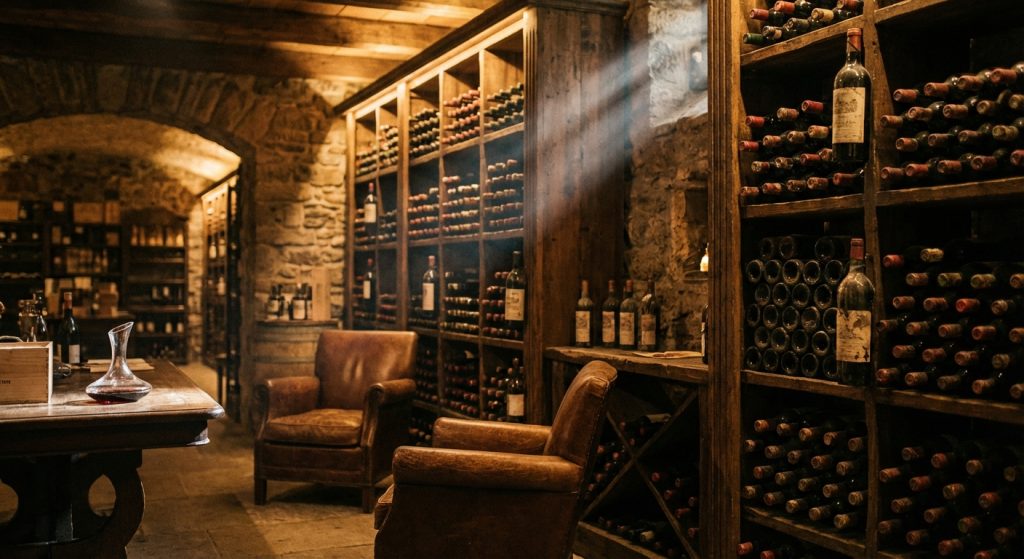
Managing a fine wine collection is an art. However, it is also a significant operational expense. The costs associated with storage, insurance, and maintenance can accumulate quickly. As a result, many collectors face unnecessary financial burdens. This article provides a comprehensive guide to strategic cellar management. Ultimately, our goal is to help you reduce costs while protecting your valuable assets.
By implementing smart strategies, you can achieve substantial long-term savings. We will cover everything from environmental controls to inventory technology. Therefore, you can make informed decisions that benefit both your collection and your bottom line.
The Foundation: Ideal Cellar Conditions on a Budget
Creating the perfect environment for wine maturation is paramount. Mistakes in this area can lead to spoiled wine and wasted capital. However, achieving ideal conditions does not have to break the bank. You can optimize your setup for efficiency and cost-effectiveness.
Temperature: The Non-Negotiable Core
Consistent temperature is the single most important factor in wine storage. Fluctuations can cause wine to expand and contract. This process can damage the cork’s seal and lead to oxidation. Consequently, your investment could be ruined.
The ideal temperature for long-term aging is between 55-57°F (13°C). Instead of using a consumer-grade refrigerator, consider a dedicated wine cooling unit. These are designed to maintain a stable temperature. Moreover, modern units are often more energy-efficient, saving you money on electricity bills over time.
Humidity: Protecting Corks and Labels
Humidity is another critical element. If the air is too dry, corks can shrink and become brittle. This allows air to seep into the bottle. On the other hand, excessively high humidity can cause mold to grow on labels, which diminishes the bottle’s resale value.
A humidity level of 60-70% is generally recommended. You can achieve this with a simple and inexpensive humidifier or dehumidifier, depending on your climate. Monitoring this with a digital hygrometer is a low-cost way to prevent expensive problems.
Light and Vibration: The Silent Spoilers
Both UV light and vibrations can negatively affect your wine. Light can degrade the complex organic compounds that give wine its flavor and aroma. Similarly, constant vibrations can disturb the sediment in older wines and accelerate the aging process undesirably.
Therefore, store your collection in a dark, quiet place. Use solid, windowless doors for your cellar. In addition, install LED lighting, as it emits very little heat and no UV radiation. Ensure your wine racks are sturdy and placed away from appliances like washing machines or generators.
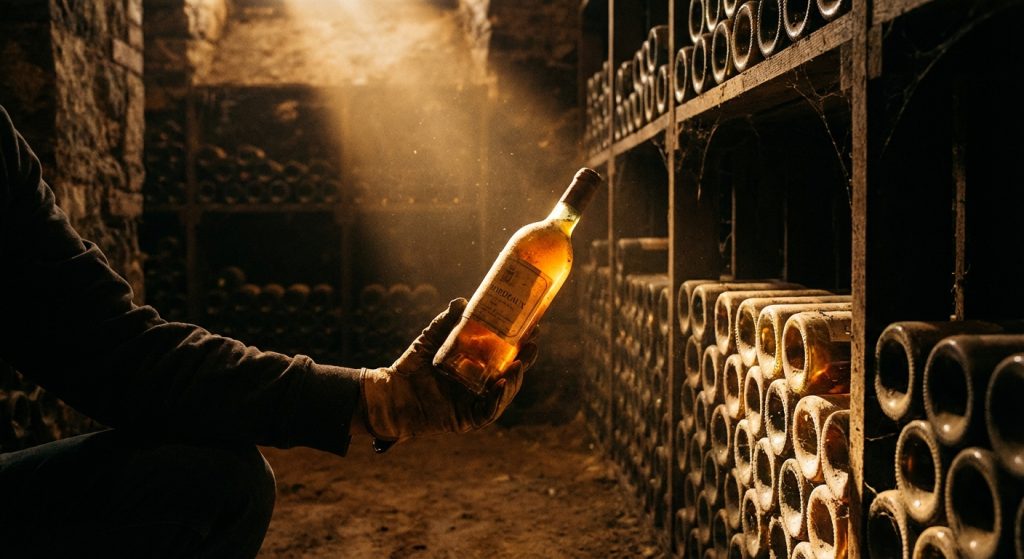
Strategic Cost-Saving Through Smart Technology
Modern technology offers powerful tools for managing a wine cellar efficiently. Investing in the right tech can lead to significant cost reductions. These savings come from lower energy consumption, better risk management, and streamlined operations. This approach turns a potential expense into a smart investment.
Energy-Efficient Cooling Systems
Your cellar’s cooling system is likely its biggest energy consumer. Older units can be incredibly inefficient. Upgrading to a modern, energy-efficient model can drastically cut your electricity costs. Look for units with high Seasonal Energy Efficiency Ratio (SEER) ratings.
In addition, proper insulation is crucial. Ensure your cellar is well-sealed to prevent cool air from escaping. This simple step reduces the workload on your cooling unit. As a result, it extends the unit’s lifespan and lowers your monthly bills.
Smart Sensors and Monitoring
Manual checks of temperature and humidity are time-consuming. They also leave room for human error. Smart sensors provide a cost-effective solution. These devices monitor your cellar’s environment 24/7.
They can send alerts directly to your smartphone if conditions deviate from the set parameters. This allows you to react quickly to potential issues, like a power outage or a failing cooling unit. Ultimately, this proactive approach prevents catastrophic losses that would far exceed the cost of the sensors themselves.
Inventory Management: Your Key to Financial Control
Knowing what you own is the first step toward managing it effectively. A disorganized collection is not just a logistical headache; it’s a financial liability. You might buy duplicates, miss optimal drinking windows, or fail to insure your collection adequately. Proper inventory management solves these problems.
The Power of Digital Cellar Tracking
Forget spreadsheets and paper tags. Modern cellar management software and apps provide a streamlined way to catalog your collection. You can scan barcodes to automatically pull in wine details. Furthermore, these platforms can track purchase price, current market value, and ideal drinking windows.
By having a clear overview of your assets, you can make strategic decisions about what to drink, what to hold, and what to sell. This prevents you from holding onto wines past their prime, which is a direct financial loss.
This level of organization is also invaluable for insurance purposes. A detailed, up-to-date inventory makes the claims process much smoother in the event of theft, fire, or damage.
Insurance and Valuation: Protecting Your Investment
A fine wine collection is a significant asset. Therefore, it must be properly insured. Standard homeowner’s policies often provide insufficient coverage for valuable collections. You need a specialized policy that covers your wine for its full replacement value.
Regular valuations are essential for maintaining adequate insurance. The market for fine wine fluctuates, so a bottle’s value can change dramatically. Using inventory software that tracks market data simplifies this process. Protecting your assets is fundamental, and a key part of this involves understanding how to Protect Your Assets: A Guide to Luxury Resale Value, a principle that applies directly to fine wine.
Long-Term Strategies for Sustainable Savings
Effective cellar management is about more than just maintaining the right conditions. It involves strategic thinking about acquisition and storage options. By planning ahead, you can build a world-class collection without incurring unnecessary expenses. This forward-looking approach ensures the sustainability of your passion.
Professional Storage vs. Home Cellar: A Cost Analysis
Building a home cellar is a major capital expense. You must account for construction, insulation, racking, and a cooling system. For many collectors, especially those with smaller or growing collections, professional storage can be a more cost-effective option.
These facilities offer perfect, fully insured storage conditions for a monthly fee. This shifts a large capital expenditure to a predictable operational cost. It also removes the burden of maintenance and energy bills. You should carefully analyze the costs and benefits of both options based on your collection’s size and your long-term goals.
Moreover, storing wine professionally can enhance its provenance. A documented history of professional storage can increase a wine’s value if you decide to sell it later.
Frequently Asked Questions
What is the most important factor for long-term wine storage?
Without a doubt, consistent temperature is the most critical factor. The ideal range is 55-57°F (13°C). Sharp or frequent temperature fluctuations are far more damaging than storing wine at a slightly warmer but stable temperature. It causes the wine to expand and contract, which compromises the cork’s seal and leads to premature aging and oxidation.
How often should I inventory my wine collection?
For a serious collector, a continuous inventory is best. Use a digital cellar management app to log bottles as you acquire them and remove them as you drink or sell them. In addition, you should conduct a full physical audit at least once a year to ensure your digital records are accurate. This is crucial for insurance and valuation purposes.
Do I need a professional cellar for a small collection?
It depends on the value and your long-term intentions. If you have a few dozen bottles for short-term drinking, a cool, dark closet might suffice. However, if you are collecting investment-grade wine, even a small amount benefits from proper storage. In this case, a small wine cooler or professional storage might be a more cost-effective and secure option than building a full home cellar.
