
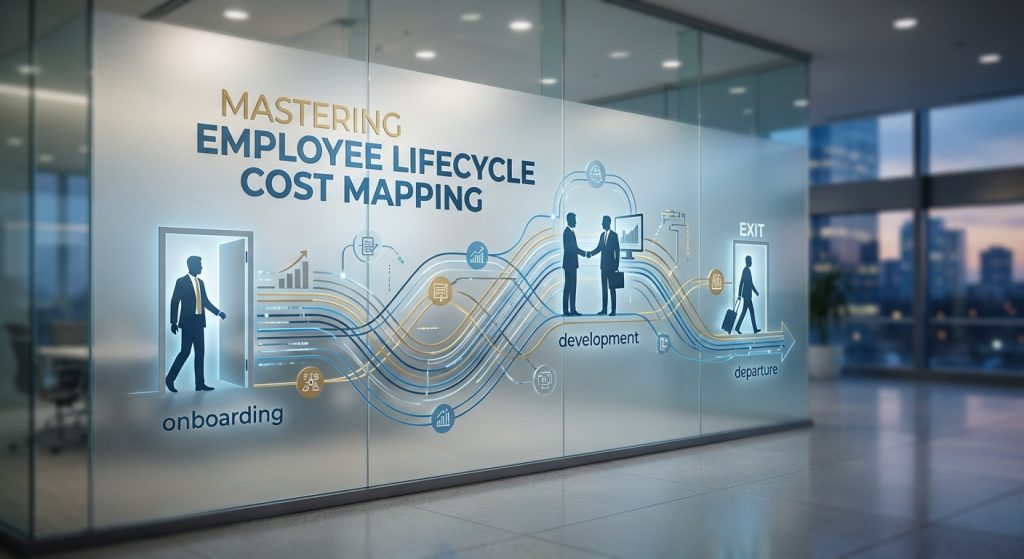
Understanding the true cost of your workforce is crucial. This goes beyond just salaries. It includes every touchpoint an employee has with your organization. This is where Employee Lifecycle Cost Mapping becomes essential. It’s a powerful tool for HR and finance leaders. It helps you see the full financial picture. This allows for smarter strategic decisions. Therefore, it can significantly impact your bottom line.
This article will guide you through this process. We’ll break down what it means. We’ll also explore why it’s so important. Furthermore, we’ll discuss how to implement it effectively. Finally, we’ll cover how to leverage this data for better business outcomes.
What is Employee Lifecycle Cost Mapping?
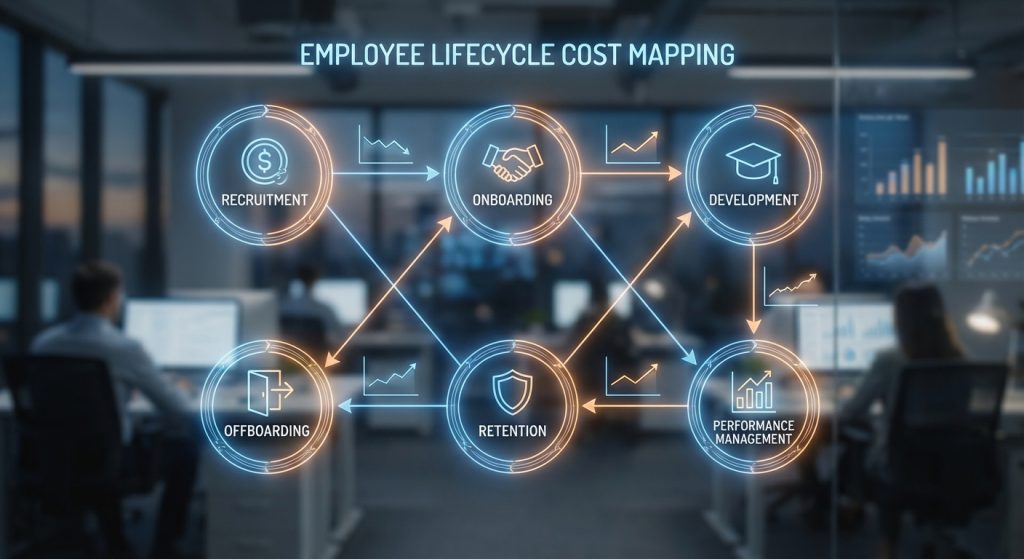
Employee Lifecycle Cost Mapping is a strategic framework. It quantifies all expenses associated with an employee. This spans their entire journey within the company. Think of it as a detailed financial audit of your human capital. It starts from the moment you decide to hire someone. It continues until they leave the organization. This includes recruitment, onboarding, training, compensation, benefits, and even offboarding costs. Consequently, it provides a holistic view of workforce expenditure.
For instance, consider the recruitment phase. This isn’t just the recruiter’s salary. It includes job board fees, advertising costs, interview time, and background checks. Similarly, onboarding involves training materials, IT setup, and the initial productivity dip. Mapping these costs helps identify where money is being spent. It also highlights areas of potential inefficiency or overspending.
Why is This Mapping So Important?
The importance of Employee Lifecycle Cost Mapping cannot be overstated. Firstly, it drives significant cost savings. By understanding where costs are incurred, you can identify redundancies. You can also pinpoint areas for optimization. For example, if recruitment costs are excessively high, you might re-evaluate your sourcing strategies. Maybe you need to improve your lean recruiting pipeline flow.
Secondly, it enhances strategic decision-making. When you have a clear picture of workforce costs, you can make informed choices. This includes decisions about staffing levels, training investments, and retention strategies. For instance, understanding the cost of employee churn can justify investments in retention programs. This helps to slash churn costs.
Moreover, it improves workforce planning. Knowing the cost of acquiring and retaining talent helps in forecasting future needs. It supports the development of more accurate budgets. This also allows for better resource allocation. For example, you can better plan for lean headcount growth or scale your operations efficiently.
Key Benefits at a Glance
- Identifies hidden costs within the employee journey.
- Drives significant cost reduction opportunities.
- Informs strategic workforce planning and budgeting.
- Improves return on investment (ROI) for HR initiatives.
- Enhances talent acquisition and retention strategies.
- Provides data for optimizing operational efficiency.
- Supports a more data-driven approach to HR management.
Mapping the Employee Lifecycle: Key Stages and Costs
Let’s break down the typical employee lifecycle. We will also identify the associated costs at each stage. This detailed approach is key to comprehensive mapping.
1. Pre-Recruitment & Sourcing Costs
Before an offer is even made, costs begin to accrue. This includes the time spent defining the role. It also involves job description writing. Furthermore, market research for salary benchmarks is a cost. You might use tools for global compensation insights.
The actual sourcing of candidates involves various expenses. These can include:
- Job board postings and advertisements.
- Agency fees for recruiters.
- Costs associated with employee referral programs.
- Time spent by hiring managers and HR on initial screening.
2. Recruitment & Selection Costs
This stage involves the active process of interviewing and selecting candidates. It’s a critical phase for cost control. Overlooking these costs can lead to budget overruns.
- Interviewer time (salaries and benefits for those involved).
- Applicant tracking system (ATS) software costs.
- Background check and reference verification fees.
- Travel expenses for candidates (if applicable).
- Assessment tools or tests.
Improving hiring efficiency is paramount. Strategies to master cost per hire are vital here.
3. Onboarding Costs
The onboarding process sets the tone for an employee’s tenure. Effective onboarding is an investment. Poor onboarding can lead to early attrition, increasing costs.
- HR administration for paperwork and system setup.
- IT equipment procurement and setup.
- New hire training programs and materials.
- Manager and team time dedicated to training and integration.
- Welcome kits or initial supplies.
4. Compensation & Benefits Costs
This is often the largest component of employee costs. It includes direct and indirect compensation.
- Base salary and wages.
- Bonuses, commissions, and overtime pay.
- Health insurance, retirement plans, and other statutory benefits.
- Voluntary benefits like life insurance or wellness programs.
- Payroll processing fees.
- Costs associated with managing benefit spend audits.
Accurate payroll forecasting is also a key cost driver.
5. Training & Development Costs
Investing in employee growth is crucial for long-term success. However, these costs need to be managed effectively.
- External training courses and certifications.
- Internal training program development and delivery.
- Employee time spent in training.
- Coaching and mentoring programs.
- Development tools and resources.
Upskilling initiatives can lead to greater efficiency. Consider upskilling for peak efficiency.
6. Performance Management & Productivity Costs
While not always direct expenses, these impact overall cost-effectiveness.
- Time spent on performance reviews.
- Tools for performance tracking.
- Costs associated with performance improvement plans.
- Lost productivity due to skill gaps or poor management.
Understanding performance metric ROI is essential.
7. Offboarding Costs
The departure of an employee also incurs costs. These are often overlooked.
- Exit interview administration.
- Severance pay (if applicable).
- Costs of knowledge transfer.
- Legal and HR support for termination.
- Costs of replacing the employee (which loops back to recruitment).
Minimizing churn also relates to managing employee churn economics.
How to Implement Employee Lifecycle Cost Mapping
Implementing this mapping requires a structured approach. It involves data collection, analysis, and continuous refinement.
Step 1: Define Your Scope and Objectives
First, decide what you want to achieve. Are you looking to reduce recruitment costs? Or perhaps improve overall workforce ROI? Clearly defining your goals will guide your data collection efforts. Also, decide which roles or departments you will focus on initially. You might start with a pilot program.
Step 2: Identify All Relevant Cost Categories
As outlined above, list every potential cost associated with each lifecycle stage. Don’t forget indirect costs. These often represent the largest hidden expenses. Think about the time spent by managers in meetings or the overhead of office space.
Step 3: Gather Data from Various Sources
This is often the most challenging step. You will need data from multiple departments. This includes HR, finance, IT, and payroll. You may need to:
- Access financial records for direct expenses.
- Survey managers and employees for time allocation data.
- Utilize existing HR information systems (HRIS) and payroll data.
- Leverage IT asset management tools.
Consider using tools for measuring workforce ROI to consolidate data.
Step 4: Quantify and Calculate Costs
Assign monetary values to each cost item. For direct costs like salaries or software subscriptions, this is straightforward. For indirect costs, like manager time, you’ll need to estimate based on average salaries and time spent. For example, if a manager spends 2 hours per week on onboarding a new hire, calculate that time based on their hourly rate.
Step 5: Analyze and Visualize the Data
Once you have the data, analyze it for trends and insights. Look for areas of high expenditure or inefficiency. Visualization is key here. Use charts and graphs to present the data clearly. This makes complex information easier to understand. It also helps in communicating findings to stakeholders. Consider tools for visualizing cloud spends as an analogy for workforce costs.
Step 6: Implement Changes and Monitor Results
Based on your analysis, implement targeted changes. This could involve streamlining recruitment processes, improving onboarding, or investing in better training. Crucially, monitor the impact of these changes. Track your key cost metrics over time. This ensures that your efforts are yielding the desired results.
Leveraging Insights for Business Impact
Employee Lifecycle Cost Mapping is not just an exercise in data collection. It’s a strategic tool. It should drive tangible business improvements.
Optimizing Recruitment and Retention
By understanding the cost of acquisition, you can refine your hiring strategies. This ensures you are attracting the right talent efficiently. Likewise, knowing the cost of turnover can highlight the value of retention initiatives. This can help to slash churn costs by focusing on employee satisfaction and development.
Improving Workforce Planning and Budgeting
Accurate cost data allows for more precise workforce planning. You can better predict future staffing needs and associated costs. This supports more robust budgeting processes. It also helps in making strategic decisions about growth. For instance, you can better manage high-growth budgeting.
Enhancing Training and Development ROI
Understanding the cost of training versus the productivity gains it delivers allows for better investment decisions. You can focus on programs that offer the highest return. This ensures your L&D budget is spent effectively.
Driving Operational Efficiency
Mapping costs across the entire lifecycle can reveal bottlenecks and inefficiencies. For example, a lengthy onboarding process might be a drag on productivity. Streamlining this can lead to faster time-to-value for new hires. This is akin to how organizations aim to create frictionless workflows.
Common Challenges and How to Overcome Them
Implementing this mapping isn’t always easy. Several challenges can arise.
- Data Silos: Information is often scattered across different departments. Overcome this by fostering cross-departmental collaboration. Secure buy-in from key stakeholders.
- Inaccurate Data: Estimates for indirect costs can be difficult to perfect. Start with reasonable estimates and refine them over time. Focus on consistency.
- Resistance to Change: Some individuals may be hesitant to share data or adopt new processes. Clearly communicate the benefits and involve them in the process.
- Complexity: Mapping can seem overwhelming. Start small with a specific department or lifecycle stage. Gradually expand your scope as you gain experience.
Consider exploring resources on FinOps fundamentals for a similar approach to cost management in a different domain.
Conclusion
Employee Lifecycle Cost Mapping is a sophisticated yet vital practice. It offers unparalleled insights into your organization’s most significant asset: its people. By diligently mapping these costs, you unlock opportunities for substantial savings. You also gain the strategic advantage needed to make informed, impactful business decisions. Therefore, investing the time and resources into this practice is not just recommended—it’s a necessity for sustainable growth and financial health in today’s competitive landscape.
Frequently Asked Questions (FAQ)
What are the biggest hidden costs in the employee lifecycle?
Some of the biggest hidden costs often include the time spent by managers and colleagues in recruitment and onboarding, the productivity loss during the initial learning curve of new hires, and the cost of employee turnover, which includes recruitment, onboarding, and lost productivity.
How often should employee lifecycle costs be mapped?
It’s best to map these costs at least annually. However, for rapidly changing organizations or those undergoing significant strategic shifts, more frequent reviews (e.g., quarterly) might be beneficial. Continuous monitoring of key cost drivers is also recommended.
Can this mapping be applied to different types of employees (e.g., full-time, contract)?
Yes, absolutely. The framework can be adapted. For contract employees, the lifecycle might be shorter, and some costs (like long-term benefits) may differ, but the principle of mapping all associated expenses remains the same. Understanding full-time vs. freelancer costs is a related area.
What technology can help with Employee Lifecycle Cost Mapping?
While there isn’t a single “Employee Lifecycle Cost Mapper” software, integrated HRIS systems, advanced analytics platforms, and even sophisticated spreadsheets can be used. Tools for workforce analytics, financial planning, and talent management can also provide valuable data.
How does this differ from standard HR budgeting?
Standard HR budgeting often focuses on aggregate costs for the next fiscal year. Employee Lifecycle Cost Mapping dives deeper, breaking down costs by the employee’s journey stage and quantifying the full cost of each interaction. It’s more granular and diagnostic, aiming to reveal inefficiencies rather than just project future spend.
