Digital Twin Workforce Sims: Your Strategic Edge
Published on Tháng 1 17, 2026 by Admin
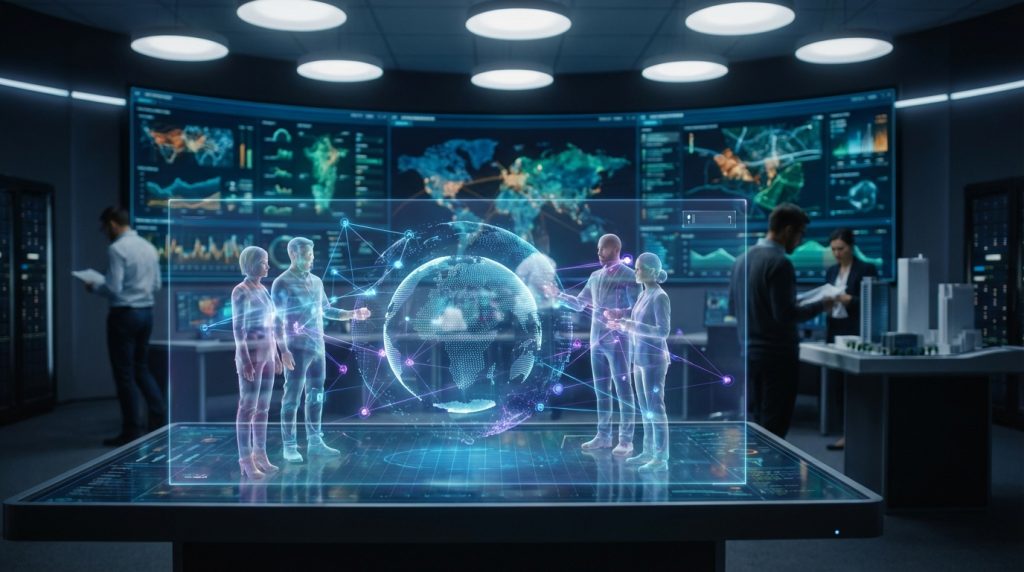
In today’s rapidly evolving business landscape, strategic planning VPs are constantly seeking innovative ways to optimize operations and drive growth. One such powerful tool emerging is the Digital Twin Workforce Simulation. This technology offers a unique lens through which to view and manipulate your most valuable asset: your workforce. Therefore, understanding its capabilities is crucial for any forward-thinking leader.
A Digital Twin Workforce Simulation is essentially a virtual replica of your actual workforce. It mirrors your employees’ skills, roles, performance metrics, and even their interdependencies. Furthermore, this digital model allows for sophisticated scenario planning. You can test the impact of various strategic decisions without risking real-world consequences. This is a game-changer for proactive talent management and operational efficiency.
What is a Digital Twin Workforce Simulation?
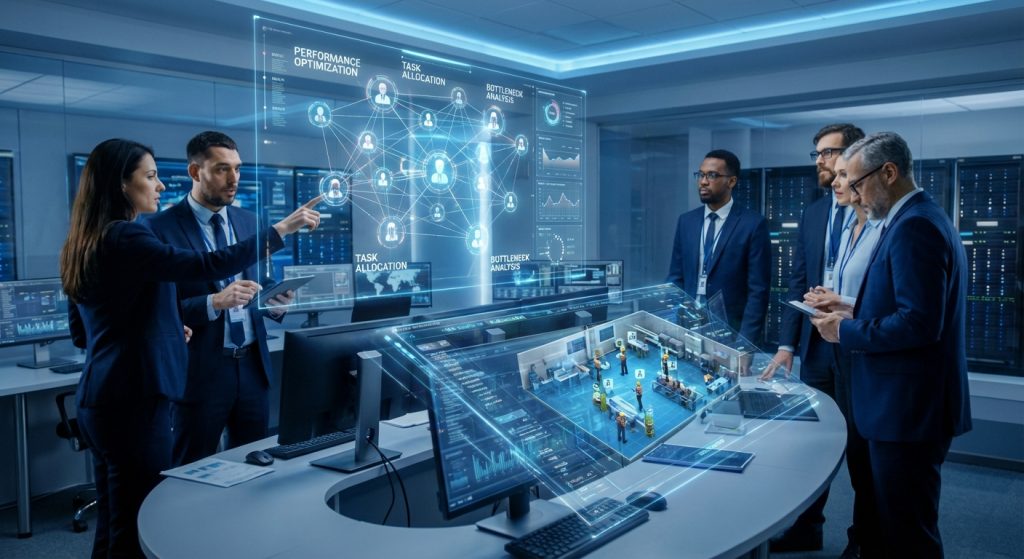
At its core, a Digital Twin Workforce Simulation creates a dynamic, data-driven virtual environment. This environment reflects the complexities of your human capital. It integrates data from various HR systems, performance reviews, and operational outputs. Consequently, it provides a holistic view of your workforce’s current state.
Think of it as a highly advanced, interactive spreadsheet for your people. However, it goes far beyond static data. It simulates behaviors, predicts outcomes, and allows for “what-if” analyses. This enables leaders to make more informed decisions about staffing, training, and organizational design. Moreover, it can help identify potential bottlenecks or areas of underutilization.
Key Components of a Digital Twin Workforce Simulation
Several key elements contribute to the creation and effectiveness of these simulations. Firstly, robust data integration is paramount. This includes pulling data from HRIS, payroll, performance management systems, and even project management tools. Secondly, advanced analytics and AI are used to model employee behavior and predict outcomes. Thirdly, a user-friendly interface is essential for VPs to interact with the model and run scenarios easily. Finally, the simulation needs to be continuously updated to reflect real-world changes.
For example, imagine a scenario where you are considering a new product launch. You can use the digital twin to simulate the staffing needs, skill gaps, and training requirements. You can also model the impact on existing team workloads. This helps you prepare adequately and avoid unforeseen challenges. As a result, your launch is more likely to succeed.
Why Strategic Planning VPs Need Digital Twin Workforce Sims
The benefits for strategic planning VPs are numerous and significant. These simulations offer unparalleled foresight and control. They move decision-making from reactive to proactive. This is essential in today’s competitive market. Furthermore, they provide a data-backed approach to complex workforce challenges.
In essence, digital twins empower VPs to de-risk strategic initiatives. They can test hypotheses about organizational structure, skill development, and resource allocation. This reduces the likelihood of costly mistakes. It also optimizes the deployment of talent for maximum impact. Moreover, it can reveal opportunities for enhanced efficiency and cost savings.
Scenario Planning and Risk Mitigation
One of the most powerful applications is scenario planning. You can simulate the impact of market shifts, technological disruptions, or mergers and acquisitions on your workforce. For instance, what happens if a key competitor launches a disruptive technology? How will your current team adapt? The digital twin can model this. It can identify training needs or potential hiring requirements. Therefore, you can prepare your workforce in advance.
This proactive approach to risk mitigation is invaluable. It allows VPs to anticipate challenges and develop contingency plans. Consequently, the organization becomes more resilient. It can weather disruptions more effectively. This is especially important when considering large-scale changes. It helps to understand potential ripple effects across departments. It also allows for the optimization of lean headcount growth strategies.
Optimizing Resource Allocation and Efficiency
Digital twin simulations excel at optimizing resource allocation. They can identify where your talent is most effectively utilized. They can also pinpoint areas where there might be overstaffing or skill gaps. For example, you might discover that a particular team is consistently overloaded. The simulation can then help you determine the optimal number of additional staff needed or suggest reallocating tasks. Therefore, you ensure that your resources are deployed where they will yield the greatest return.
This leads to significant improvements in operational efficiency. By understanding the flow of work and the capacity of your teams, you can make data-driven decisions. These decisions drive productivity. They also reduce waste. For example, identifying idle time or underutilized skills can lead to better task assignment. This directly impacts your bottom line. It also helps in developing more effective efficiency-driven staffing plans.
Talent Development and Skill Gap Analysis
Identifying future skill needs is another critical function. The digital twin can forecast the skills required for upcoming strategic initiatives. It can then compare these needs against your current workforce’s skill inventory. This highlights existing gaps. Furthermore, it can simulate the effectiveness of different training programs. You can see which programs yield the best results for upskilling your employees. Thus, you can invest in targeted development initiatives.
This ensures your workforce remains agile and equipped for future challenges. It moves beyond reactive hiring. Instead, it focuses on building a proactive, skilled workforce. This is essential for long-term success. It also aids in strategic talent density ratio planning. You can ensure you have the right people with the right skills.
Implementing Digital Twin Workforce Sims
Implementing a digital twin workforce simulation requires a strategic approach. It’s not simply a matter of installing software. It involves careful planning, data management, and organizational buy-in. However, the investment can yield substantial returns.
Firstly, clearly define your objectives. What specific problems are you trying to solve? What strategic questions do you need answered? Having clear goals will guide the implementation process. Secondly, ensure you have access to clean, accurate data. Data quality is paramount for the simulation’s effectiveness. Lastly, involve key stakeholders early on. This includes HR, IT, and departmental leadership.
Data Requirements and Integration
The foundation of any digital twin is data. You need comprehensive and accurate data on your employees. This includes demographic information, skills, job history, performance data, and compensation details. Furthermore, integrating data from various sources is crucial. This often involves APIs or data warehousing solutions. Therefore, a strong IT infrastructure is essential.
The process of data integration can be complex. However, many modern platforms offer robust integration capabilities. It is important to ensure data privacy and security throughout this process. This is non-negotiable. You must comply with all relevant regulations. This ensures trust and ethical data handling.
Choosing the Right Technology and Partners
Selecting the right technology is vital. Several vendors offer digital twin workforce simulation platforms. These vary in features, complexity, and cost. Therefore, it is important to research and compare options based on your specific needs. Look for platforms that offer advanced analytics, user-friendly interfaces, and strong integration capabilities. Moreover, consider the vendor’s expertise and support services. A good partner can significantly ease the implementation process.
When evaluating vendors, consider their track record. Do they have experience with similar organizations? Can they provide case studies or references? Furthermore, ensure the technology aligns with your existing IT architecture. This prevents compatibility issues down the line. It is also beneficial to explore how these tools can support AI-driven workforce modeling.
Change Management and Adoption
Successful adoption hinges on effective change management. Employees and leaders need to understand the value and purpose of the digital twin. Therefore, clear communication and training are essential. Highlight how the tool can benefit them, not just the organization. For instance, it can help identify personalized development opportunities.
Address any concerns or skepticism proactively. Explain how data is used and protected. Foster a culture of data-driven decision-making. This will encourage buy-in and ensure the tool is utilized to its full potential. Furthermore, it can help in understanding the true ROI of employee wellbeing. This is crucial for holistic workforce management.
The Future of Digital Twin Workforce Sims
The capabilities of digital twin workforce simulations are continuously expanding. As AI and machine learning advance, these simulations will become even more sophisticated. We can expect more accurate predictions, deeper insights, and more seamless integration with other business systems. This will further solidify their role as indispensable tools for strategic planning.
The trend towards hyper-personalization in the workplace will also drive innovation. Digital twins can help tailor employee experiences, development paths, and even compensation structures. This leads to higher engagement and retention. Ultimately, the digital twin workforce simulation is not just a tool; it’s a strategic imperative for organizations aiming to thrive in the future.
Frequently Asked Questions (FAQ)
What is the primary benefit of a Digital Twin Workforce Simulation for VPs?
The primary benefit is the ability to conduct risk-free scenario planning and gain predictive insights into workforce-related strategic decisions. This allows for proactive decision-making and mitigation of potential negative outcomes.
How does a Digital Twin Workforce Simulation differ from traditional HR analytics?
Traditional HR analytics typically provide historical data and current state reporting. A digital twin goes further by simulating future outcomes based on various inputs and “what-if” scenarios. It’s dynamic and predictive, not just descriptive.
What kind of data is needed to build a Digital Twin Workforce Simulation?
Essential data includes employee demographics, skills, performance metrics, compensation, tenure, and potentially data on team structures and project involvement. Integration with HRIS, payroll, and performance management systems is key.
Can Digital Twin Workforce Sims help with cost management?
Absolutely. By optimizing resource allocation, identifying skill gaps that require costly external hires, and simulating the impact of staffing changes, these sims can lead to significant cost savings and improved efficiency. For example, it can help inform decisions about reducing cost per hire metrics.
Is implementing a Digital Twin Workforce Simulation a complex process?
It can be, as it requires robust data integration and careful planning. However, with the right technology partners and a clear strategy, the implementation can be managed effectively. The key is to start with clear objectives.
Conclusion
Digital Twin Workforce Simulations represent a significant leap forward in strategic workforce planning. They offer VPs an unprecedented ability to understand, predict, and optimize their most critical asset. By leveraging this technology, organizations can navigate complexity with greater confidence. They can build more agile, efficient, and resilient workforces. Therefore, embracing this innovation is no longer optional; it is a strategic necessity for sustained success.