Master Crypto Expenses: 5 Top FinTech Trackers
Published on Tháng 12 25, 2025 by Admin

The cryptocurrency market is booming. Investors and day traders are flocking to digital assets. However, managing investment expenses can be complex. This is especially true with the volatile nature of crypto. Fortunately, FinTech has stepped in. It offers innovative solutions. These tools help track and manage your crypto investment expenses effectively. Let’s explore five top FinTech apps. They can transform your financial management.
What is FinTech and Why Does It Matter for Crypto?
FinTech, a blend of “financial” and “technology,” refers to any technology. It helps people and businesses digitally manage their finances. This includes accessing accounts, making transactions, and gaining financial insights. Consumers are increasingly comfortable using these tools. In fact, 79% of consumers are comfortable using fintech companies, showing a narrowing trust gap with traditional banks.
For cryptocurrency investors, FinTech apps are game-changers. They simplify the often-complicated task of tracking expenses. This can include trading fees, gas fees, and even tax implications. By providing clear overviews and detailed reports, these apps empower users. They can make more informed decisions. Therefore, better financial management leads to potentially better investment outcomes.
The Challenge of Tracking Crypto Expenses
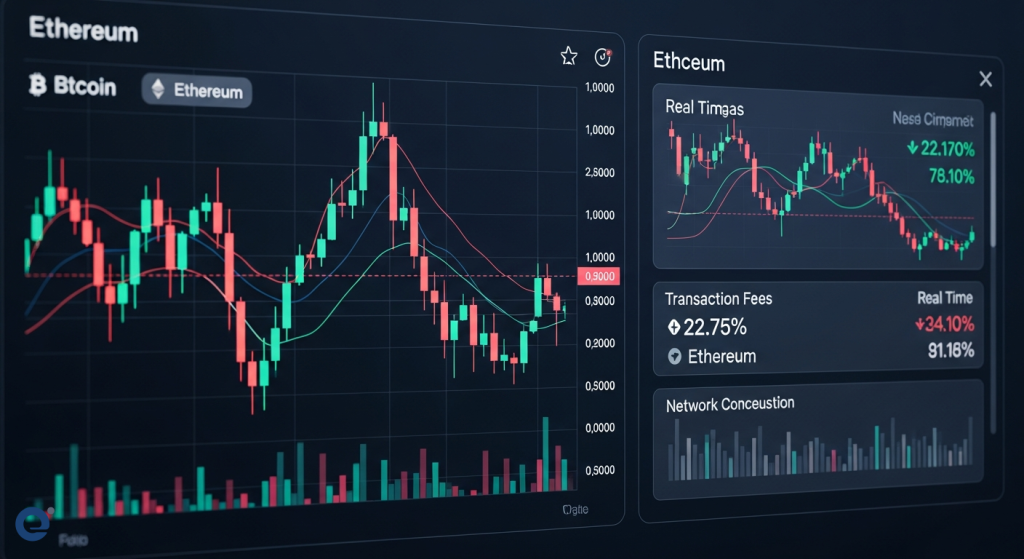
Tracking cryptocurrency expenses presents unique challenges. Unlike traditional stock markets, crypto transactions can occur on numerous platforms. Each platform might have different fee structures. Furthermore, the decentralized nature of some crypto operations adds complexity. Gas fees on blockchain networks can fluctuate wildly. These fees are essential to record for accurate expense tracking.
Moreover, investors often interact with multiple exchanges and wallets. This fragmentation makes a consolidated view difficult. Without a dedicated system, manually logging every transaction is tedious. It is also prone to errors. As a result, investors might underestimate their total expenses. This can impact profitability and tax reporting. Therefore, robust tracking tools are indispensable.
5 FinTech Apps for Tracking Crypto Investment Expenses
Several FinTech applications stand out for their ability to manage crypto investment expenses. These tools offer features tailored to the digital asset space. They provide clarity and control over your financial data.
1. CoinLedger
CoinLedger is a popular choice for crypto tax and portfolio tracking. It aims to simplify tax compliance. However, its expense tracking capabilities are also robust. It aggregates data from various exchanges and wallets. This provides a comprehensive overview of your trading activity. Users can see all transaction fees, including exchange fees and network fees.
The platform supports a vast number of cryptocurrencies and blockchains. This ensures broad compatibility. It generates detailed reports. These reports can be invaluable for tax purposes. They also help in understanding where your investment capital is being spent. For instance, understanding the cost of transactions on different blockchains is crucial.
2. Koinly
Koinly is another leading FinTech solution. It focuses on crypto tax reporting. Yet, it excels at expense management too. Koinly connects to over 17,000 crypto assets. It also integrates with hundreds of exchanges and wallets. This broad integration makes it easy to import all your trading data. You can then see all associated costs.
The app provides a clear dashboard. It highlights profits, losses, and expenses. Users can easily identify trading fees, deposit fees, and withdrawal fees. It also helps in calculating capital gains and losses for tax reporting. This detailed breakdown is essential for any serious crypto investor. It helps in understanding the true cost of trading.
3. Accointing by Glassnode
Accointing, now part of Glassnode, offers a comprehensive suite for crypto investors. It focuses on portfolio tracking and tax reporting. The platform allows users to connect their wallets and exchanges. It then tracks all transactions. This includes the associated expenses like trading fees and gas fees.
Accointing provides insightful analytics. It helps users understand their investment performance. Crucially, it breaks down expenses. This allows for a clear picture of how much is spent on fees. For example, users can see the cumulative cost of using specific decentralized applications (dApps). This level of detail is vital for managing costs effectively. It is a powerful tool for analyzing investment portfolios.
4. Delta Investment Tracker
Delta is a popular all-in-one investment tracker. It supports traditional assets like stocks and ETFs. It also offers robust support for cryptocurrencies. Delta allows users to connect their crypto exchanges and wallets. It then provides a real-time overview of their portfolio. This includes the total value and performance.
While its primary focus is portfolio performance, Delta also tracks transaction costs. Users can see fees associated with trades. It provides a consolidated view of all investment-related expenses. This makes it easier to monitor spending across different crypto assets. It is a good option for investors who want to track both traditional and crypto investments in one place. This aligns with the idea of maximizing utility from free features of investment apps, as discussed in maximize free investment app features.
5. Robinhood Crypto
Robinhood is well-known for its commission-free trading on stocks and ETFs. It also offers cryptocurrency trading. For crypto, Robinhood aims for low average costs. It allows users to trade over 25 crypto assets. These include Bitcoin (BTC), Ethereum (ETH), and Dogecoin (DOGE). While it advertises low costs, it’s still important to track any fees incurred.
Robinhood Crypto allows for recurring buys. This can help automate investment strategies. Users can see their trade history. This includes any associated fees, although they are often minimal for crypto trades on the platform. The app also offers features like automated crypto trades and recurring buys. This makes managing investments simpler. However, it’s always wise to review fee schedules. Source: Robinhood Crypto trading is offered through an account with Robinhood Crypto.
Key Features to Look For in Expense Trackers
When choosing a FinTech app for tracking crypto expenses, consider these key features:
- Broad Exchange and Wallet Integration: Ensure the app supports your preferred exchanges and wallets.
- Automatic Data Import: Look for apps that can automatically sync with your accounts. This minimizes manual entry.
- Detailed Fee Breakdown: The app should clearly show trading fees, network fees, and other associated costs.
- Tax Reporting Capabilities: Many expense trackers also provide tax reports. This is a significant benefit for investors.
- User-Friendly Interface: A clean and intuitive dashboard makes managing finances easier.
- Real-time Updates: For active traders, real-time data is essential.
These features help ensure you have a complete and accurate picture of your crypto investment expenses. This can also help in unmasking hidden fees that might otherwise go unnoticed.
Beyond Basic Tracking: Advanced Expense Management
Effective expense management goes beyond simply logging costs. It involves strategic analysis. Understanding your spending patterns can reveal opportunities for optimization. For instance, are you paying excessive network fees on certain transactions? Could you switch to a more cost-effective exchange for specific trades?
Some advanced FinTech tools offer budgeting features. They allow you to set spending limits for trading fees. They can also alert you when you approach these limits. This proactive approach helps prevent overspending. It ensures you stay within your planned investment budget. This is similar to how one might approach automating personal savings to achieve financial goals.
The Role of Blockchain in Cost Management
Blockchain technology itself plays a significant role in crypto expenses. Gas fees, for example, are a direct cost of using blockchain networks. These fees are paid to miners or validators for processing transactions. The efficiency and congestion of a blockchain directly impact these costs. Therefore, choosing the right blockchain for your transactions can save money.
Some newer blockchains are designed for lower transaction fees. They offer scalability solutions to handle more transactions. Understanding these underlying technologies is crucial for cost-conscious crypto investors. It allows for informed decisions about which networks and protocols to use. This is related to the broader concept of using blockchain to slash global transaction costs.
FAQ: Your Crypto Expense Tracking Questions Answered
Which is the best FinTech app for crypto expense tracking?
The “best” app depends on your specific needs. CoinLedger and Koinly are excellent for tax reporting and detailed expense breakdowns. Delta offers a broader investment view. Robinhood Crypto is suitable for basic crypto trading with low fees.
Do I need a separate app for crypto expenses?
While some exchanges offer basic fee tracking, a dedicated FinTech app provides a consolidated and more detailed view. This is especially important if you use multiple platforms. It helps in accurately assessing your total investment costs.
How do these apps handle network fees (gas fees)?
Most reputable crypto expense trackers will import your transaction history. This includes any network fees paid. They then categorize these fees as part of your overall crypto expenses. This ensures a complete financial picture.
Are these apps secure for my financial data?
Reputable FinTech companies prioritize security. They use encryption and other measures to protect your data. However, it’s always wise to enable two-factor authentication on your accounts and choose apps with strong security track records. Always review the app’s privacy policy.
Can these apps help with crypto taxes?
Yes, many of these apps are designed with crypto tax reporting in mind. They can generate reports detailing your capital gains, losses, and expenses. This simplifies the tax filing process significantly. It’s important to consult with a tax professional for personalized advice.
Conclusion: Take Control of Your Crypto Finances
Managing cryptocurrency investment expenses is crucial for profitability. It also ensures compliance. FinTech apps offer powerful tools to simplify this complex task. By integrating with exchanges and wallets, they provide clear insights. They help users track every fee and cost associated with their crypto ventures.
Choosing the right FinTech app can make a significant difference. It empowers investors to make informed decisions. It also helps in optimizing trading strategies. Therefore, explore the options available. Find the app that best suits your needs. Take control of your crypto finances today. This proactive approach will benefit your long-term investment journey.