
Lease or Subscribe: Optimize IT Equipment Costs
Published on Tháng 12 23, 2025 by Admin
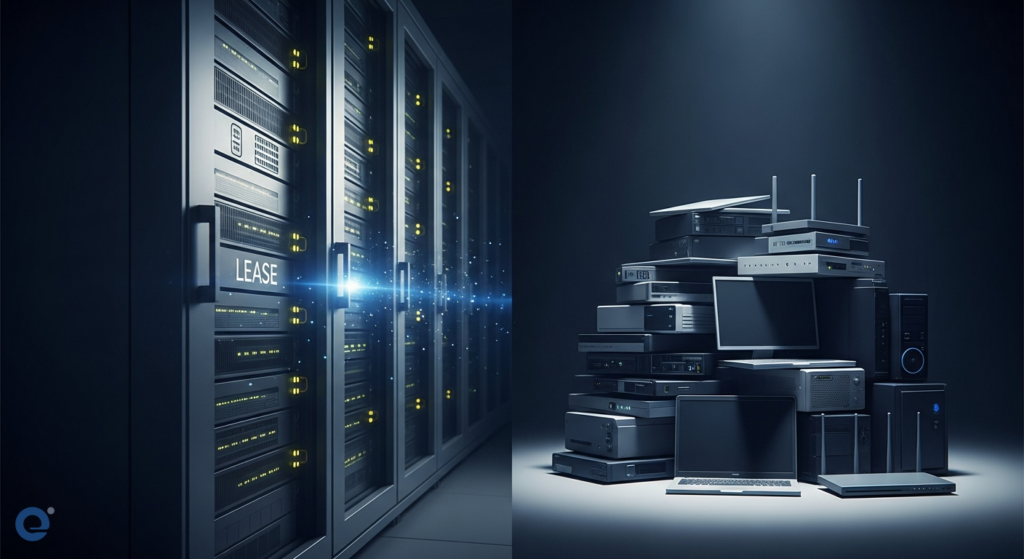
For IT Managers and CFOs, managing IT equipment costs is a constant challenge. Traditional purchasing models often involve significant upfront capital expenditures (CapEx). However, a growing trend favors leasing or subscription models. These approaches shift costs to operational expenditures (OpEx). This strategy offers greater flexibility and predictability. It allows businesses to access the latest technology without the burden of ownership.
Understanding the Shift: CapEx vs. OpEx in IT
Capital expenditures (CapEx) typically involve large, one-time investments in tangible assets. These assets, such as servers, network switches, or computers, are expected to benefit the organization for more than one fiscal year. The cost of these assets is then depreciated over their useful life. This approach gives businesses full control over their hardware and software. However, it requires substantial upfront capital. This can strain IT budgets and reduce overall cash flow. For example, purchasing servers and data center infrastructure falls under CapEx. IT equipment like servers, network switches, and computers are common examples of capital expenditures.
Operational expenditures (OpEx), on the other hand, are ongoing, recurring costs. These include expenses like rent, utilities, and software subscriptions. OpEx costs are typically fully deductible in the year they are incurred. This model offers greater agility. It allows costs to align more closely with actual usage. Many IT services are now shifting towards cloud-based, subscription models that favor OpEx. This is because they provide flexibility and cost predictability. This shift is a key driver in modern IT spending strategies.
The Power of Leasing and Subscription Models
Leasing and subscription models offer a compelling alternative to outright purchase. Instead of buying equipment, businesses pay for temporary access. This creates recurring revenue streams for providers. For customers, it means avoiding large upfront investments. They also bypass maintenance responsibilities and storage needs. This is a significant advantage in today’s economy. The core idea is simple: purchase an asset once and generate multiple revenue streams through repeated rentals. Rental business models generate recurring income by maintaining ownership of equipment and charging customers for usage.
Benefits for IT Managers and CFOs
These models provide several key advantages. Firstly, they improve cash flow management. By converting CapEx into OpEx, businesses can free up capital. This capital can then be used for strategic growth initiatives. Secondly, they offer enhanced flexibility. IT needs can change rapidly. Leasing or subscribing to equipment allows businesses to scale up or down as required. This avoids the problem of owning outdated or underutilized assets.
Furthermore, these models often include maintenance and support. This reduces the burden on internal IT teams. It also ensures equipment is kept in optimal working condition. This predictability in costs is invaluable for budgeting. It helps CFOs forecast expenses more accurately. This is a crucial aspect of financial planning. For instance, a RaaS (Robotics-as-a-Service) model can include maintenance and support. This is typical for subscription-based offerings.
Types of Leasing and Subscription Models
There are various ways to structure these arrangements. Businesses can choose from different models to suit their specific needs.
- Traditional Leasing: This involves renting equipment for a fixed period. At the end of the lease, the business can often choose to renew, return, or sometimes purchase the equipment.
- Subscription Services: This is a broader category. It includes Software-as-a-Service (SaaS), Infrastructure-as-a-Service (IaaS), and more specialized models like Robotics-as-a-Service (RaaS). Customers pay a recurring fee for access to a service or asset.
- Usage-Based Models: Here, customers pay based on actual usage. This is common in cloud computing and some RaaS offerings. It offers great cost efficiency for variable needs.
- Performance-Based Models: In this model, payments are tied to the outcomes or performance metrics achieved by the equipment or service. This aligns vendor incentives with customer success.
For example, Robotics-as-a-Service (RaaS) offers various pricing models. These can include usage-based or fixed subscription fees. Robotics-as-a-Service (RaaS) models are evolving, offering usage-based and subscription options.
Optimizing IT Equipment Costs: Practical Strategies
Implementing leasing or subscription models requires careful consideration. It’s not just about shifting costs. It’s about strategic optimization. IT Managers and CFOs must align these choices with business objectives. This ensures maximum value is derived from every dollar spent.
1. Needs Assessment and Vendor Selection
Before committing, conduct a thorough assessment of your IT needs. What equipment is essential? What are the performance requirements? What is the expected lifespan of the technology? Understanding these factors helps in selecting the right equipment and the most suitable leasing or subscription terms. Researching vendors is crucial. Look for providers with a strong reputation for reliability, support, and transparent pricing. Consider the total cost of ownership, not just the monthly fee.
2. Contract Negotiation and Flexibility
Negotiate contract terms carefully. Pay close attention to clauses regarding upgrades, maintenance, support, and early termination. Flexibility is key. Business needs can change. Ensure your contracts allow for adjustments. This could involve upgrading equipment as new technologies emerge or scaling services up or down. For instance, understanding the nuances of leasing versus buying can help optimize capital for growth.
3. Total Cost of Ownership (TCO) Analysis
Always perform a Total Cost of Ownership analysis. This should include not only the leasing or subscription fees but also any associated costs. These might include setup fees, training, integration, and potential end-of-lease charges. Compare this TCO against the projected costs of purchasing and maintaining the equipment outright. This comprehensive view is vital for making informed financial decisions. It helps in avoiding hidden costs that can erode the perceived savings of a subscription model.
4. Managing Asset Lifecycle and Obsolescence
Leasing and subscription models inherently help manage the asset lifecycle. Technology evolves rapidly. Owning equipment outright can lead to obsolescence. Businesses might be stuck with outdated hardware. Subscription models often include provisions for regular upgrades. This ensures you always have access to current technology. This proactive approach minimizes the risk of performance bottlenecks due to aging equipment.

5. Integrating with Financial Planning
For CFOs, integrating these costs into financial planning is essential. Shifting to OpEx requires adjustments to budgeting and forecasting. Understand how these recurring costs impact your P&L statement and cash flow projections. This shift can also affect tax liabilities. Consult with financial advisors to ensure optimal tax treatment. The trend is towards OpEx in IT spending due to its agility and ability to align costs with usage.
Robotics-as-a-Service (RaaS) and Beyond
The RaaS model is a prime example of how subscription services are transforming industries. Companies are increasingly looking to automate operations. However, the upfront cost of robotics can be prohibitive. RaaS allows businesses to access robotic technology on a subscription basis. This includes hardware, software, maintenance, and support. This lowers the barrier to entry for automation. It enables businesses to improve productivity and efficiency without massive capital outlay.
Other “as-a-Service” models are also gaining traction. These include Device-as-a-Service (DaaS) and Network-as-a-Service (NaaS). These models offer comprehensive IT solutions on a subscription basis. They simplify IT management. They also provide access to up-to-date technology. For instance, SaaS rationalization is key to cutting costs and stopping waste in software subscriptions.
Addressing Potential Challenges
While leasing and subscription models offer numerous benefits, potential challenges exist. These need to be managed proactively.
1. Vendor Lock-in
One concern is vendor lock-in. Once you are tied into a subscription, switching providers can be complex and costly. Thorough due diligence during vendor selection is crucial. Ensure contracts have clear exit clauses. Also, prioritize vendors who offer interoperability and data portability.
2. Long-Term Cost Considerations
Over very long periods, the cumulative cost of leasing or subscribing might exceed the cost of outright purchase. This is especially true if equipment is kept for an extended duration. However, this needs to be weighed against the benefits of flexibility, access to upgrades, and reduced maintenance burdens. The value of avoiding obsolescence is also a significant factor.
3. Scalability and Customization Limitations
Some subscription models might have limitations on customization or scalability. If your business has highly unique requirements, a standard subscription might not be suitable. In such cases, bespoke solutions or a hybrid approach might be necessary. Always assess if the offered service truly meets your operational demands.
Conclusion: A Strategic Approach to IT Asset Management
Optimizing IT equipment costs through leasing or subscription models is more than a financial tactic. It is a strategic imperative for modern businesses. By shifting from CapEx to OpEx, IT Managers and CFOs can achieve greater financial agility. They can also ensure their organizations have access to the latest technology. This allows for enhanced productivity and competitive advantage. Careful planning, thorough vendor evaluation, and a focus on total cost of ownership are essential. These steps will help unlock the full potential of these flexible IT asset management strategies.
Frequently Asked Questions
What is the primary financial benefit of leasing IT equipment?
The primary financial benefit is the shift from Capital Expenditure (CapEx) to Operational Expenditure (OpEx). This reduces large upfront investments, improves cash flow, and allows for more predictable budgeting.
How do subscription models help manage technology obsolescence?
Subscription models often include provisions for regular equipment upgrades. This ensures businesses always have access to current technology, preventing the costs and inefficiencies associated with owning outdated hardware.
What is Robotics-as-a-Service (RaaS)?
RaaS is a subscription-based model where businesses pay for access to robotic technology, including hardware, software, maintenance, and support, rather than purchasing the robots outright.
Are there risks associated with IT leasing or subscription models?
Yes, potential risks include vendor lock-in, the possibility of higher long-term cumulative costs compared to ownership, and potential limitations in customization or scalability depending on the specific agreement.
How can CFOs best integrate OpEx IT costs into their financial planning?
CFOs need to adjust budgeting and forecasting to account for recurring OpEx. Understanding the impact on the P&L statement and cash flow, and consulting with financial advisors for optimal tax treatment, are crucial steps.
