
Manage Farm Costs: Top Digital Tools for Organic Farms
Published on Tháng 2 1, 2026 by Admin
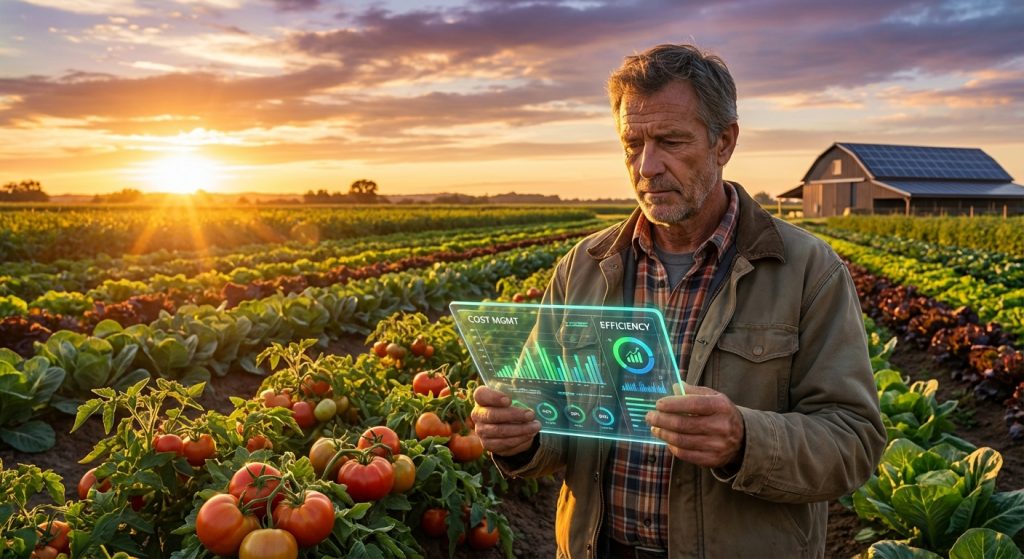
Running a small organic farm is a labor of love. However, managing expenses can feel like a constant battle. From seed purchases to equipment fuel, costs add up quickly. Without a clear system, it’s difficult to know if your farm is truly profitable. Fortunately, a new generation of digital tools can simplify this process. They help you track spending, optimize resources, and ultimately boost your bottom line.
This guide explores the best digital tools for managing your small organic farm’s expenses. We will cover everything from basic accounting software to specialized farm management platforms. As a result, you can make informed financial decisions and cultivate a healthier business.
Why Traditional Expense Tracking Fails
Many farmers still rely on old methods. For example, they might use a shoebox for receipts or a simple paper ledger. While these methods can work for very small operations, they quickly become inefficient. They are prone to errors and make financial analysis nearly impossible.
In addition, complex spreadsheets can be just as problematic. They require significant manual data entry. Moreover, a single formula error can throw off all your calculations. These traditional systems lack the automation and real-time insights needed for modern farming.
The Problem with Manual Methods
Manual expense tracking is incredibly time-consuming. You spend hours sorting receipts instead of being in the field. Furthermore, it’s hard to get a clear, up-to-the-minute view of your financial health. This makes it difficult to react to unexpected costs or opportunities.
Consequently, you might not know which crops are most profitable. You could also overspend on supplies without realizing it. Digital tools solve these problems by automating data capture and providing instant analysis.
The Core Digital Toolkit for Farm Finance
To effectively manage your farm’s finances, you need a core set of digital tools. These platforms form the foundation of a strong financial management system. They help you move beyond guesswork and into data-driven decision-making. Therefore, investing in them is crucial for long-term success.
Accounting and Bookkeeping Software
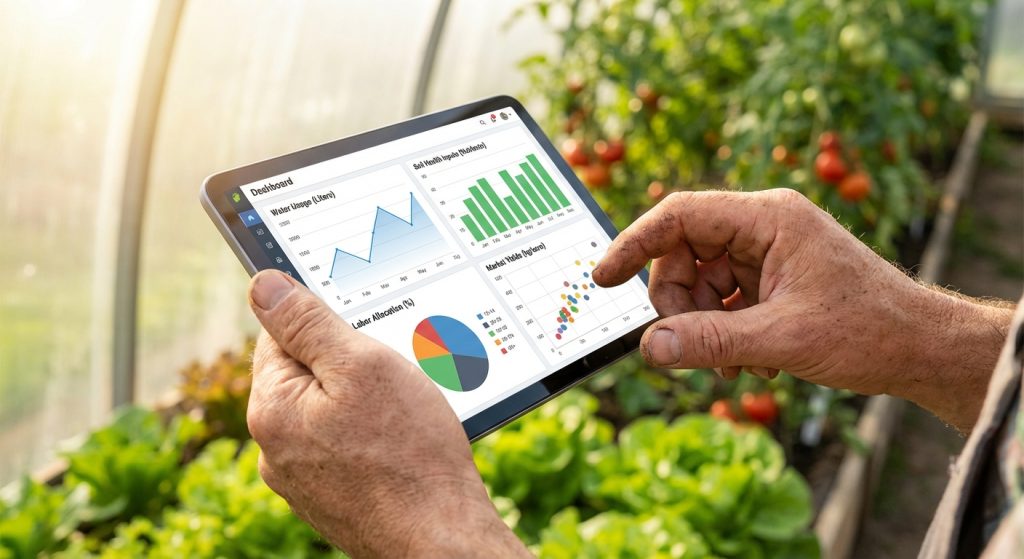
First and foremost, every farm needs good accounting software. Tools like QuickBooks Online, Xero, or Wave are essential. They help you track income and expenses in one central place. Most importantly, they connect directly to your farm’s bank accounts.
This connection automates transaction imports. As a result, you save countless hours of manual entry. Many apps also feature receipt scanning. You can simply take a photo of a receipt with your phone, and the software will digitize the information. This makes tax time significantly less stressful.
Specialized Farm Management Software (FMS)
While general accounting software is great, Farm Management Software (FMS) is a game-changer. Platforms like Agrivi, Tend, or FarmLogs are designed specifically for agricultural operations. They go beyond simple bookkeeping. For instance, they help with crop planning, yield tracking, and task management.
By tracking inputs like seeds, fertilizer, and labor for each field, an FMS gives you precise cost-of-production data. You can see exactly how much it costs to grow each crop. This information is vital for setting prices and maximizing profitability.
Inventory and Supply Management Tools
Managing supplies is another critical area. Running out of seeds or packaging at a key moment can be disastrous. On the other hand, overstocking ties up cash and can lead to waste. Digital inventory tools help you find the right balance.
Some FMS platforms have built-in inventory modules. Alternatively, you can use dedicated apps. These tools track your stock levels in real time. They can even alert you when it’s time to reorder. This is a key part of effective inventory management to minimize warehousing costs and reduce waste.
Advanced Tools for Optimizing Expenses
Once you have the core tools in place, you can explore more advanced platforms. These tools help you fine-tune your operations. They offer deeper insights into labor costs, sales trends, and overall financial planning. Consequently, you can further enhance your farm’s efficiency.
Payroll and Labor Management
Labor is often one of the biggest expenses on a farm. Therefore, managing it efficiently is crucial. Payroll tools like Gusto or Patriot Software automate wage calculations, tax filings, and direct deposits. This saves administrative time and reduces compliance risks.
In addition, time-tracking apps like Homebase or TSheets allow your team to clock in and out from their phones. This provides accurate labor data. You can then assign these labor costs to specific crops or tasks within your FMS, giving you a truer picture of profitability.
Sales and Point-of-Sale (POS) Systems
How you sell your products also impacts your finances. Modern POS systems like Square or Shopify POS do more than just process payments. They are powerful data collection tools. You can use them at the farmers market, in your farm stand, or for online sales.
These systems track which products are selling best and when. This data helps you plan your production for the next season. For example, if kale consistently sells out, you know to plant more. This reduces the risk of unsold inventory and lost revenue.
By integrating sales data with your farm management software, you create a complete loop of information from seed to sale. This gives you unparalleled insight into your business.
How to Choose the Right Tools
With so many options available, choosing the right tools can feel daunting. However, a strategic approach can simplify the decision. The key is to focus on your specific needs and start small. You don’t need to implement everything at once.
Start with Your Biggest Pain Point
What is the most frustrating part of your current financial process? Is it organizing receipts? Or maybe it’s tracking labor hours? Identify your biggest challenge and find a tool that solves it. For many, this starting point is basic accounting software.
Once you are comfortable with that first tool, you can expand. This gradual approach makes the digital transition more manageable. It also ensures you get a return on your investment before buying more software.
Look for Integration Capabilities
The real power of digital tools comes from integration. When your FMS can talk to your accounting software, and your POS can talk to your FMS, you eliminate duplicate data entry. This creates a seamless flow of information across your entire operation.
Before choosing a new tool, check if it integrates with the software you already use. This will save you significant time and effort in the long run. Good integration is a hallmark of a well-designed digital ecosystem.
Frequently Asked Questions (FAQ)
Are these digital tools expensive for a small farm?
Many tools offer affordable subscription plans designed for small businesses. For example, some accounting software has free versions or low-cost tiers. It’s important to weigh the cost against the time saved and the financial insights gained. Often, the return on investment is very high.
Do I need to be a tech expert to use these tools?
No, not at all. Most modern software is designed to be user-friendly and intuitive. They offer extensive support documentation, video tutorials, and customer service to help you get started. The goal of these tools is to simplify your life, not complicate it.
Can I use these tools on my smartphone?
Yes, almost all modern farm management and accounting tools have mobile apps. This is a major advantage. You can capture receipts, check inventory levels, or log tasks while you are in the field, which ensures your data is always current and accurate.
What is the single most important tool to start with?
For most small farms, the best starting point is a solid cloud-based accounting software like QuickBooks Online or Xero. It provides the fundamental framework for tracking all income and expenses, which is the first step toward financial clarity and control.
Conclusion: Cultivating Financial Health
Managing the finances of a small organic farm is complex. However, you don’t have to do it with outdated methods. By embracing digital tools, you can automate tedious tasks, gain valuable insights, and make smarter, data-driven decisions.
Start by adopting a core accounting platform. Then, gradually add specialized farm management, inventory, and sales tools. Each step brings more clarity and control. Ultimately, these tools empower you to not only grow healthy food but also to cultivate a financially resilient and profitable business for years to come.
