
Cheap Logistics: Your Guide to Cross-Border Shipping
Published on Tháng 1 31, 2026 by Admin

Expanding your ecommerce business globally is exciting. However, high shipping costs can quickly shrink your profit margins. Finding cheap logistics solutions is therefore essential for success. This guide provides actionable strategies to help cross-border ecommerce firms reduce shipping expenses, improve efficiency, and delight international customers.
Ultimately, smart logistics is not just about saving money. It is about building a sustainable and scalable international business. By implementing these tips, you can gain a significant competitive advantage.
Why Affordable Logistics is Crucial for Global Success
International shipping is a major hurdle for many online stores. High costs can lead to cart abandonment, as customers are often surprised by the final price at checkout. As a result, competitive shipping rates are no longer a luxury; they are a necessity.
Moreover, efficient logistics directly impacts customer satisfaction. Fast and reliable delivery builds trust and encourages repeat business. On the other hand, a poor shipping experience can damage your brand’s reputation. Therefore, optimizing your logistics is a powerful way to grow your customer base.
The Challenge of Hidden Costs
Cross-border shipping involves more than just freight charges. You must also consider customs duties, taxes, and carrier surcharges. These costs can add up quickly. Without a clear strategy, you might accidentally pass these unexpected fees to your customers, creating a negative experience.
Consequently, understanding the total landed cost is vital. This figure includes the product price, shipping fees, customs, taxes, and insurance. Calculating it accurately helps you price your products competitively and transparently.
Core Strategies to Slash Shipping Costs
Lowering logistics expenses requires a multi-faceted approach. You cannot rely on a single solution. Instead, you should combine several strategies to achieve the best results. Below are some of the most effective methods for cross-border ecommerce businesses.
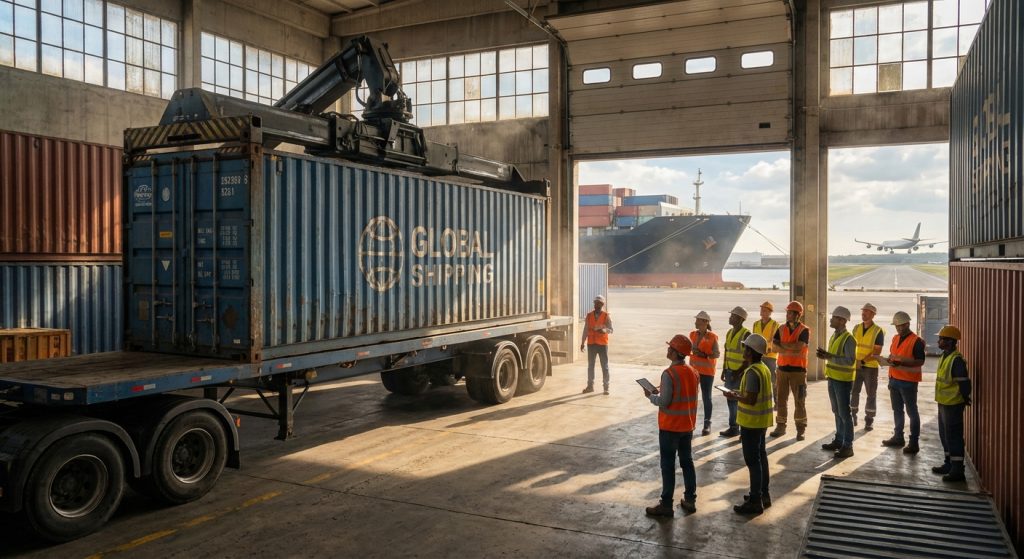
Partner with a Third-Party Logistics (3PL) Provider
Managing international shipping in-house is complex and expensive. For this reason, many businesses partner with a third-party logistics (3PL) provider. These companies specialize in warehousing, order fulfillment, and shipping.
Because 3PLs handle massive shipping volumes, they negotiate significant discounts with major carriers like DHL, FedEx, and UPS. They pass these savings on to you. In addition, 3PLs often have warehouses in multiple countries. This allows you to store inventory closer to your customers, reducing shipping times and costs.
Optimize Your Product Packaging
Carriers often use dimensional weight (DIM weight) to calculate shipping fees. This means the size of your package matters as much as its actual weight. Therefore, oversized packaging can dramatically increase your costs.
You should use the smallest box possible for your products. Use lightweight packing materials like air pillows instead of heavier alternatives. This simple change can lead to substantial savings over time. It also reduces waste, which is a bonus for environmentally conscious brands.
Offer Multiple Shipping Options
Customers have different priorities. Some want their orders as fast as possible and are willing to pay for express shipping. Others, however, prefer to save money and are happy to wait longer. Offering both expedited and economy shipping options caters to everyone.
By providing choices, you reduce the risk of cart abandonment. Customers can select the option that best fits their budget and timeline, which improves the overall shopping experience.
Consolidate Your Shipments
If you send multiple packages to the same region, consolidation can be a game-changer. This involves grouping several individual orders into one larger shipment. The consolidated shipment is sent to a hub in the destination country.
From there, the packages are separated and sent to individual customers using local postal services. This method is significantly cheaper than shipping each order directly from your origin country. It is an excellent strategy for businesses with a high volume of orders to a specific market.
Navigating Customs and Duties Intelligently
Customs can be one of the most confusing aspects of cross-border shipping. Mistakes here can lead to delays, fines, and unhappy customers. Consequently, it is vital to have a clear understanding of the process.
Understand DDP vs. DDU Shipping
There are two primary ways to handle customs duties and taxes:
- Delivery Duty Paid (DDP): You, the seller, pay all customs fees upfront. The customer receives the package with no additional charges. This provides a transparent and seamless experience.
- Delivery Duty Unpaid (DDU): The customer is responsible for paying any customs fees upon delivery. This can lead to surprise costs and frustration for the buyer.
While DDP may seem more expensive for you initially, it often leads to higher customer satisfaction and fewer refused shipments. Many 3PLs and shipping platforms can help you calculate and pre-pay these fees easily.
Use Correct HS Codes
The Harmonized System (HS) code is a standardized number used by customs worldwide to classify products. Using the correct HS code is critical. An incorrect code can lead to your package being held at customs, causing significant delays.
Moreover, it can result in you or your customer paying the wrong amount of duty. Always double-check the HS codes for your products. There are many online tools available to help you find the correct codes for what you sell.
Technology: Your Secret Weapon for Cost Savings
Modern technology offers powerful tools for optimizing logistics. Automating key processes can save you time, reduce errors, and lower costs. Investing in the right software is a crucial step for any scaling ecommerce business.
Implement Shipping Management Software
Shipping software integrates with your ecommerce platform and automatically compares rates from multiple carriers for each order. This ensures you always get the best price without manually checking each carrier’s website. It’s an indispensable tool for efficiency.
Furthermore, these platforms can print shipping labels in bulk, track packages, and automate customs documentation. This significantly reduces the administrative burden of international fulfillment.
Leverage Inventory Management Systems
Knowing where your inventory is and how much you have is essential for cost control. An inventory management system helps prevent stockouts and overstocking. This is especially important when you store products in multiple 3PL warehouses.
By optimizing stock levels, you reduce carrying costs and ensure you can fulfill orders from the most cost-effective location. A good system provides the data needed for smart inventory management and demand forecasting.
Frequently Asked Questions (FAQ)
What is the cheapest way to ship internationally?
Generally, the cheapest method is to use a postal service consolidator. These services combine packages from many companies and use national postal services like USPS for the final delivery. However, this is also one of the slower options.
How can a small business afford international shipping?
Small businesses should leverage shipping aggregators or 3PLs. These partners provide access to discounted shipping rates that are typically only available to large-volume shippers. Additionally, optimizing packaging and offering slower shipping options can make a big difference.
What is a landed cost and why is it important?
Landed cost is the total price of getting a product to a customer, including the product cost, shipping, insurance, customs duties, and taxes. It is important because it shows the true cost of a cross-border sale and helps you price your products profitably and transparently.
Should I offer free international shipping?
Offering free international shipping can be a powerful marketing tool. However, it can be very expensive. A common strategy is to offer free shipping only on orders that exceed a certain value. This helps offset the cost while still incentivizing larger purchases.
Conclusion: Smart Logistics is Smart Business
Reducing cross-border logistics costs is essential for any ecommerce exporter aiming for global growth. It is not about finding one single cheap option. Instead, it involves a strategic combination of partnerships, packaging optimization, technology, and transparent customs handling.
By implementing these strategies, you can lower your expenses and improve the customer experience. Ultimately, this leads to increased profitability and a stronger, more competitive international brand. Start by analyzing your current process and identify one or two areas for improvement today.
