
Future-Proof Your Firm with Modular Labor Cell Design
Published on Tháng 1 30, 2026 by Admin
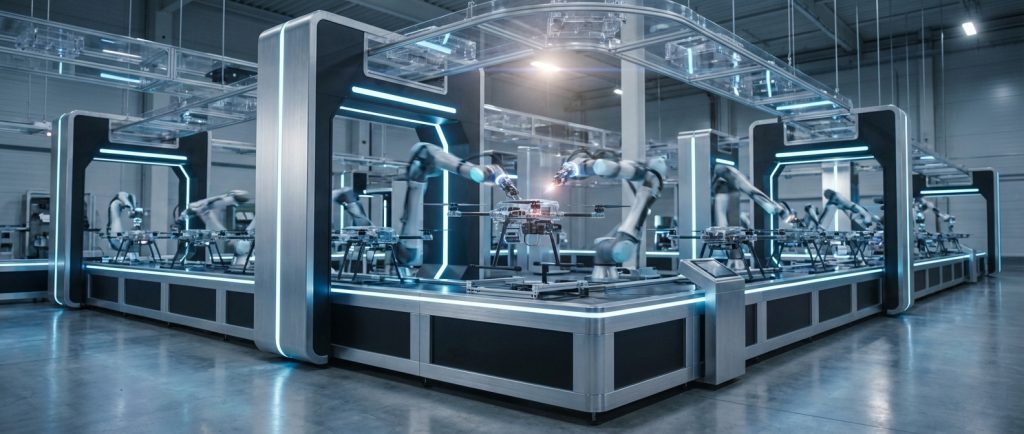
In today’s volatile market, business agility is not a luxury; it is a core survival mechanism. Enterprise Architects face immense pressure to design systems that are both resilient and adaptable. However, traditional organizational structures often hinder this goal. They are rigid, slow to change, and carry significant overhead.
A new approach is emerging: modular labor cell design. This model deconstructs large, monolithic departments into small, specialized, and autonomous teams. As a result, companies can respond to opportunities with unprecedented speed and efficiency. This article explores how Enterprise Architects can champion this transformation to future-proof their organizations.
What is Modular Labor Cell Design?
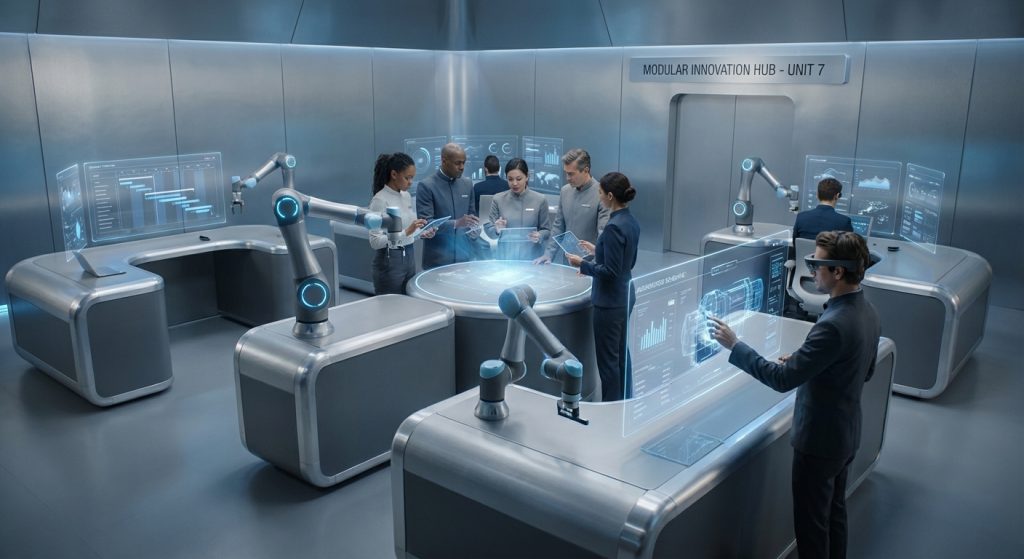
Modular labor cell design is an organizational architecture inspired by microservices in software development. Instead of large, siloed departments, work is performed by small, independent “cells.” Each cell is a self-contained unit with a specific set of skills and a clear function. For example, one cell might handle UI/UX design, while another focuses exclusively on database management.
These cells are not permanent fixtures. Instead, they are assembled for specific projects and can be reconfigured as needs change. This creates a composable enterprise where capabilities can be dynamically combined to meet new challenges. Consequently, the business becomes a fluid ecosystem of talent, not a rigid hierarchy.
Breaking from Tradition
Traditional corporate structures are built for stability, not speed. They feature deep hierarchies and fixed job roles. This model worked well in a predictable world. However, in the current economic climate, this rigidity has become a significant liability.
Modular labor cells, on the other hand, are designed for change. They break down complex projects into smaller, manageable tasks that can be executed in parallel. This approach significantly accelerates project timelines and allows for a more dynamic allocation of resources.
Why Traditional Structures Are Failing
The shortcomings of conventional organizational design are becoming increasingly apparent. Many businesses are struggling to keep pace with rapid technological shifts and fluctuating consumer demands. Their fixed structures are simply too slow and cumbersome.
Enterprise Architects often see this friction firsthand. They design agile technology stacks that are then constrained by inflexible human workflows. This mismatch between technology and organizational structure creates bottlenecks, delays innovation, and ultimately hurts the bottom line.
The Burden of High Overhead
One of the most significant drawbacks of traditional models is the high overhead associated with a large, full-time workforce. Fixed salaries, benefits, and office space represent substantial costs that do not easily scale down during lean periods. As a result, companies often find themselves with excess capacity they cannot afford.
Moreover, when a new skill is required, the traditional hiring process is notoriously slow. It can take months to find, interview, and onboard a new employee. In that time, a market opportunity may have already passed.
The Core Principles of Modular Labor Cells
To truly grasp the power of this model, it is essential to understand its foundational principles. These concepts guide the design and implementation of a modular workforce, ensuring it delivers on the promise of agility and efficiency.
Autonomy and Specialization
Each labor cell operates with a high degree of autonomy. It is given a clear objective and the resources to achieve it. This empowerment fosters ownership and accountability. Because each cell is highly specialized, it can perform its designated function with exceptional expertise and efficiency.
For instance, a “Content Creation Cell” would contain writers, editors, and graphic designers. They would manage their own workflow to produce marketing materials without needing constant oversight from other departments.
Scalability and Elasticity
Perhaps the most compelling benefit for Enterprise Architects is the inherent scalability of the modular design. When a project requires more development power, you can simply spin up additional “Backend API” cells. Conversely, when demand subsides, those cells can be reassigned or deactivated without the painful process of layoffs.
This approach creates a truly elastic workforce model that can expand or contract with project demand. It allows the organization to precisely match its labor capacity to its current needs, eliminating waste.
Reusability and Interoperability
Just like software components, labor cells are designed for reusability. A “Data Analytics Cell” created for a marketing campaign can later be used by the finance department for quarterly reporting. This is possible because cells communicate through standardized processes and interfaces.
Therefore, Enterprise Architects must play a crucial role in defining these standards. Clear protocols for communication, data exchange, and handoffs ensure that different cells can work together seamlessly, regardless of the project.
Reduced Overhead and Variable Costs
Modular design fundamentally changes the cost structure of labor. It shifts spending from fixed overhead to variable expenses. Instead of paying salaries for roles that may be underutilized, the company pays for specific outcomes delivered by each cell.
This model heavily utilizes fractional talent for rapid enterprise growth, engaging experts only when needed. As a result, businesses can access world-class skills without the long-term commitment of a full-time hire, dramatically reducing costs.
An Architect’s Blueprint for Implementation
Transitioning to a modular labor model is a significant architectural change. It requires careful planning and a phased approach. The following steps provide a high-level blueprint for Enterprise Architects leading this transformation.
Step 1: Deconstruct Your Workflows
The first step is to analyze and map existing business processes. Identify the core value streams within the organization. Then, break these large workflows down into their smallest constituent tasks. This deconstruction is critical for identifying potential cell functions.
Step 2: Define Cell Structures and Skills
Next, group the identified tasks into logical, self-contained units. These groupings will form the basis of your labor cells. For each cell, define its primary function, the specific skills required, and its key performance indicators (KPIs).
For example, you might create a “Customer Onboarding Cell” that handles all tasks from initial contact to account setup. Its KPIs would focus on speed and customer satisfaction.
Step 3: Establish Governance and Standards
A modular system can only function with strong governance. Architects must establish clear rules of engagement. This includes defining communication protocols, data formats, security standards, and quality assurance checks. These standards act as the “API” that allows cells to connect and collaborate effectively.
In addition, a technology platform is often necessary to manage this ecosystem. Tools for project management, communication, and talent sourcing become central to the architecture.
Step 4: Pilot and Iterate
Finally, avoid a “big bang” rollout. Start with a small, non-critical project to pilot the modular approach. Assemble a few cells and carefully monitor their performance. Gather feedback from team members and stakeholders. Use these learnings to refine the model before expanding its adoption across the enterprise.
Overcoming Common Implementation Hurdles
No major transformation is without its challenges. Implementing a modular labor design requires navigating cultural, technical, and operational hurdles. Acknowledging these potential issues is the first step toward overcoming them.
Cultural resistance is often the biggest obstacle. Employees may feel threatened by the shift away from traditional job titles and permanent teams. Clear communication about the benefits for both the company and the individual is essential.
Coordination can also be a challenge. With many autonomous cells working in parallel, there is a risk of fragmentation. Therefore, a strong orchestration layer, managed by project or product managers, is needed to ensure all the pieces come together cohesively. The right technology stack is crucial for providing this visibility and control.
The Future is Composable and Agile
Modular labor cell design represents the future of work. It transforms the enterprise from a rigid monolith into a dynamic, composable organization. For Enterprise Architects, this is an opportunity to build a truly adaptive and resilient business.
By embracing principles of modularity, specialization, and scalability, companies can achieve a level of agility that was previously unimaginable. They can innovate faster, control costs more effectively, and ultimately gain a decisive competitive advantage in a world defined by constant change.
Frequently Asked Questions
How is this different from agile squads?
While there are similarities, the key difference lies in scope and permanence. Agile squads are typically cross-functional teams dedicated to a specific product for an extended period. Modular labor cells are more specialized and task-oriented. They are assembled for shorter durations to complete specific functions and can be recombined for entirely different projects, offering greater flexibility.
What is the impact on full-time employees?
This model does not necessarily eliminate full-time roles. Instead, it redefines them. Core full-time employees often become cell leaders, project orchestrators, or subject matter experts who provide governance and quality control. Their role shifts from doing the work to architecting and managing the work of various cells, both internal and external.
What technology is needed to support this model?
A robust technology stack is crucial. Key components include:
- Project Management Platforms: Tools like Jira, Asana, or Trello to assign tasks and track progress.
- Communication Hubs: Platforms like Slack or Microsoft Teams for real-time collaboration.
- Talent Marketplaces: Systems for sourcing and managing fractional or freelance talent.
- Knowledge Management Systems: A central repository for documentation and standards to ensure consistency across cells.
