
Digital Nomads: Fueling the Informal Labor Revolution
Published on Tháng 1 30, 2026 by Admin

The future of work is not just about remote offices. It is a fundamental shift in how value is created and exchanged. At the forefront of this change are digital nomads. These location-independent professionals are more than just travelers with laptops. Consequently, they are a powerful catalyst for a global revolution in informal service labor.
This movement is reshaping local economies across the globe. Moreover, it challenges our traditional ideas about jobs, careers, and economic stability. Understanding this trend is crucial for any business looking to thrive in the coming decades.
What is the Informal Service Labor Revolution?
The informal economy includes any work done outside of government regulation and traditional employment structures. This is not a new concept. However, technology has supercharged it, creating a new, dynamic layer of service labor.
This revolution is built on decentralized networks. It connects individuals directly, often across borders. Unlike the formal gig economy, which often involves large corporations, this space is powered by peer-to-peer (P2P) interactions. As a result, it lowers the barrier to entry for millions of people to offer their skills.
The Nomad’s Role as a Catalyst
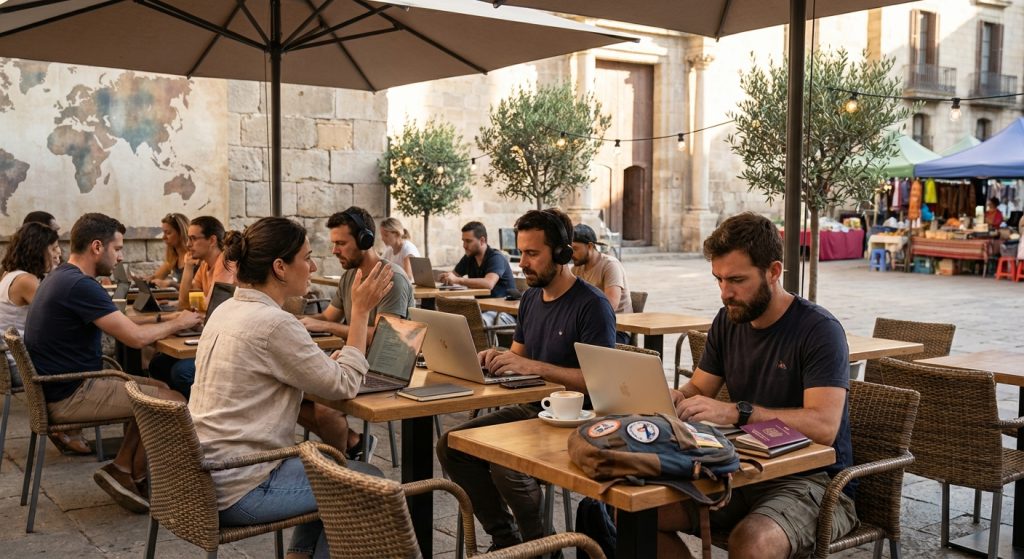
Digital nomads are a key ingredient in this transformation. Their unique lifestyle directly stimulates the growth of informal service markets. They act as both suppliers and, more importantly, consumers of these new services.
When nomads arrive in a new city, they create immediate demand. They need places to live, work, and eat. But their needs go beyond the basics. They seek authentic local experiences, personal assistance, and specialized services that large companies cannot easily provide.
Creating Demand in New Markets
Consider a developer moving to Medellín, Colombia. They might hire a local to find an apartment. They may also pay for a home-cooked meal delivery service. In addition, they could hire a Spanish tutor they find on a local app.
Each of these transactions supports an informal service provider. This creates a vibrant micro-economy that did not exist before. Therefore, the nomad’s spending directly fuels local entrepreneurship and provides new income streams for residents.
Key Technologies Driving This Shift
This revolution would be impossible without specific digital tools. Technology acts as the bridge, connecting the global nomad with the hyper-local service provider. These tools create trust and facilitate seamless transactions in otherwise unregulated environments.
Peer-to-Peer (P2P) Platforms
Mobile applications are the engine of the informal service economy. Platforms for short-term rentals, food delivery, and local tours empower anyone to become a service provider. For example, a local with a passion for history can become a tour guide overnight.
Crucially, these platforms have built-in review and rating systems. This feedback mechanism creates a layer of trust. It allows users to transact with strangers with a degree of confidence, which is essential for the market to function.
Secure and Borderless Payments
Moving money has always been a major challenge in the informal sector. However, modern financial technology has changed the game. Digital wallets and cryptocurrency allow for fast, low-cost payments across borders.
This technology is vital for nomads who earn money in one currency but spend in another. It also provides a secure way to pay local providers who may not have traditional bank accounts. Indeed, the development of secure payments in decentralized service markets is a cornerstone of this entire ecosystem.
Economic and Social Impacts
The rise of this new labor market has profound consequences. It offers incredible opportunities for economic empowerment. At the same time, it presents significant challenges related to worker rights and social safety nets.
Opportunities for Local Economies
For many communities, the influx of digital nomads brings a welcome economic boost. It creates jobs that are flexible and accessible. This allows people to monetize skills they already have, from cooking to driving to language instruction.
Furthermore, this interaction can lead to valuable skill transfers. A local assistant working for a foreign marketing expert, for instance, gains invaluable experience. This can empower them to start their own business in the future.
Challenges and Inherent Risks
However, this informal system has a downside. Workers lack the protections of formal employment. There is no health insurance, no paid time off, and no retirement plan. This leaves them vulnerable to economic shocks and personal emergencies.
There is also the risk of exploitation. The global nature of the market can create a race to the bottom on wages. Without regulation, workers have little recourse if they are treated unfairly. Therefore, navigating the risks of informal labor market integration is a critical task for both workers and the platforms they use.
Conclusion: The Decentralized Future of Work
The connection between digital nomads and the informal service labor revolution offers a glimpse into the future. It shows a world where work is more fluid, decentralized, and project-based. The traditional 9-to-5 job is no longer the only path to a successful career.
This shift brings both promise and peril. It empowers individuals and stimulates local economies in unprecedented ways. However, it also forces us to confront difficult questions about worker protection, social security, and economic fairness.
Ultimately, businesses and policymakers must adapt. They need to create new frameworks that support this flexible workforce while ensuring its members are not left behind. The informal service revolution is already here, and its impact will only continue to grow.
Frequently Asked Questions (FAQ)
How is the informal service economy different from the gig economy?
The gig economy usually involves formal companies (like Uber or Upwork) acting as intermediaries. In contrast, the informal service economy is often more peer-to-peer, with individuals transacting directly through simpler platforms or even social media. It is generally less structured and regulated.
What are the biggest benefits for local communities?
The primary benefits are new income streams and entrepreneurship opportunities. It allows local residents to earn money from a global clientele without leaving their hometown. This can lead to increased prosperity and skill development within the community.
What are the main risks for workers in this new economy?
The main risks are a lack of stability and protection. Workers typically have no access to benefits like health insurance, retirement funds, or paid sick leave. They also face income volatility and have limited legal protection against exploitation or non-payment.
How can businesses tap into this informal labor pool?
Businesses can engage this workforce for specific, project-based tasks. This can be highly efficient for roles that don’t require a full-time employee. For example, a company could hire local informal guides for a corporate retreat or use P2P platforms for hyper-local market research and deliveries.
