
Eco-Luxury: Sustainable Sourcing for High-End Design
Published on Tháng 1 28, 2026 by Admin
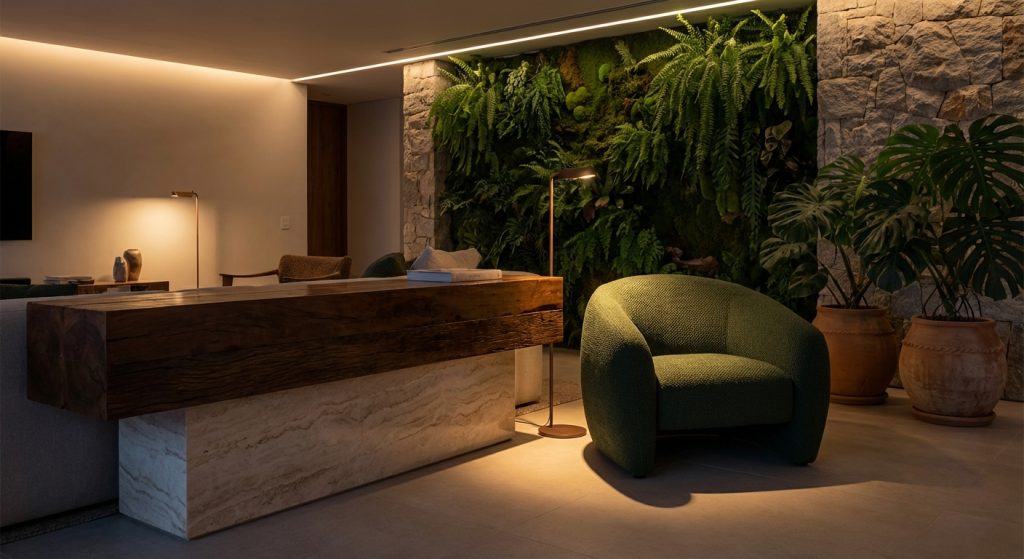
In high-end interior design, the definition of luxury is evolving. It is no longer just about opulent materials and exclusive brands. Today, true luxury also encompasses responsibility, ethics, and sustainability. As a result, clients increasingly seek spaces that are not only beautiful but also kind to the planet. This shift presents a powerful opportunity for luxury interior architects.
Therefore, mastering sustainable sourcing is now a critical skill. It allows you to meet modern client expectations and create projects with deeper meaning. This article provides a comprehensive guide to integrating sustainable practices into your high-end design projects without ever compromising on quality or elegance.
Why Sustainable Sourcing is the New Luxury Standard
Sustainable design has moved from a niche interest to a mainstream expectation. For affluent clients, this change is driven by a greater awareness of environmental and social issues. Consequently, they want their homes to reflect their values.
Moreover, a project’s story becomes much richer when it includes sustainable elements. For example, explaining that a stunning wood floor was reclaimed from a historic building adds a layer of history and character. This narrative enhances the perceived value of the design. In addition, many clients now expect sustainability as a standard feature in their homes.
Enhanced Well-being and Long-Term Value
Sustainable materials often contribute to a healthier indoor environment. For instance, using low-VOC (Volatile Organic Compound) paints and natural finishes improves air quality. This is a significant benefit for health-conscious clients.
Furthermore, sustainable choices can lead to significant long-term savings. High-efficiency windows and proper insulation reduce energy bills. Thoughtful design can also include sustainable energy retrofits for massive luxury estates, creating lasting value. Ultimately, sustainability is an investment in the future of the property and the planet.
Key Principles of Sustainable Sourcing
Effective sustainable sourcing goes beyond just picking “green” materials. It involves a holistic approach that considers the entire lifecycle of a product. Understanding these core principles is therefore essential for making informed decisions.
The Three Pillars: Planet, People, and Prosperity
A truly sustainable choice successfully balances three key areas. Firstly, it considers the planet by minimizing environmental harm. This includes using renewable resources and reducing waste. Secondly, it respects people by ensuring ethical labor practices and fair wages throughout the supply chain. Finally, it promotes prosperity by creating durable, high-quality products that provide long-term economic value and support local economies.
Lifecycle Assessment (LCA): A Deeper Look
Thinking about a material’s entire journey is crucial. A Lifecycle Assessment (LCA) is a method to evaluate the environmental impacts associated with all stages of a product’s life. This process starts from raw material extraction, continues through manufacturing and use, and ends with disposal or recycling.
Consequently, an LCA helps you look past simple marketing claims. It provides a more complete picture of a material’s true sustainability. For example, a product might be made from recycled content but require immense energy to produce. An LCA helps weigh these different factors.
Identifying and Vetting Sustainable Materials
With a world of options available, knowing how to identify genuinely sustainable materials is a vital skill. Architects should rely on clear standards and certifications rather than ambiguous “eco-friendly” labels. This ensures transparency and accountability.
Look for Reputable Certifications
Certifications provide third-party verification of a product’s claims. They are, therefore, one of your most reliable tools. Some of the most recognized certifications in interior design include:
- Forest Stewardship Council (FSC): The Forest Stewardship Council (FSC), for example, ensures that wood products come from responsibly managed forests. This is the gold standard for any wood specification.
- Cradle to Cradle (C2C): This certification assesses products for material health, recyclability, renewable energy use, water stewardship, and social fairness.
- GREENGUARD: This focuses on indoor air quality. GREENGUARD certified products are tested for low chemical emissions, which is critical for creating healthy living spaces.
- Declare: This program offers a transparency “nutrition label” for building products, disclosing all intentionally added ingredients.
Prioritize Reclaimed and Recycled Materials
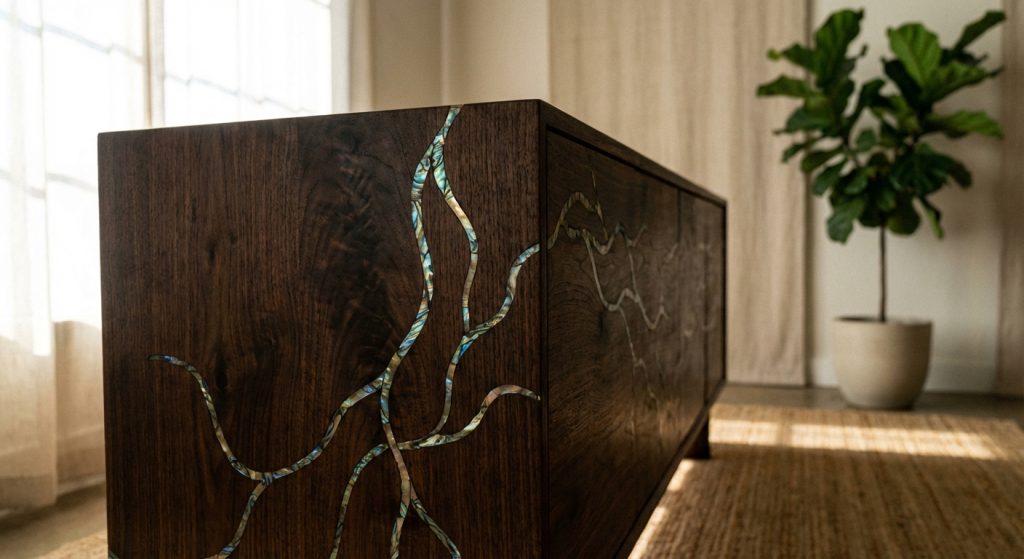
Using reclaimed materials is one of the most effective sustainable strategies. It diverts waste from landfills and reduces the need for new raw materials. Moreover, these materials bring a unique character and history to a space that cannot be replicated.
For instance, consider using reclaimed wood for flooring, wall paneling, or custom furniture. Recycled glass can be transformed into stunning countertops and tiles. In addition, metals like aluminum and brass are highly recyclable and can be specified with high-recycled content for fixtures and hardware.
Choose Rapidly Renewable Resources
Rapidly renewable materials are harvested from plants that grow to maturity within ten years. They offer excellent sustainable alternatives to traditional options. Because they regenerate quickly, their use has a lower impact on the environment.
Bamboo is a popular choice for flooring and cabinetry due to its durability and modern aesthetic. Cork, harvested from the bark of cork oak trees, is another great option for flooring as it is naturally antimicrobial and provides excellent acoustic insulation. Other materials like linoleum (made from linseed oil) and wool carpets are also fantastic, sustainable choices.
Focus on Low-VOC and Natural Finishes
The finishes you choose have a major impact on indoor air quality. Many conventional paints, sealants, and adhesives release Volatile Organic Compounds (VOCs). These chemicals can cause health problems and contribute to indoor air pollution.
Therefore, always specify low-VOC or zero-VOC paints. You can also explore natural finishes. For example, clay or lime plasters create beautiful, textured walls that are breathable and naturally regulate humidity. For wood, natural oils and waxes are a healthier alternative to chemical-heavy varnishes.
Building a Network of Sustainable Suppliers
Your ability to source sustainably depends heavily on your network of suppliers. Building strong relationships with vendors who share your commitment to ethics and quality is essential. This process requires research and a focus on transparency.
Working with Local Artisans and Craftspeople
Collaborating with local artisans is a powerful way to enhance a luxury project. It provides you with truly unique, handcrafted pieces that tell a local story. This approach also significantly reduces the carbon footprint associated with shipping materials from across the globe.
Furthermore, supporting local craftspeople helps sustain traditional skills and boosts the local economy. This adds another layer of meaningful value that discerning clients appreciate. The result is a space that feels authentic and deeply connected to its location.
Vetting International Suppliers for Ethical Practices
When you must source materials internationally, due diligence is critical. Ask potential suppliers direct questions about their labor practices and supply chain transparency. A reputable company should be willing to provide documentation and answer your questions openly.
Always seek suppliers who prioritize not just environmental standards but also social equity. Choosing durable, high-quality materials from ethical sources also aligns with smart luxury estate maintenance cost reduction strategies, as they last longer and require less replacement. This ensures your project’s legacy is one of beauty and integrity.
Frequently Asked Questions (FAQ)
Does sustainable design cost more than traditional high-end design?
Sometimes, the initial cost for certain sustainable materials can be higher. However, this is not always the case. Moreover, these materials often provide significant long-term savings through lower energy bills, reduced water usage, and greater durability. The added value in terms of client health, project narrative, and marketability also provides a substantial return on investment.
How can I convince a hesitant client to choose sustainable options?
Focus on the tangible benefits that define modern luxury. First, highlight the improved indoor air quality and overall well-being. Second, share the compelling story behind a reclaimed material or a handcrafted piece. Finally, explain the long-term financial advantages and the durability of sustainable choices. Frame it as an intelligent, forward-thinking investment rather than a compromise.
What is the easiest first step to start sourcing more sustainably?
A great way to start is by focusing on one material category. For instance, you could commit to using only FSC-certified or reclaimed wood in your next project. Once you are comfortable with that, you can expand to specifying low-VOC paints, then recycled-content metals. Taking small, deliberate steps makes the transition manageable and builds momentum over time.
Conclusion: The Future is Green Luxury
Sustainable sourcing is no longer an alternative; it is the future of high-end interior design. It redefines luxury to include a deeper sense of purpose, health, and connection to the natural world. By embracing this evolution, architects can create spaces that are not only visually stunning but also ethically sound and environmentally responsible.
Ultimately, this approach allows you to deliver unparalleled value to your clients. You can build a legacy of beautiful, enduring, and conscientious design. The time to lead the change towards a more sustainable and luxurious future is now.
“`
