
Future-Proof Your Legacy: Estate Energy Retrofits
Published on Tháng 1 27, 2026 by Admin
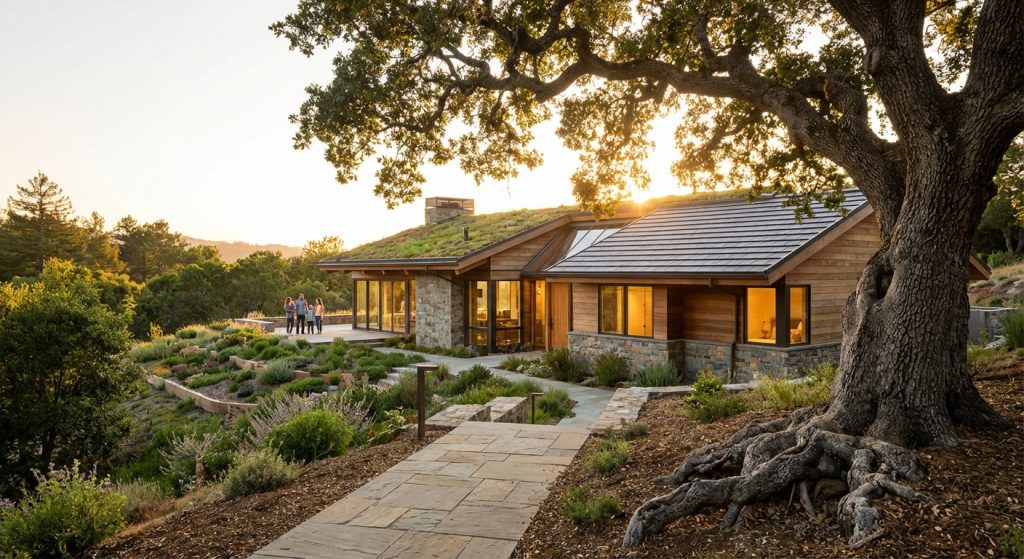
Transforming a massive luxury estate into a model of sustainability is a profound statement. It moves beyond mere opulence. As a result, it demonstrates a commitment to the future. This guide explores sustainable energy retrofits for large properties. We will cover the key technologies, financial benefits, and strategic approaches. Consequently, you can turn your estate into a beacon of green innovation.
This is not just about environmentalism. It is about intelligent asset management. Ultimately, a sustainable retrofit enhances property value, reduces operational costs, and secures a legacy of responsible leadership for generations to come.
Why Retrofit Your Luxury Estate for Sustainability?
The decision to retrofit a luxury estate is a significant one. However, the reasons extend far beyond simple eco-consciousness. It represents a strategic fusion of financial acumen and forward-thinking values. This choice redefines what luxury means in the 21st century.
Beyond Philanthropy: A Smart Financial Strategy
Firstly, sustainable retrofits deliver a compelling return on investment. Generating your own power drastically cuts enormous utility bills. Moreover, energy-efficient systems require less upkeep. This directly lowers the costs of ongoing luxury estate maintenance.
In addition, these upgrades significantly increase your property’s market value. A self-sufficient, green estate is a rare and highly desirable asset. It appeals to a new generation of buyers who prioritize both luxury and sustainability. Therefore, it is a sound investment in the property’s long-term financial health.
Leading by Example: A Legacy of Responsibility
Owning a landmark estate comes with a unique platform. Retrofitting your property makes a powerful statement. It showcases a commitment to environmental stewardship. Furthermore, it positions you as a leader in a global shift toward sustainability.
This action inspires others within your sphere of influence. It sets a new standard for the luxury real estate market. Ultimately, your estate becomes more than just a home; it becomes a symbol of progress and a core part of a lasting, positive legacy.
Key Areas for High-Impact Energy Retrofits
A successful retrofit targets several key areas of the estate. A holistic approach ensures maximum efficiency and impact. By integrating various technologies, you can create a truly self-reliant and sustainable property.
Power Generation: Achieving Energy Independence
On-site power generation is the cornerstone of a sustainable estate. It provides energy security and drastically reduces reliance on the grid. Several powerful options exist.
- Solar Power: Modern solar solutions are both powerful and discreet. Large-scale rooftop arrays or ground-mounted systems can power the entire estate. In addition, aesthetic options like solar roof tiles integrate seamlessly into the property’s design.
- Geothermal Energy: This technology uses the earth’s stable underground temperature to heat and cool the estate. Geothermal systems are incredibly efficient and have a very low visual profile, preserving your landscape’s beauty.
- Battery Storage: Large-scale battery systems, like a Tesla Powerwall array, store excess energy generated by solar or other sources. This ensures a constant power supply, even at night or during grid outages.
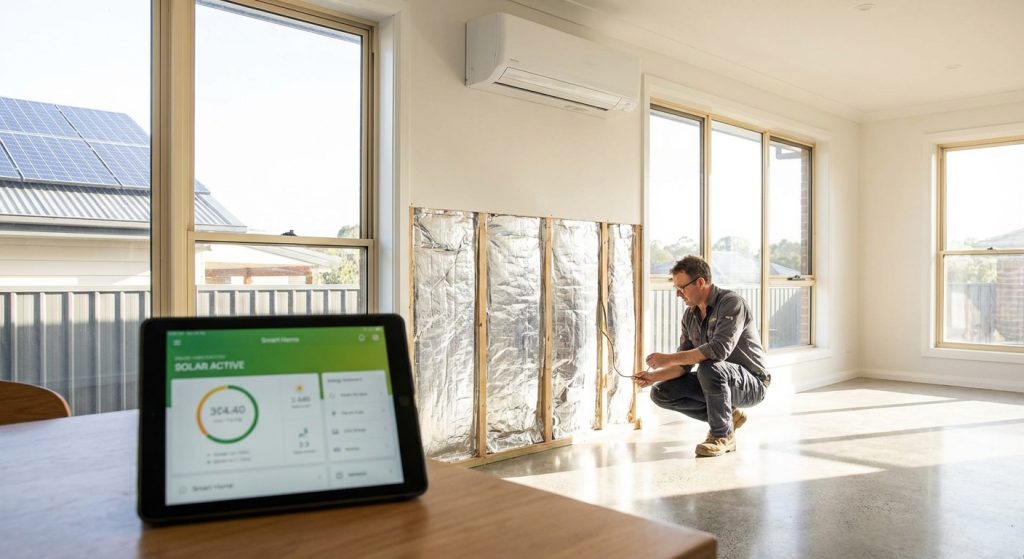
The Building Envelope: Sealing for Efficiency
The “building envelope” refers to the shell of your home. A well-sealed envelope prevents energy waste. Consequently, it is a critical first step in any retrofit project.
Upgrading to high-performance, triple-glazed windows and doors can dramatically reduce heat loss. For example, these installations improve comfort and lower HVAC costs. In addition, using advanced insulation in walls, attics, and floors is essential. This ensures the energy you produce for heating and cooling stays inside.
Intelligent Systems: The Brains of the Operation
Smart technology ties everything together. It automates and optimizes energy use across the estate. This provides both convenience and maximum efficiency.
A comprehensive smart home automation system is crucial. It can manage lighting, thermostats, and even window shades based on occupancy, time of day, and sunlight. Moreover, a dedicated energy monitoring dashboard offers real-time insights. It allows you to track energy production and consumption, helping you make informed decisions to further reduce your carbon footprint.
The Retrofit Process: A Phased Approach
Retrofitting a massive estate requires careful planning and execution. A phased approach ensures the project runs smoothly, stays on budget, and minimizes disruption to your life. This methodical process guarantees a high-quality outcome.
Step 1: The Comprehensive Energy Audit
The journey begins with a detailed energy audit. This is not a simple inspection. Instead, it is an in-depth analysis conducted by specialized engineers. They use tools like thermal imaging and blower door tests to identify every point of energy loss.
The audit provides a complete picture of your estate’s current energy performance. As a result, it forms the basis for a strategic retrofit plan. It highlights the areas that will provide the greatest impact and return on investment.
Step 2: Strategic Planning and Design
With the audit data, you can begin planning. This phase involves working with architects, designers, and energy consultants. The goal is to create a cohesive plan that aligns with your aesthetic vision and sustainability goals.
Together, you will prioritize projects. For instance, you might start with insulation and windows before moving to solar panel installation. The design process focuses on integrating new technologies seamlessly into the existing architecture of your estate.
Step 3: Implementation and Integration
This is the execution phase. A project manager will oversee the installation of all new systems. By phasing the implementation, work can be done on different parts of the estate at different times. This approach significantly reduces disruption.
Quality craftsmanship is paramount. Using certified installers ensures that all equipment, from geothermal loops to smart home sensors, is installed correctly and functions as part of an integrated, efficient system.
Financial Incentives and Long-Term Value
The financial case for a sustainable retrofit is exceptionally strong. Beyond operational savings, significant incentives and a substantial increase in asset value make it a wise economic decision.
Unlocking Tax Benefits and Rebates
Governments often encourage green energy adoption through financial incentives. These can include substantial federal tax credits for solar and geothermal installations. State and local programs may offer additional rebates or property tax abatements. In fact, some regions have programs where green retrofits can lead to a reduction in property tax assessments for a number of years. An expert can help you navigate these programs to maximize your financial return and cut global luxury property taxes effectively.
Enhancing Asset Value and Marketability
A sustainable luxury estate is a premium asset. It stands out in a crowded market. Studies show that properties with green certifications and energy-efficient features command higher prices. For example, a recent analysis suggests that homes with comprehensive green retrofits can see a property value increase of up to 15% or more.
This “green premium” is likely to grow. As energy costs rise and climate concerns become more urgent, a self-sufficient and resilient estate becomes an increasingly valuable and marketable asset for the future.
Frequently Asked Questions (FAQ)
What is the typical ROI on a major energy retrofit?
The return on investment varies based on the project’s scope and local energy costs. However, many owners see significant operational savings immediately. A full payback period can range from 7 to 15 years. This calculation does not include the immediate increase in property value, which can be substantial.
Can sustainable retrofits be aesthetically pleasing?
Absolutely. Modern sustainable design prioritizes aesthetic integration. Solar roof tiles look like traditional high-end roofing materials. Geothermal systems are buried underground and completely invisible. In addition, smart lighting and other features are designed to be sleek and minimalist, enhancing the luxury feel of the home.
How long does a full estate retrofit take?
The timeline depends on the size of the estate and the complexity of the projects. A comprehensive retrofit is often phased to manage disruption. For example, the entire process could take anywhere from 6 to 24 months from the initial audit to final commissioning of all systems.
Will this make my estate completely “off-grid”?
It can. A combination of robust solar generation and large-scale battery storage can make an estate fully energy independent. However, most owners choose a hybrid approach. They remain connected to the grid as a backup for ultimate reliability, only drawing power in rare emergencies.
Conclusion: Your Legacy, Powered by the Future
A sustainable energy retrofit is one of the most impactful investments you can make in your luxury estate. It is a decision that pays dividends financially, environmentally, and personally. You reduce your carbon footprint while enhancing your property’s value and resilience.
Ultimately, this transformation creates more than just an efficient home. It builds a powerful legacy of innovation, responsibility, and foresight. Begin your journey toward a sustainable legacy today.
