
Vintage Car Care: Your Portfolio Maintenance Schedule
Published on Tháng 1 27, 2026 by Admin

Why a Formal Schedule Protects Your Investment
A collection of vintage cars is more than just a hobby; it’s a portfolio of appreciating assets. Therefore, a haphazard approach to maintenance is a major financial risk. A formal schedule transforms car care from a reactive chore into a proactive strategy. It helps prevent catastrophic failures, which are often far more expensive than regular upkeep.Moreover, consistent care ensures each vehicle is ready to be driven and enjoyed at a moment’s notice. It also creates an impeccable service history. This detailed documentation is crucial for maximizing worth. In fact, a well-documented car can command a significantly higher price, making it essential to protect your assets and guide luxury resale value.
The Core Benefits of Scheduled Maintenance
Firstly, it preserves the vehicle’s originality and condition. Secondly, it drastically reduces the likelihood of costly, unexpected breakdowns. Finally, it provides peace of mind, knowing your entire collection is in prime shape. This structured approach is a cornerstone of professional collection management.
Creating Your Multi-Tiered Maintenance Calendar
A successful maintenance plan categorizes tasks by frequency. Because not all services are needed at the same time, a tiered system prevents unnecessary work while ensuring critical items are never missed. We can break this down into three primary tiers: frequent checks, periodic services, and long-term preservation tasks.
Tier 1: Frequent Checks (Weekly or Bi-Weekly)
These are simple, quick inspections you can perform in minutes. Their goal is to catch small issues before they escalate. Consequently, these checks are the first line of defense for your collection.
- Fluid Levels: Quickly check the engine oil, coolant, and brake fluid. Low levels can indicate a leak that needs immediate attention.
- Tire Pressure: Visually inspect tires for proper inflation and any signs of damage. Proper pressure is vital for safety and tire longevity.
- Battery Health: If cars are not driven weekly, connect them to a battery tender. This prevents battery drain and extends its life significantly.
- Visual Inspection: Walk around each car. Look for any new drips, leaks, or cosmetic issues that may have appeared.
Tier 2: Periodic Services (Monthly to Quarterly)
These tasks require a bit more involvement but are crucial for the operational health of your vehicles. You should perform them every month or at least once per quarter, depending on how often each car is driven.
- Start and Run: Start each car and let it run for at least 15-20 minutes. This circulates fluids, charges the battery, and keeps mechanical parts lubricated.
- Short Drive: A brief drive around the block helps engage the transmission, brakes, and suspension. It prevents seals from drying out.
- Check Lights and Wipers: Test all exterior lights, turn signals, and windshield wipers to ensure they are functioning correctly.
Tier 3: In-Depth Services (Semi-Annually and Annually)
This tier involves more comprehensive maintenance that forms the backbone of your car’s service history. Many owners schedule these services with a trusted professional restoration or maintenance shop.
- Oil and Filter Change: This should be done based on mileage or at least annually, regardless of use. Old oil can become acidic and damage engine components.
- Brake System Inspection: A thorough check of brake pads, rotors, lines, and fluid is a non-negotiable safety requirement.
- Fuel System Care: Use a fuel stabilizer, especially for cars that will be stored for several months. This prevents the fuel from degrading and clogging lines.
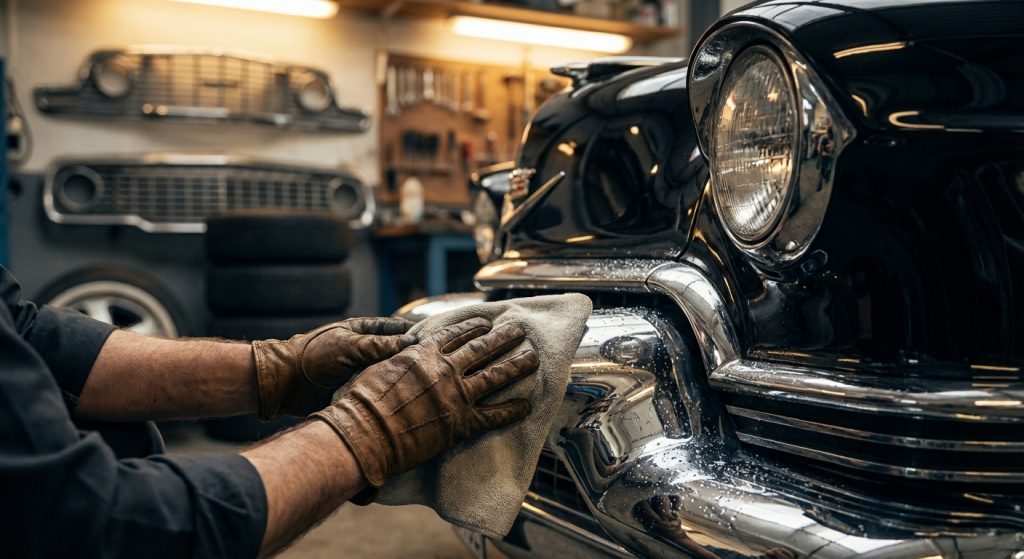
- Detailed Cleaning: A full interior and exterior detail not only keeps the car looking its best but also helps identify potential rust or paint issues early.
Documenting Everything: The Logbook Is King
Every check, every service, and every part replaced must be recorded. A detailed logbook for each vehicle is one of its most valuable accessories. This record proves a history of meticulous care to future buyers and insurance adjusters.Your logbook should include the date, mileage, a description of the service performed, and any receipts for parts or labor. This comprehensive documentation is a key component of tax-efficient luxury car collection management plans, as it substantiates the vehicle’s condition and value.
Keeping detailed records is not just about maintenance; it’s about building a vehicle’s provenance. A car with a story and a documented history is always more valuable.
Special Considerations for Diverse Portfolios
Managing a collection with cars from different eras or countries of origin adds another layer of complexity. For example, a pre-war American car has vastly different needs than a 1970s Italian exotic. British cars from the 1960s might have unique electrical system quirks.Therefore, your maintenance schedule must be customized for each vehicle. Research the specific common failure points and recommended service intervals for each model in your portfolio. Creating a unique checklist for each car is a best practice for serious collectors. This ensures that specific needs, such as carburetor tuning or valve adjustments, are not overlooked.
Frequently Asked Questions
How often should I actually drive my vintage cars?
Ideally, a short drive every 2-4 weeks is sufficient to keep all systems in good working order. This prevents seals from drying out, keeps the battery charged, and avoids flat spots on tires. However, avoid very short trips where the engine doesn’t fully warm up.
What is the most critical aspect of long-term storage?
For storage longer than a few months, three things are paramount. First, use a high-quality fuel stabilizer. Second, connect the battery to an intelligent trickle charger or tender. Finally, store the car in a climate-controlled environment to protect it from humidity and temperature extremes.
Can I perform all this maintenance myself?
Many collectors enjoy performing the Tier 1 and Tier 2 checks themselves. It’s a great way to stay connected with your collection. However, for in-depth Tier 3 services, we highly recommend using a professional mechanic or restoration expert who specializes in vintage vehicles. Their expertise is invaluable for complex jobs and proper inspections.
Does the type of car change the schedule?
Absolutely. A high-strung, complex car like a vintage Ferrari will require more frequent and specialized attention than a simple, robust classic like a Ford Model A. Always tailor your schedule to the specific needs of each vehicle in your portfolio.
Conclusion: A Strategy for Lasting Value
Managing a vintage automotive portfolio is a serious undertaking. By implementing a structured, multi-tiered maintenance schedule, you move from being a simple owner to a strategic custodian. This proactive approach not only ensures your cars are always ready for the road but also protects their long-term financial value.In conclusion, remember to perform frequent checks, schedule periodic services, and never skip the in-depth annual maintenance. Document every action meticulously. By following these principles, you will ensure your collection remains a source of pride, enjoyment, and appreciating value for many years to come.“`
