
Protect Your Assets: A Guide to Luxury Resale Value
Published on Tháng 1 27, 2026 by Admin
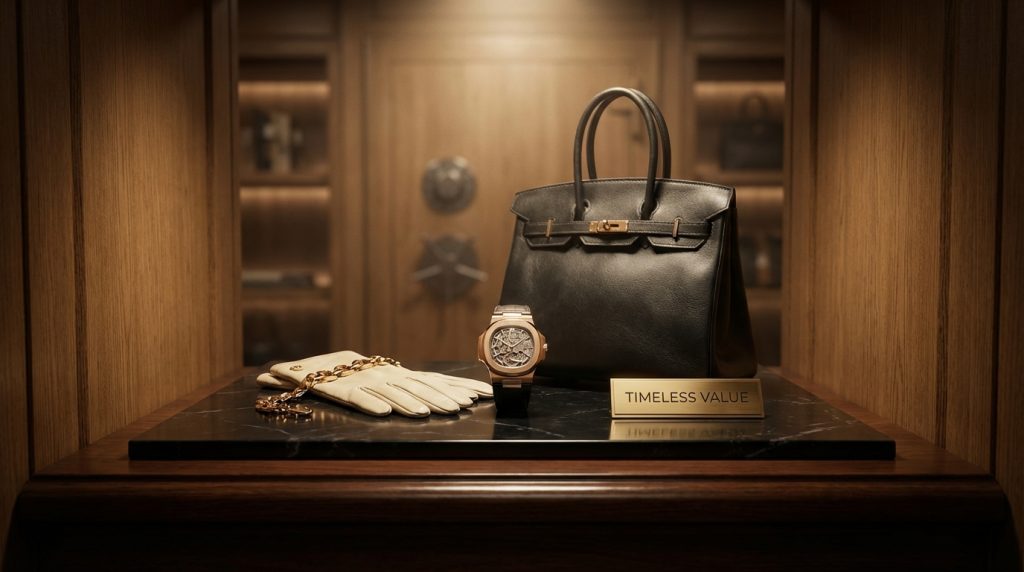
Luxury fashion is more than just an expense. In fact, it can be a savvy financial strategy. With the right knowledge, your designer purchases can hold or even increase in value over time. This transforms your closet from a collection of beautiful items into a portfolio of tangible assets.
This guide explores how to leverage designer brands for resale value protection. We will cover which brands to choose and how to care for your items. Ultimately, you will learn to make smarter purchasing decisions that pay off in the long run.
Why Your Wardrobe Is a Potential Asset
The perception of luxury goods is changing dramatically. Previously, a designer handbag was seen purely as a consumer product. Its value would decrease the moment you left the store. However, the booming secondary market has completely altered this dynamic.
Today, many luxury items are considered investments. This is because the demand for certain pieces far outstrips their supply. As a result, savvy enthusiasts can now acquire items with the confidence that they might recoup their initial spend, or even make a profit, upon resale.
The Rise of the Secondary Market
The global luxury resale market has experienced explosive growth. This surge is fueled by a new generation of consumers. They value sustainability, accessibility, and the investment potential of fashion. Consequently, platforms dedicated to pre-owned luxury have become mainstream.
This robust marketplace provides liquidity for your assets. Therefore, it is easier than ever to sell a well-maintained designer piece. This shift confirms that thoughtful spending on branded goods can be a wise investment rather than simple vanity.
Identifying Investment-Grade Designer Brands
Not all luxury brands are created equal when it comes to resale value. Certain houses have a long history of craftsmanship, exclusivity, and consistent price increases. These factors make them blue-chip investments in the fashion world.
The Holy Trinity: Hermès, Chanel, and Louis Vuitton
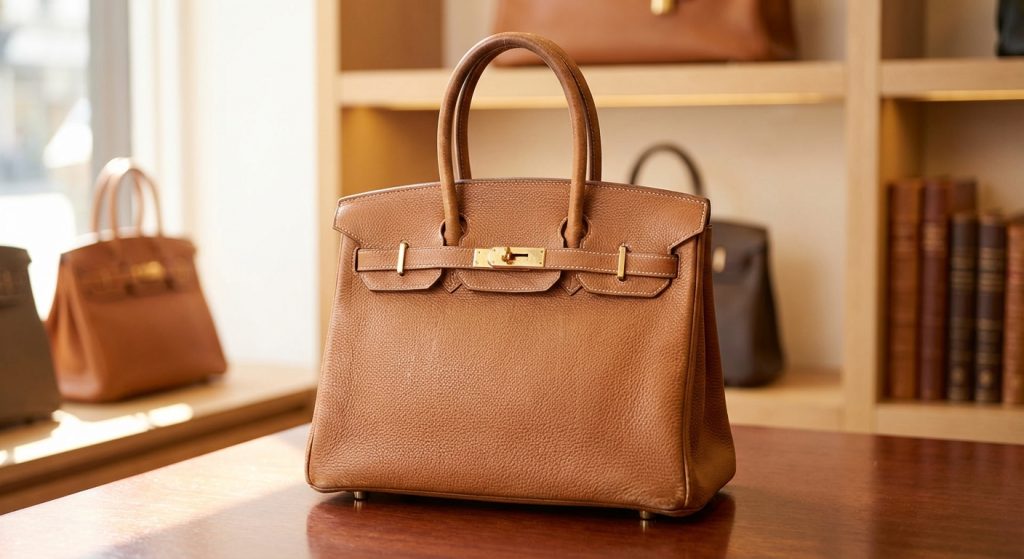
These three brands form the pinnacle of resale value. Firstly, Hermès is legendary for its scarcity. The Birkin and Kelly bags often sell for more on the pre-owned market than their original retail price. This is due to long waitlists and controlled production.
Similarly, Chanel’s classic flap bags are iconic assets. The brand regularly increases its prices, which directly boosts the value of existing bags. Louis Vuitton also performs exceptionally well, especially its classic monogram canvas items and limited editions.
Emerging Contenders and Niche Stars
Beyond the top three, other brands show strong resale potential. For example, Goyard and Dior have seen their popularity and resale values climb steadily. Their classic designs and brand heritage attract serious collectors.
In addition, the world of haute horlogerie offers incredible opportunities. Certain watch models from brands like Rolex, Patek Philippe, and Audemars Piguet are renowned for appreciating in value. Understanding your watch as an asset opens another dimension of luxury investment.
Factors That Signal High Resale Value
Several key characteristics indicate that an item will perform well on the secondary market. You should look for these signals before making a purchase. They are crucial indicators of a sound investment.
- Brand Heritage: Brands with a long and storied history often command more respect and higher prices.
- Timeless Design: Classic styles that transcend seasonal trends are always in demand.
- Scarcity and Exclusivity: Limited editions, discontinued models, and items with low production numbers are highly sought after.
- Superior Craftsmanship: Items made with high-quality materials and exceptional skill will last longer and retain their beauty.
Strategic Purchasing for Maximum Resale Value
Buying with resale in mind requires a strategic approach. It involves prioritizing long-term appeal over short-term trends. This disciplined method is essential for protecting your capital.
Choose Classic Styles Over Fleeting Trends
A trendy “it” bag may be popular for a season, but its value can plummet quickly. In contrast, a classic design remains desirable for decades. For instance, the Chanel 2.55, the Lady Dior, and the Hermès Constance are timeless pieces that consistently fetch high prices.
When you invest in a classic, you are buying a piece of fashion history. Its enduring appeal provides a strong foundation for its future value. Therefore, always lean towards iconic models.
The Importance of Color and Material
Your choice of color and material also has a significant impact. Neutral colors like black, beige, tan, and grey are generally the safest bets. They are versatile and appeal to a broader range of buyers.
Moreover, durable materials are key. For handbags, robust leathers like Chanel’s Caviar or Hermès’ Togo are known for their resilience. These materials wear well over time, which helps the item maintain its pristine condition and, consequently, its value.
Protecting Your Investment: Care and Documentation
Once you acquire a luxury piece, its preservation becomes paramount. The condition of an item is one of the most critical factors in determining its final resale price. Meticulous care is non-negotiable.
Proper storage and maintenance are just as important as the initial purchase decision. Neglecting your items is like neglecting a financial asset.
Meticulous Maintenance and Storage
Proper care starts with correct storage. Always keep handbags in their provided dust bags. Stuff them with acid-free paper to help them maintain their shape. Furthermore, store them in a cool, dry place away from direct sunlight to prevent color fading.
For watches, regular servicing by an authorized dealer is essential to keep the movement in perfect working order. For shoes, use shoe trees to preserve their shape and store them in their boxes.
Keep Everything: The “Full Set” Advantage
Serious collectors and buyers almost always prefer a “full set.” This means you have kept every single thing that came with the original purchase. Retaining these items can significantly increase your item’s resale value.
This includes:
- The original box and packaging
- The dust bag
- The original receipt or proof of purchase
- Authenticity cards, booklets, and tags
A full set provides provenance and assures the buyer of the item’s authenticity. As a result, it makes your listing far more attractive and valuable.
Conclusion: Fashion as a Tangible Asset
In conclusion, leveraging designer brands for resale value is a smart and rewarding endeavor. It requires a shift in mindset from pure consumerism to strategic collecting. By choosing iconic brands, classic styles, and maintaining your items with care, you can build a wardrobe that is not only beautiful but also financially sound.
Your luxury pieces can be much more than simple accessories. With the right strategy, they become tangible assets that protect your capital and offer the potential for significant returns. This makes the world of high fashion an exciting new frontier for savvy investors.
Frequently Asked Questions (FAQ)
Which specific items hold their value best?
Generally, classic handbags from Hermès (Birkin, Kelly), Chanel (Classic Flap, 2.55), and Louis Vuitton (Speedy, Neverfull) are top performers. In addition, sports model watches from Rolex (Submariner, Daytona) and Patek Philippe (Nautilus) are famous for appreciating in value.
Does condition matter more than rarity?
Both are extremely important, but they serve different roles. For a common classic item, condition is paramount. However, for an extremely rare or highly coveted limited edition, a buyer might overlook minor imperfections. For maximum value, you ideally want a rare item in pristine condition.
Is it better to sell privately or through a consignment store?
This depends on your priorities. Selling privately may yield a higher profit, but it requires more effort in marketing, negotiation, and handling shipping. On the other hand, using a reputable consignment platform is much easier. They handle authentication, photography, and sales for a commission, offering convenience and security.
How do I authenticate my luxury items before selling?
Authenticity is crucial. If you are selling through a major resale platform, they will have an in-house authentication process. If selling privately, you can use a professional third-party authentication service. They can provide a certificate of authenticity for a fee, which gives your buyer peace of mind and can justify a higher price.
