
App Secrets: Cut Costs with Smart Inventory & Procurement
Published on Tháng 12 25, 2025 by Admin
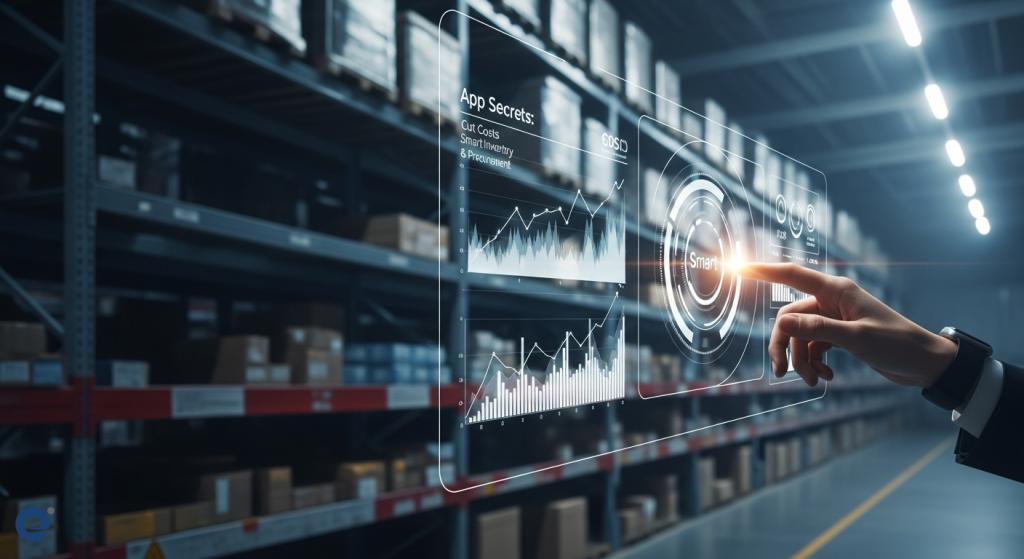
Optimizing inventory and material procurement is vital for retail shop owners and small manufacturers. Apps offer powerful solutions. This guide reveals the secrets to cutting costs and boosting profitability. Learn how to leverage technology for better management.
The Core of Cost Control: Inventory Management
Effective inventory management is the bedrock of cost control. It means having the right products at the right time. Too much stock ties up capital. Too little leads to lost sales. Therefore, precise tracking is essential.
Why Accurate Inventory Matters
Accurate inventory management gives you control over stock levels. This reduces excessive ordering. By tracking ingredient usage and monitoring expiration dates, you minimize waste. Implementing first-in, first-out (FIFO) rotation is key. This practice can help reduce food waste by up to 25% according to a study by the Cornell University School of Hotel Administration. Consequently, this leads to significant cost savings.
Chipotle is a prime example of efficient inventory management. They use advanced tracking technology and data analytics. This helps them manage ingredient usage and optimize their supply chain. As a result, they minimize food spoilage and avoid overstocking, saving money.
Inventory Management Apps: Your Digital Advantage
Modern apps transform inventory management. They offer real-time tracking. You can monitor stock levels instantly. Many apps integrate with sales data. This allows for better demand forecasting.
For example, apps can alert you when stock is low. They can also identify slow-moving items. This helps you make informed decisions about reordering. Furthermore, some apps can even automate purchase orders. This frees up your valuable time.
Material Procurement: Smarter Sourcing Strategies
Material procurement is where you buy the goods you need. Negotiating with suppliers is crucial. Effective procurement directly impacts your bottom line. It’s not just about the lowest price. It’s about value and reliability.
The Power of Negotiation
Negotiating with suppliers can secure better pricing. Organizations with effective negotiation strategies achieve an average cost reduction of 12.7% according to the Chartered Institute of Procurement and Supply (CIPS). You can leverage your purchasing power. Request competitive pricing, discounts, or rebates. Long-term contracts often yield better terms.
Burger King, for instance, negotiates with its suppliers. This ensures favorable pricing for ingredients and packaging. They manage supplier relationships to control costs effectively.
Procurement Apps: Streamlining Your Supply Chain
Procurement apps simplify the buying process. They help you find and manage suppliers. You can compare quotes easily. Many apps track supplier performance. This ensures you work with reliable partners.
These tools can also manage purchase orders. They streamline communication with vendors. This reduces errors and delays. Ultimately, this leads to a more efficient supply chain.
Key App-Driven Strategies for Optimization
Leveraging technology is no longer optional. It’s a necessity for competitive businesses. Apps provide the tools to optimize both inventory and procurement.
Bulk Purchasing and Volume Discounts
Buying in bulk can lead to significant savings. Wholesalers often offer volume discounts. You can benefit from these economies of scale. However, careful analysis is needed. Ensure the cost benefits outweigh the risks of overstocking or higher storage costs. Procurement apps can help you analyze these costs effectively.
You can use these apps to track your purchase history. This data helps you predict future needs. It also informs your bulk buying decisions. As a result, you can maximize savings without taking on too much risk.
Just-In-Time (JIT) Inventory
The Just-In-Time (JIT) strategy means ordering parts only as needed. This keeps inventory levels low. It reduces storage costs. However, JIT requires precise demand forecasting. You also need reliable suppliers for quick turnaround. Inventory management apps are crucial for JIT success. They provide the real-time data needed for accurate forecasting.
This strategy is popular across many supply chains. It keeps operations lean and cost-effective. But, it has risks. If demand spikes unexpectedly, you might run out of stock. Therefore, a robust forecasting system is essential.
Vendor-Managed Inventory (VMI)
In Vendor-Managed Inventory (VMI), suppliers manage your inventory. They take responsibility for replenishment. This can significantly reduce your administrative burden. Suppliers often have better forecasting expertise for their own products. VMI can ensure you always have the parts you need.
However, this strategy relies heavily on trust. You must have confidence in your supplier’s ability to deliver on time. Apps can help monitor VMI performance. They provide transparency and accountability.
Supply Source Diversification
Relying on a single supplier is risky. Issues with that supplier can disrupt your entire operation. Diversifying your supply sources mitigates this risk. It ensures you have backup options. This is especially important in volatile markets. Procurement apps can help you manage multiple supplier relationships and contracts.
By having multiple suppliers, you can also foster competition. This can lead to better pricing and service. It builds resilience into your supply chain.
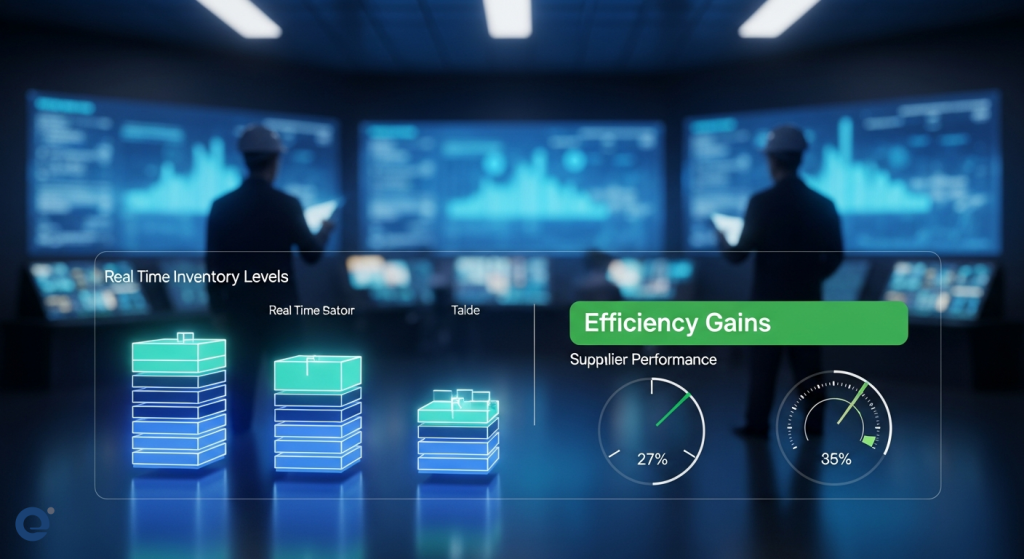
Leveraging Apps for Material Procurement Costs
Apps can revolutionize how you source materials. They offer efficiency and cost-saving opportunities. Let’s explore some specific ways apps help.
Automating Purchase Orders
Manually creating purchase orders is time-consuming. It’s also prone to errors. Procurement apps can automate this process. You can set reorder points. When stock hits these levels, an order is generated automatically. This ensures you never run out of essential materials.
This automation saves countless hours. It frees up staff for more strategic tasks. Therefore, it directly contributes to operational efficiency.
Supplier Comparison and Bidding Tools
Finding the best prices requires comparing suppliers. Procurement apps often include tools for this. You can solicit quotes from multiple vendors. Some platforms even facilitate online bidding. This competitive process drives down costs.
These tools ensure you get the best value for your money. They make sourcing more transparent. You can easily track bids and select the most favorable offers.
Real-time Market Intelligence
Material costs can fluctuate. Staying informed about market trends is vital. Some advanced procurement apps offer market intelligence. They provide data on pricing, availability, and lead times. This information helps you make timely purchasing decisions.
For example, if you know a material’s price is set to rise, you can buy more now. This proactive approach can save significant money. It allows you to capitalize on favorable market conditions.
Inventory Optimization Techniques Through Apps
Beyond basic tracking, apps enable advanced inventory optimization.
Demand Forecasting Enhancements
Accurate demand forecasting is key to efficient inventory. Apps can analyze historical sales data. They can also consider seasonality and market trends. This leads to more precise predictions. As a result, you can reduce both overstocking and stockouts.
Chipotle uses data analytics for demand forecasting. This allows them to manage ingredients precisely. It minimizes waste and ensures product availability. Similarly, your app can provide these insights.
Expiration Date Tracking and FIFO
For perishable goods, tracking expiration dates is critical. Apps can alert you to items nearing expiry. This allows you to use them before they spoil. Implementing FIFO ensures older stock is used first. This minimizes waste and associated costs.
This is particularly important for restaurants and food manufacturers. However, it’s also relevant for any business with time-sensitive inventory. Apps make this process much easier to manage.
Cycle Counting and Auditing
Regular inventory audits are important. Cycle counting is a method where you count a small subset of inventory regularly. Apps can schedule and manage these counts. This ensures inventory accuracy over time. It’s less disruptive than a full annual stocktake.
Consistent accuracy prevents discrepancies. It helps identify theft or loss early. This directly protects your bottom line.
Integrating Apps for Seamless Operations
The true power lies in integration. Connecting your inventory and procurement apps creates a unified system.
Connecting Inventory and Procurement
When your inventory app talks to your procurement app, magic happens. As stock levels drop, the procurement system is automatically updated. It can even suggest or initiate reorders. This creates a seamless flow from stock management to purchasing.
This integration eliminates manual data entry. It reduces errors. It speeds up the entire process. This is a significant step towards operational excellence. You can learn more about streamlining business operations by understanding material management systems. Material management systems are crucial for this.
Digital Communication and Paperless Initiatives
Embracing digital solutions reduces reliance on paper. This cuts down on printing costs. It also speeds up communication. Apps facilitate digital orders, invoices, and communications. This aligns with green initiatives and cost savings.
The National Restaurant Association reports that restaurants can save 1-3% of annual sales through paperless initiatives according to the National Restaurant Association. Panera Bread uses digital menus and online ordering. This streamlines processes and reduces paper waste.
The Role of Apps in Cost Reduction
Apps are not just tools; they are strategic assets. They empower businesses to cut costs in tangible ways.
Reducing Waste and Spoilage
As mentioned, accurate inventory tracking prevents overstocking. It also helps manage expiration dates. This directly reduces waste and spoilage. For food businesses, this is a major cost saver. For manufacturers, it means less scrap material.
Effective management can reduce waste by up to 25% in some industries. Apps make achieving this reduction more attainable.
Minimizing Holding Costs
Holding inventory incurs costs. These include storage, insurance, and potential obsolescence. By optimizing inventory levels, apps help minimize these holding costs. Less inventory means less capital tied up. It also means less space required for storage.
Wholesale inventory management focuses on balancing acquisition and holding costs. Optimized inventory means having just enough. This streamlines stock retrieval and reduces overall expenses.
Improving Supplier Relationships and Terms
Procurement apps can enhance supplier management. They provide data on performance and reliability. This allows for more informed discussions. You can use this data to negotiate better terms. Apps also facilitate clear communication, building stronger relationships.
Stronger relationships can lead to preferential treatment. Suppliers may offer better pricing or faster delivery. This is a win-win for both parties.
Choosing the Right App for Your Business
Not all apps are created equal. Selecting the right one is crucial.
Assessing Your Needs
First, understand your specific needs. Do you need basic inventory tracking? Or complex procurement management? Consider your industry. Restaurants have different needs than manufacturers.
Think about your budget. Many apps offer tiered pricing. Some even have free basic versions. Look for features that directly address your pain points.
Key Features to Look For
- Real-time inventory tracking
- Demand forecasting capabilities
- Purchase order automation
- Supplier management tools
- Integration with accounting software
- Reporting and analytics
- Mobile accessibility
For example, if you manage perishable goods, expiration date tracking is essential. If you deal with many suppliers, a robust supplier management system is key. Consider an app that complements your existing systems. For instance, integrating with accounting software can save significant time. This is similar to how tools can automate bill payments and avoid late fees by automating bill payments.
Future Trends in Inventory and Procurement Apps
Technology is constantly evolving. Keep an eye on future trends.
AI and Machine Learning
Artificial intelligence (AI) and machine learning are transforming operations. AI can provide even more accurate demand forecasting. It can identify complex patterns in spending. Machine learning can optimize inventory levels dynamically. It can also predict supplier risks.
Amazon uses advanced systems. Their fulfillment centers employ robotics and AI. This drives incredible speed and efficiency. While large-scale operations differ, the underlying principles of data-driven optimization apply.
Blockchain for Supply Chain Transparency
Blockchain technology offers enhanced transparency and security. It can create an immutable record of transactions. This is valuable for tracking goods through the supply chain. It can help prevent fraud and ensure authenticity. This can also lead to reduced costs by minimizing disputes and errors.
This technology is still emerging in many small business applications. However, it holds promise for the future of procurement and logistics.
Frequently Asked Questions (FAQ)
How can apps help me reduce material procurement costs?
Apps streamline the procurement process. They enable better supplier comparison, negotiation, and automation of purchase orders. This leads to better pricing and reduced administrative overhead.
What is the main benefit of using inventory management apps?
The main benefit is gaining real-time visibility and control over your stock. This helps minimize waste, prevent stockouts, and reduce holding costs.
Is Just-In-Time (JIT) inventory suitable for all businesses?
JIT is best for businesses with predictable demand and reliable suppliers. It requires precise forecasting. Businesses with highly variable demand or unreliable supply chains might find it too risky.
Can apps really help with supplier negotiation?
Yes. Apps provide data on supplier performance and market prices. This information empowers you to negotiate better terms and discounts.
What is Vendor-Managed Inventory (VMI)?
VMI is when your supplier takes responsibility for managing your inventory levels and replenishing stock. This can reduce your workload and ensure you have necessary items.
Conclusion: Embrace the Digital Edge
Optimizing inventory management and material procurement is no longer a manual task. Apps provide the intelligence and automation needed to significantly cut costs. By embracing these digital tools, retail shop owners and small manufacturers can improve efficiency. They can also enhance supplier relationships and boost their bottom line.
Start by assessing your current processes. Identify areas for improvement. Then, explore the app marketplace. Find solutions that fit your budget and needs. The secrets to cost optimization are within reach. Harness the power of apps today.
