
Minimize Warehouse Costs: A Strategic Inventory Approach
Published on Tháng 12 23, 2025 by Admin
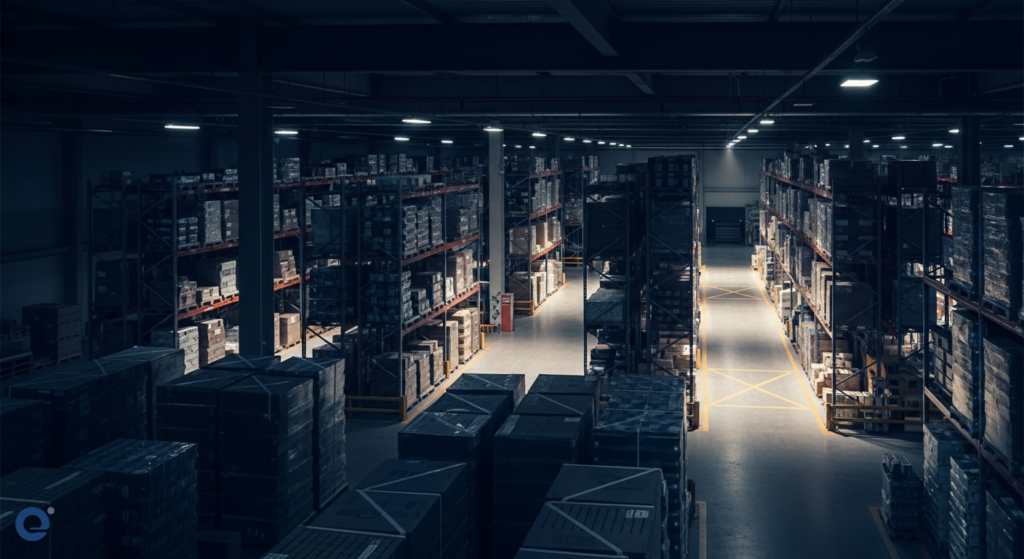
Supply chain managers and warehouse leads constantly seek ways to optimize operations. A key area for significant cost reduction lies in effective inventory management. Minimizing warehousing costs directly impacts profitability. Therefore, a well-defined strategy is essential. This article explores actionable strategies to achieve this goal. We will delve into how smart inventory management can lead to substantial savings.
The Critical Link Between Inventory and Profitability
Inventory represents a significant investment. It is essentially cash tied up in goods. Poor inventory management leads to increased costs. These costs include storage, handling, and potential losses from obsolescence or damage. Maximizing profits requires minimizing these costs. It also demands a clear overview of all supply chain operations. In today’s competitive market, efficiency is not optional; it’s vital for survival.
Every business is unique. Understanding your specific challenges is the first step. This includes assessing demand cycles and distribution channels. Then, you can source the right solutions. Often, this involves a combination of technologies. This ensures you can always see your inventory. Inventory visibility is crucial for making informed decisions.

1. Achieve Comprehensive Inventory Visibility
Inventory visibility across the entire supply chain is fundamental. It offers obvious and essential benefits. This is especially true with evolving retail trends and global spending shifts. Many businesses overlook this critical aspect. Relying on memory to locate products is inefficient. It becomes impossible during periods of reduced staffing or social distancing. Consumer expectations for seamless and speedy experiences are high. Businesses that cannot meet these demands will lose out.
Meeting consumer demands starts with real-time inventory visibility. Devoting resources to this is essential. A recent study indicated that two-thirds of companies view their fulfillment process efficiency as below average. Without knowing your stock levels, you risk ordering too little or too much. Ordering too little can lead to lost sales. Ordering too much ties up cash in dormant inventory. This can also lead to losses from expired or obsolete products. Therefore, investing in technologies like RFID and barcode scanners is wise. These tools, combined with automation, significantly improve visibility.
Real-time supply chain tracking is key. This allows you to monitor goods from supplier to customer. Without this visibility, inventory discrepancies and inefficiencies arise. Using systems like RFID or barcoding integrated with a Warehouse Management System (WMS) provides instant data access. You can track stock levels and item locations within the warehouse. This prevents overstocking and stockouts.
2. Optimize Storage Space and Layout
Storage optimization seems straightforward but is often complex. Disruptions in global supply chains make stockpiling a consideration. However, where and what to stockpile presents challenges. Saving time, space, and resources is integral. This simultaneously reduces errors and improves flexibility. An optimized warehouse is vital for an agile supply chain.
Key considerations include the physical structure, warehouse flow, product placement, and retrieval methods. These factors ensure a cost-effective storage plan. Streamlining inventory management increases efficiencies. This, in turn, reduces overall costs. Partnering with professionals for layout and design principles can maximize efficiency. A fully optimized warehouse improves traffic flow, reduces stock loss, and boosts productivity. This drives profit and customer satisfaction.
Reducing required space is a direct path to saving costs. Optimizing storage minimizes rental expenses. It also enhances operational efficiency. A Warehouse Management System (WMS) plays a crucial role. It uses algorithms to allocate inventory intelligently. This ensures efficient use of available space. Real-time visibility and dynamic storage assignments maximize capacity. Minimizing excess space and strategically placing items based on demand is essential.
3. Streamline Warehouse Processes and Eliminate Waste
Reducing the number of steps in warehouse processes has an immediate cost impact. Every time an employee touches or moves an item, errors and inefficiencies can occur. A lean approach eliminates unnecessary touches. This improves productivity and reduces waste. Start by reviewing current workflows. Look for duplicated tasks or backtracking. These inefficiencies often happen during receiving, put-away, picking, and shipping.
Consolidating tasks, reducing manual data entry, or automating repetitive actions can help. A WMS can minimize unnecessary handling by directing employees to efficient routes. It also eliminates redundant tasks through automated inventory updates and order processing. Analyzing operations through a lean management lens identifies waste. Encouraging a culture of continuous improvement is also vital. Employees often have valuable insights into simplifying operations. Soliciting their feedback helps reduce unnecessary steps and improve task efficiency. Regularly reviewing and optimizing processes creates a more agile warehouse.
Eliminating unnecessary steps and using the right-sized storage configuration boosts efficiency. Methods like cross-docking minimize inventory holding costs. For a practical understanding of space, consider using a warehouse space calculator. Analyzing your operations against industry benchmarks helps identify cost-saving opportunities.
4. Leverage Cross-Docking for Reduced Holding Costs
Cross-docking is a highly effective strategy. It significantly reduces inventory holding costs. It also streamlines warehouse operations. In traditional warehousing, goods are received, stored, and then retrieved. This consumes space and adds handling time. Cross-docking bypasses storage. Incoming goods are directly transferred to outgoing shipments with minimal or no storage time.
This reduces the need for warehouse storage space. It also cuts down labor associated with managing stored inventory. Cross-docking is ideal for fast-moving products or items with short shelf lives, like perishables. By reducing storage time, you save costs and reduce spoilage risk. Furthermore, cross-docking can improve delivery times. This helps meet customer demands quickly. Successful implementation requires real-time coordination. This involves suppliers, carriers, and warehouse staff. Investing in technology like a WMS is crucial. It supports real-time tracking, shipment scheduling, and task automation.
Cross-docking minimizes storage time. This directly translates to lower warehousing costs. It can also decrease pick and pack costs. Efficient cross-docking ensures products move quickly and accurately. This avoids unnecessary delays or handling. By reducing holding costs, you significantly lower storage expenses. You also improve operational efficiency. This enhances your ability to respond to market demands.
5. Implement Automation and Technology Wisely
Investing in automation and technology is a proven way to reduce warehouse costs. Automation minimizes labor dependency. It also reduces errors, ultimately cutting warehouse expenses. While initial investment can be significant, the long-term savings are substantial. Technologies like automated guided vehicles (AGVs), robotic arms, and automated storage and retrieval systems (AS/RS) can transform operations.
A robust Warehouse Management System (WMS) is foundational. It integrates various technologies. It provides real-time data and optimizes workflows. This leads to increased accuracy and efficiency. Consider the specific needs of your warehouse. Not all automation solutions are suitable for every operation. A thorough analysis of your workflows and bottlenecks is necessary. This ensures you invest in the right technologies.
Automation can significantly reduce labor costs. It also improves worker safety by handling repetitive or strenuous tasks. The precision of automated systems leads to fewer errors. This reduces costs associated with returns, rework, and damaged goods. Furthermore, automation can increase throughput. This means you can handle more volume with the same or fewer resources. This scalability is invaluable in a dynamic market.
6. Optimize Labor Management and Training
Labor is often one of the largest expenses in a warehouse. Effective labor management is crucial for cost control. This involves more than just staffing levels. It includes efficient scheduling, performance monitoring, and comprehensive training. A well-trained workforce is more productive and makes fewer errors.
Encourage a culture of continuous improvement. Solicit feedback from employees. They are often on the front lines and can identify inefficiencies. Provide adequate training on new technologies and processes. This ensures they can utilize tools effectively. Performance metrics should be clear and transparent. This helps employees understand expectations and areas for improvement.
Consider using workforce management software. This can help optimize scheduling and track productivity. Tools for tracking staff work hours can also be beneficial. Monitoring productivity accurately ensures you are leveraging your labor force effectively. Reducing errors through better training and clear processes also cuts costs. This prevents financial leaks associated with mistakes.
7. Reduce Energy and Utility Costs
Energy consumption in a warehouse can be substantial. Reducing these costs directly impacts the bottom line. Simple measures can yield significant savings. Opting for energy-efficient solutions is a smart move. This includes using LED lighting. Installing motion sensors can ensure lights are only on when needed. Proper insulation also plays a role in maintaining temperature.
Conducting regular energy audits can identify areas of inefficiency. Maintaining ideal temperatures directly impacts warehousing costs. This is especially true for products requiring specific climate control. Proper temperature settings can be a deciding factor in overall logistics costs. Investing in energy-efficient equipment and practices is a long-term cost-saving strategy.
Consider solar panels if feasible. This can significantly reduce reliance on grid electricity. Regular maintenance of HVAC systems is also important. Ensuring they operate efficiently prevents unnecessary energy use. Small steps in energy management can lead to substantial financial benefits over time.
8. Protect Inventory from Theft and Damage
Theft and damage contribute to inventory shrinkage. This is a growing concern. Implementing robust security measures is essential. This includes personnel, surveillance systems, and access control. Identifying the root cause of missing stock is crucial. Is it theft, or simply misplaced inventory? Clear protocols can help prevent and identify issues.
Maintaining a well-organized warehouse is key. This lowers handling costs and reduces the chance of damage. An efficient workforce can dramatically lower damage-related costs. Effective inventory management practices prevent financial leaks. Regular inventory audits help detect discrepancies quickly. This allows for prompt investigation and corrective action. Secure storage areas for high-value items are also advisable.
Employee training on proper handling procedures is vital. This minimizes accidental damage. Clear labeling and tracking systems reduce the likelihood of items being misplaced. By protecting your inventory, you safeguard your assets and profitability.
Frequently Asked Questions
What are the most significant warehouse costs?
The most significant warehouse costs typically include rent or lease costs for the space, labor costs for personnel, equipment purchase and maintenance, insurance, security, and technology investments like WMS software.
How can cross-docking reduce costs?
Cross-docking reduces costs by minimizing or eliminating the need to store goods. This saves on storage space, handling labor, and reduces the risk of product obsolescence or spoilage, thus lowering inventory holding costs.
Is investing in warehouse automation always cost-effective?
While automation requires an initial investment, it often becomes cost-effective in the long run. It reduces labor dependency, minimizes errors, increases throughput, and improves efficiency, leading to substantial savings over time. The key is to choose automation solutions that align with your specific operational needs.
How important is inventory visibility for cost reduction?
Inventory visibility is extremely important. It prevents overstocking and stockouts, reduces losses from expired or obsolete items, and enables better demand forecasting. This leads to optimized inventory levels, minimizing carrying costs and maximizing sales.
Can small warehouses benefit from advanced technology?
Yes, even small warehouses can benefit from technology. Solutions like cloud-based WMS or affordable barcode scanning systems can significantly improve efficiency and reduce costs without requiring a massive upfront investment. The key is to select scalable solutions.
Conclusion: A Proactive Approach to Cost Minimization
Minimizing warehousing costs is an ongoing process. It requires a strategic and proactive approach. By focusing on inventory visibility, storage optimization, process streamlining, and smart technology adoption, businesses can achieve significant savings. Effective labor management and energy cost reduction also contribute to a healthier bottom line. Ultimately, a well-managed warehouse is the backbone of a profitable supply chain. Embracing these strategies will not only cut costs but also enhance overall operational efficiency and customer satisfaction. This proactive stance ensures sustained growth and competitiveness in the market.
