
Slash Last-Mile Freight Costs: Your Ultimate Guide
Published on Tháng 12 23, 2025 by Admin
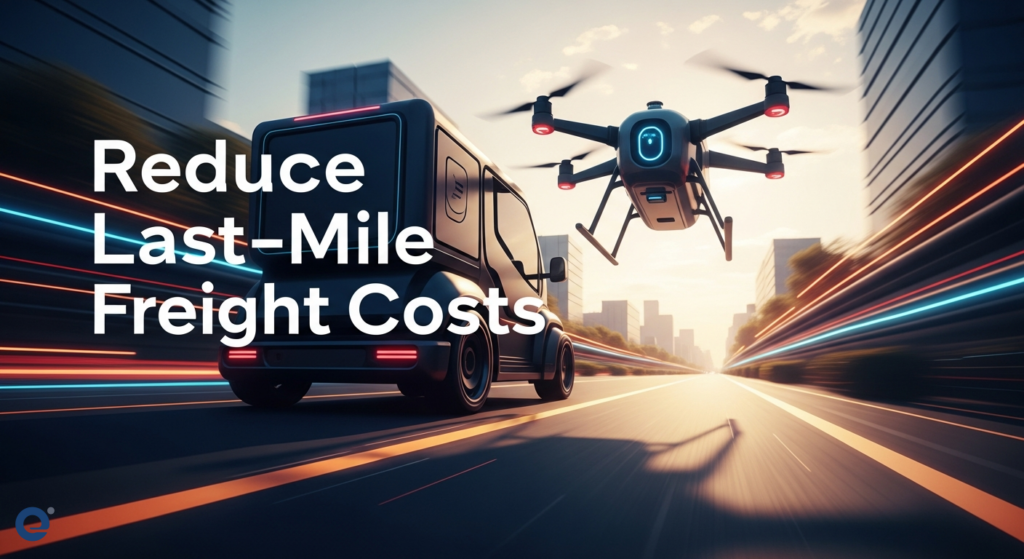
The last mile of delivery is a critical junction for any logistics operation. It’s where costs surge, complexity peaks, and customer patience often wears thin. For logistics managers and fleet coordinators, mastering this final leg is not just about efficiency; it’s about protecting trust, loyalty, and ultimately, business growth. This article delves into the secrets of minimizing local and last-mile freight costs, providing actionable strategies to streamline your operations and boost profitability.
Understanding the High Cost of the Last Mile
The final stretch of delivery, from a distribution hub to the customer’s doorstep, is notoriously the most expensive part of the supply chain. Reports indicate that last-mile delivery can account for a staggering 30–40% of total transportation costs .
Furthermore, consumer expectations are at an all-time high. Shoppers often abandon retailers after just a few late deliveries or incorrect orders. Therefore, perfecting the last mile directly impacts customer trust and loyalty.
The Five Biggest Last-Mile Delivery Challenges
Several hurdles make last-mile delivery a complex undertaking. Understanding these challenges is the first step toward overcoming them.
1. Managing Multiple Carriers
Many businesses rely on a variety of carriers to meet diverse delivery needs. However, managing multiple providers leads to inconsistent performance, fragmented visibility, and increased operational complexity. Without a unified system, delivering a seamless customer experience becomes incredibly difficult.
2. Cost Management and Profitability
Inefficient routes, failed drop-offs, high fuel consumption, and labor costs all contribute to the steep price of last-mile delivery. With increasing fuel prices and variable labor expenses, maintaining profitability is a significant challenge. Businesses must find ways to meet competitive delivery expectations while keeping costs under control.
3. Delivery and Customer Support Visibility
Customers expect real-time tracking, proactive communication, and swift problem resolution. Yet, visibility gaps in delivery and support frustrate customers and erode trust. Moreover, these blind spots make it harder for businesses to manage exceptions effectively.
4. Complex Operations and Compliance
Coordinating fleets and navigating regulations add layers of complexity to last-mile delivery. Expanding into new regions, especially with age-restricted goods like alcohol or pharmaceuticals, magnifies these issues, as compliance failures can lead to fines or reputational damage.
5. Driver Retention and Identity Verification
The human element is crucial. Driver retention remains a concern, and verifying both drivers and recipients is vital for security and compliance. Traditional ID checks can be slow and error-prone, but the risks of fraud or underage deliveries are immense. Investing in scalable identity verification technology is becoming essential.
Smart Solutions to Minimize Last-Mile Costs
Fortunately, several smart solutions can help mitigate these challenges and reduce last-mile expenses.
Route Optimization and AI-Powered Planning
AI-powered routing software is revolutionizing delivery operations. These systems optimize routes based on traffic patterns, delivery time windows, vehicle capacity, and driver locations. By dynamically planning the most efficient routes and automating dispatch, AI and machine learning streamline delivery processes, reduce fuel consumption, and lower staffing needs .
Real-Time Tracking and Customer Communication
Providing customers with real-time tracking and notifications is essential for meeting their expectations for transparency. This enhances operational agility and makes the customer feel part of the process. Many carriers, like UPS and FedEx, offer customers the option to receive text or email notifications, allowing them to know more accurately when to expect a package and adjust their schedules accordingly.

Inventory Placement Strategies
Placing inventory closer to customers is a powerful strategy to minimize delivery costs. Businesses can reduce transit times and offset delivery expenses by distributing products to multiple warehouses. For large e-commerce enterprises, a zone-skipping strategy—moving packages by bulk freight to a post office near their final destinations—can also be highly effective .
Reducing Package Weight and Dimensions
The weight and dimensions of a package significantly impact delivery costs. Even small differences can lead to higher fees. Therefore, choosing lightweight yet robust packaging materials is crucial. Corrugated packaging, for instance, is lighter than regular cardboard. Additionally, using appropriate, minimal packing material and customizing containers to fit products precisely can reduce overall package size and weight.
Scheduling Windows for Deliveries
Allowing customers to schedule delivery windows can significantly cut down on redelivery fees, especially for remote or rural addresses. This ensures the customer is available to receive the package, reducing the need for multiple trips and improving customer satisfaction. This approach is particularly valuable when dealing with services requiring signatures or white-glove treatment.
Leveraging Technology for Cost Reduction
Technology plays a pivotal role in optimizing last-mile operations and reducing costs. Walmart, for example, utilizes cutting-edge technologies like machine learning and predictive analytics to forecast demand, track inventory, and optimize delivery routes .
AI and Machine Learning
AI-driven technologies are essential for maintaining efficiency and competitiveness in 2025. They help in dynamically planning the most efficient routes, automating driver dispatch, and reducing manual planning, fuel consumption, and staffing needs.
Real-Time Data Tracking
Real-time data tracking systems provide invaluable insights into inventory levels and delivery progress. This allows for better decision-making and proactive management of potential issues. For instance, blockchain technology enhances transparency and efficiency, particularly for tracking perishables.
Identity Verification Technology
As mentioned, driver and recipient identity verification is critical. Scalable identity verification technology ensures security and compliance, preventing fraud and ensuring deliveries are made to the correct individuals. This can prevent costly errors and legal issues.
Addressing Specific Cost Drivers
A detailed breakdown of last-mile delivery costs reveals key areas for targeted optimization.
Fuel Costs
Fuel makes up a significant portion of operational costs. Urban deliveries often increase fuel consumption due to frequent stops and idling. Efficient route planning and capacity utilization are crucial for managing these volatile prices. .
Labor Costs
The logistics industry faces a shortage of qualified drivers, leading to increased wages. Optimizing driver schedules and ensuring efficient routes can maximize their productivity and reduce overtime expenses. Finding ways to improve driver retention is also key to managing labor costs long-term.
Idling Costs
Idling in urban areas leads to wasted fuel and increased vehicle wear and tear. Minimizing unnecessary idling through better route planning and driver training can yield substantial savings in fuel and maintenance expenses.
Reverse Logistics Costs
Returns and product replacements significantly impact operational costs. Quick deliveries and specific time slots can increase the risk of failed deliveries, leading to high refund and redelivery costs. Streamlining the returns process and improving first-time delivery success rates are vital.
Residential vs. Commercial Deliveries: A Cost Perspective
Residential deliveries are inherently more costly than commercial ones. Carriers often charge a residential surcharge because deliveries to homes require more time and distance, venturing into spread-out neighborhoods and rural communities. In contrast, commercial deliveries are usually more consolidated, with businesses typically having staff available to handle pickups, reducing the risk of failed deliveries and customer complaints.
While you cannot force customers to opt for commercial delivery, you can influence their choices and manage shipping costs more effectively. For example, offering different carrier options at checkout with varying price points based on location can help customers make informed decisions. This is where tools that allow for dynamic shipping rate calculation based on geographic location become invaluable. You can explore implementing a cost-effective CRM system to better manage customer data and tailor delivery options.
Strategies for Minimizing Delivery Rate Increases
Several strategies can help minimize overall delivery rate increases and keep costs down.
- Optimize Package Size and Weight: Every ounce counts when it comes to shipping costs. Choose packaging that minimizes weight and dimensions.
- Strategic Warehouse Placement: Distribute inventory across multiple warehouses to be closer to your customer base. This reduces transit times and shipping fees.
- Zone Skipping: For high-volume shipments, consider moving packages via bulk freight to a regional distribution point closer to the destination.
- Negotiate Carrier Contracts: Regularly review and negotiate contracts with your shipping partners to ensure you are getting the best rates.
- Utilize Technology for Efficiency: Invest in route optimization software, real-time tracking, and other logistics management tools.
These proactive measures can significantly impact your bottom line. For instance, understanding the true cost of operational processes can lead to substantial savings. You may want to research the opportunity cost of maintaining outdated business processes.
The Role of Driver and Recipient Verification
Driver retention is a significant concern, but equally important is verifying recipients. Age-restricted deliveries, high-value items, or sensitive goods require robust verification processes. Traditional manual checks can be a bottleneck and prone to errors. Investing in digital identity verification solutions can streamline this process, ensuring compliance and reducing the risk of fraud or incorrect deliveries. This is crucial for maintaining trust and avoiding costly disputes.
Conclusion: A Strategic Approach to Last-Mile Savings
Minimizing local and last-mile freight costs requires a multifaceted approach. It involves leveraging technology, optimizing operations, and understanding the nuances of delivery challenges. By focusing on route optimization, real-time visibility, strategic inventory placement, and smart packaging, logistics managers can significantly reduce expenses.
Furthermore, addressing specific cost drivers like fuel and labor, and understanding the difference between residential and commercial deliveries, allows for more targeted cost-saving initiatives. Ultimately, treating last-mile delivery as a strategic priority, rather than just a cost center, will unlock operational efficiency and drive long-term profitability.
Frequently Asked Questions
What is the biggest cost factor in last-mile delivery?
The biggest cost factor in last-mile delivery is often the combination of fuel, labor, and the inherent inefficiencies of reaching individual customer doorsteps, which can collectively account for 40-55% of total shipping costs.
How can AI help reduce last-mile delivery costs?
AI helps reduce last-mile costs by optimizing routes based on real-time traffic and delivery windows, automating driver dispatch, predicting demand for better resource allocation, and improving overall operational efficiency.
Why are residential deliveries more expensive than commercial ones?
Residential deliveries are more expensive because they involve more dispersed locations, longer travel times between stops, and a higher likelihood of failed delivery attempts compared to the more consolidated and predictable nature of commercial deliveries.
What is “zone skipping” in logistics?
Zone skipping is a strategy where businesses consolidate packages and ship them in bulk via a less expensive method (like freight) to a postal facility closer to the final delivery destination, thereby bypassing the initial, more costly shipping zones.
How important is identity verification in last-mile delivery?
Identity verification is very important, especially for age-restricted goods or high-value items. It ensures compliance, prevents fraud, and confirms that deliveries are made to the correct recipients, thereby avoiding costly errors and disputes.
