
Valuing Expensive Hobbies: A Collector’s Guide
Published on Tháng 12 22, 2025 by Admin
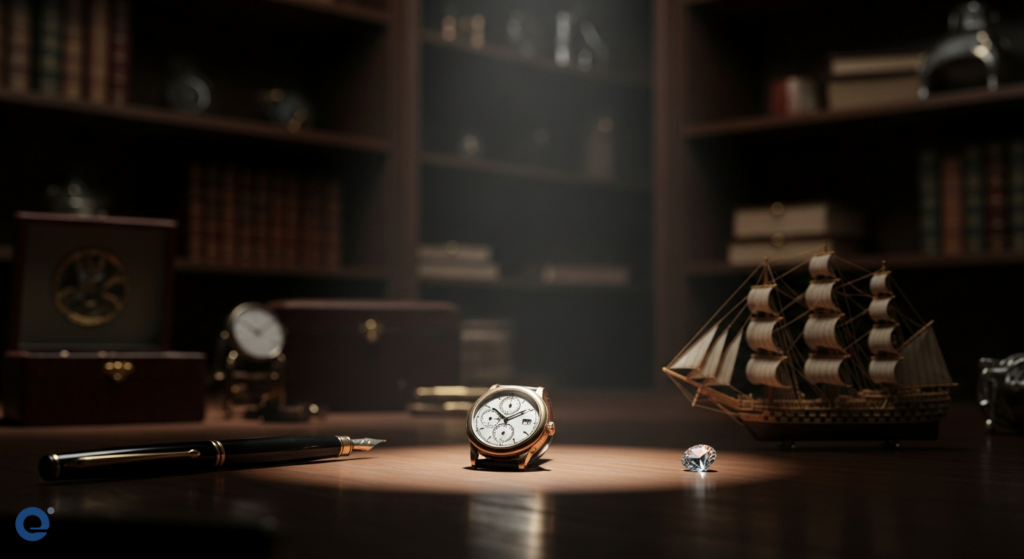
Investing in passions like art, watches, or cars can be deeply rewarding. However, these expensive hobbies also require careful financial consideration. Many collectors wonder how to correctly value their investments. This guide will help you understand the nuances of valuing these unique assets. We will explore how to approach their worth. We will also discuss factors that influence their value over time. This way, you can make informed decisions.
Understanding Assets in Expensive Hobbies
Firstly, it’s crucial to define what constitutes an asset in this context. An asset is essentially an interest in property. It’s held for investment or income production. For financial disclosure, certain items are inherently considered investments. These include stocks, bonds, and virtual currency. However, for hobbyists, the definition extends. It encompasses items acquired for personal enjoyment and potential appreciation.
For example, a rare vintage watch or a classic automobile can be viewed as an asset. This is true even if its primary purpose is personal enjoyment. The key is its potential to hold or increase value. Source 1 mentions how various items are considered assets for disclosure. This highlights the broad interpretation of what holds value.
The Nature of Collectibles as Assets
Collectibles, whether art, watches, or cars, often defy traditional financial metrics. Their value is not always tied to immediate utility. Instead, it’s driven by rarity, provenance, condition, and market demand. Therefore, valuing them requires a different approach. It’s not like valuing stocks on an exchange. You cannot simply check a daily ticker price.
Think of a limited-edition timepiece. Its value might surge due to a celebrity endorsement. Or perhaps a specific model becoming scarce. Similarly, a classic car’s value can be influenced by its racing history. It can also be affected by its rarity and restoration quality. These factors are paramount.
Methods for Valuing Investment Hobbies
Valuing expensive hobbies involves several recognized methods. These help establish a fair market value. Source 2, concerning contract cost principles, touches upon asset valuation. It states that publicly traded securities are valued by their exchange value. For other assets, several indicators are used.
These indicators include:
- A recent purchase price, with the date noted.
- A recent appraisal by a qualified expert.
- The market value assessed for tax purposes.
- The book value for non-publicly traded stock.
- The face value of corporate bonds or comparable securities.
- The net worth of a business partnership.
- The equity value of an individually owned business.
When exact values are hard to obtain without undue hardship, a good faith estimate is acceptable. This is a critical point for unique collectibles.
Appraisals: The Expert Opinion
For many high-value collectibles, professional appraisals are essential. An appraiser is an expert in a specific field. They can assess an item’s condition, authenticity, rarity, and market trends. For example, an art appraiser can authenticate a painting. They can also estimate its current market value based on similar sales. This is especially important for art and antique watches.
Similarly, an automotive appraiser can evaluate a classic car. They consider its originality, mechanical condition, and historical significance. The appraisal report provides a documented valuation. This is invaluable for insurance purposes. It is also crucial for potential resale. Always seek appraisers who are members of professional organizations. This adds credibility to their assessment.
Market Comparables: What Sold Recently?
Another key method is using market comparables. This involves looking at the prices of similar items that have recently sold. For watches, this means checking auction results for identical or very similar models. For cars, it means researching sales of the same make, model, year, and condition. Auction houses and specialized online platforms are great resources.
For instance, if you own a Patek Philippe watch, you’d look for sales data of that specific reference. You would also consider its condition and materials. Likewise, for a vintage Porsche 911, you’d examine sales of similar models from the same production year. This method provides a real-world view of current market value. It is a practical approach for collectors.
Condition and Provenance: Critical Value Drivers
The condition of an item significantly impacts its value. For watches, this includes the movement’s accuracy and case condition. For cars, it involves the engine, bodywork, and interior. For art, it relates to the canvas, paint, and any restorations. Items in pristine, original condition often fetch higher prices. However, expert restoration can also add value.
Provenance, the history of ownership, is equally important. A documented history of ownership by notable figures can dramatically increase an item’s desirability and price. For example, a watch previously owned by a famous actor or a car with a racing pedigree will command a premium. This traceable history adds a layer of authenticity and prestige. It is a critical factor for serious collectors.
The Role of Rarity and Demand
Rarity is a fundamental driver of value in collectibles. The fewer items available, the higher their potential worth. Limited edition watches, low-production car models, or unique art pieces are inherently more valuable. This scarcity creates competition among buyers. This competition naturally drives up prices.
Demand is the other side of the coin. An item can be rare but worthless if no one wants it. Conversely, an item with high demand, even if not exceedingly rare, can be very valuable. Trends and collector preferences play a huge role here. What is popular today might not be tomorrow. Therefore, understanding market trends is vital.
Supply and Demand Dynamics
The interplay of supply and demand is constant. For example, a particular car model might experience a resurgence in popularity. This increases demand. If the supply remains limited, prices will rise. Conversely, if a collectible becomes less fashionable, demand may fall. This can lead to a decrease in value, even if the item is still rare.
This dynamic is often seen in the watch market. Certain brands or models can go in and out of favor. Collectors follow these shifts closely. Staying informed about market sentiment is key to making smart acquisitions. It helps predict future value trends. You can learn more about smart spending for expensive hobbies in related guides.
The Impact of Trends and Hype
Sometimes, the value of collectibles can be artificially inflated by trends or hype. Social media and influential collectors can create sudden bursts of interest. This can temporarily drive up prices. However, these spikes may not be sustainable. It’s important to distinguish between genuine, long-term value and fleeting popularity.
For instance, a particular artist might suddenly gain widespread recognition. This can lead to a rapid increase in their artwork’s prices. However, if this recognition wanes, the prices might fall back. Therefore, a discerning collector looks beyond the immediate hype. They focus on enduring quality and historical significance. This approach helps avoid speculative bubbles.
Financial Considerations for Hobbyists
Investing in expensive hobbies is a significant financial undertaking. It requires more than just passion. It demands a strategic financial approach. Understanding the total cost of ownership is crucial. This includes purchase price, maintenance, insurance, and potential restoration costs.
Source 2, in its cost principles, emphasizes determining allowability and reasonableness of costs. While this applies to contracts, the underlying principle is relevant. You must ensure your hobby spending is reasonable for your financial situation. It should not jeopardize your overall financial health.
Budgeting for Your Passion
A dedicated budget is essential for any expensive hobby. This budget should account for all associated expenses. For car collectors, this includes maintenance, parts, storage, and insurance. For watch enthusiasts, it might involve servicing, specialized tools, and secure storage. For art collectors, it could be framing, insurance, and conservation.
It’s wise to allocate a specific amount each month or year for your hobby. This prevents overspending. It also ensures you can afford necessary upkeep. Consider using a budgeting app to track these expenses. This helps maintain financial discipline. You might find it useful to read about smart spending for high-cost hobbies.
The Concept of “Cost of Money”
When valuing an asset, the “cost of money” is an important consideration. This refers to the return you could have earned if you had invested the money elsewhere. For example, the money spent on a rare watch could have been invested in stocks or bonds. The potential return from those investments is the cost of money associated with the watch.
Source 2 mentions “Cost of money” as a selectable cost. This highlights its recognized financial importance. When evaluating an expensive hobby purchase, consider the opportunity cost. Is the enjoyment and potential appreciation of the hobby worth foregoing potential investment returns? This analysis helps justify the expenditure.
Insurance and Preservation
Protecting your valuable collectibles is paramount. Adequate insurance coverage is a must. This protects against loss due to theft, damage, or natural disasters. The policy should reflect the current market value of your collection. Regular updates are necessary as values fluctuate.
Preservation also plays a role in maintaining value. Proper storage is critical. For art, this means climate-controlled environments. For cars, it involves secure, dry garages. For watches, it includes anti-static cases and avoiding extreme temperatures. Good preservation practices safeguard your investment.
When Does a Hobby Become an Investment?
The line between a hobby and an investment can be blurry. A hobby is primarily for enjoyment. An investment is primarily for financial gain. However, many expensive hobbies blur this line. They offer both personal satisfaction and potential financial returns.
You might consider a hobby an investment when:
- The primary motivation shifts from enjoyment to profit.
- A significant portion of your financial resources is dedicated to it.
- You actively track market values and seek appreciation.
- You intend to sell items for a profit.
Source 1 defines an “asset” as property held for investment or income production. If your hobby assets meet this criterion, they are indeed investments. You can explore more about whether a major purchase is a real investment on our blog.
The Subjective vs. Objective Valuation
Valuation can be subjective or objective. Subjective value is based on personal sentiment and enjoyment. Objective value is based on market forces and financial metrics. For a collector, the subjective enjoyment is often the primary driver. However, for financial planning, objective valuation is crucial.
When the goal is to sell or pass on a collection, objective valuation becomes paramount. This is where appraisals and market comparables are most useful. Source 2 suggests that if exact value cannot be obtained, a good faith estimate of fair market value may be made. This acknowledges that perfect objectivity isn’t always possible.
Diversification and Risk Management
Even within expensive hobbies, diversification is a sound strategy. Instead of putting all your funds into one type of collectible, spread your investment. For example, a collector might diversify between vintage watches, classic cars, and fine art. This reduces risk. If one sector declines, others may hold steady or increase.
Risk management is also vital. Understand the potential downsides. Market downturns can affect collectible values. Items can also be lost or damaged. Insurance and careful acquisition are key. It is wise to remember that concentrating capital can be risky.
Frequently Asked Questions
What is the most reliable way to value a collectible?
The most reliable ways involve professional appraisals and researching market comparables. For unique items, expert opinion is often the best indicator of current market value.
Can my expensive hobby be considered a true investment?
Yes, if you acquire items with the intention of them holding or increasing in value, and you actively track their market performance, your hobby can function as an investment.
How do I protect my valuable collectibles?
Protection involves proper storage, regular maintenance, and comprehensive insurance coverage. Understanding the specific needs of each item is critical.
What if I can’t afford a professional appraisal?
If a professional appraisal is too costly, you can start by researching recent sales of similar items online. Auction results and specialized forums can provide valuable insights. However, for high-value items, an appraisal is highly recommended.
How does provenance affect value?
Provenance, or the history of ownership, can significantly increase an item’s value. A documented lineage, especially if linked to notable individuals or events, adds prestige and authenticity.
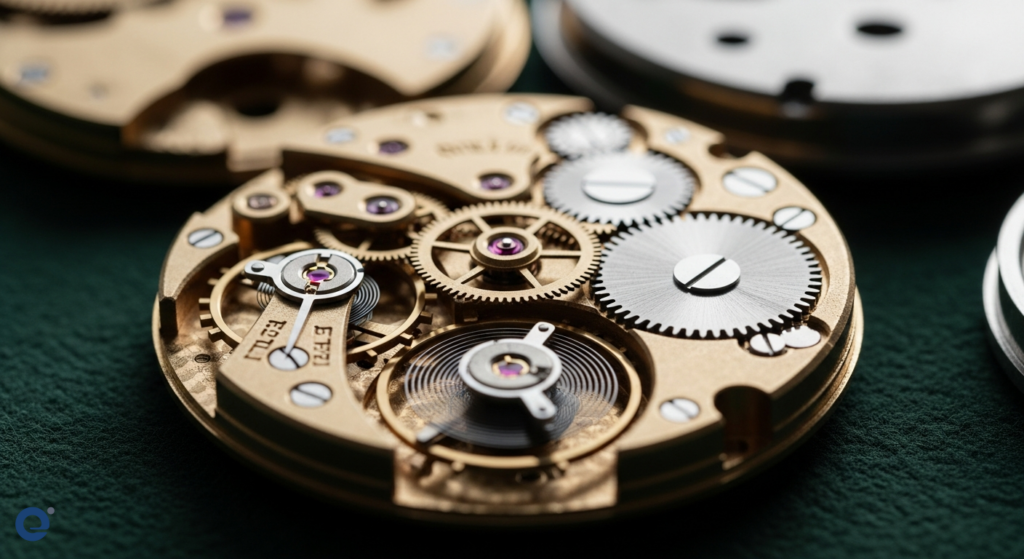
Ultimately, valuing an investment in an expensive hobby is a blend of art and science. It requires understanding market dynamics, expert knowledge, and careful financial planning. By applying these principles, collectors can confidently navigate the world of high-value assets. They can ensure their passions are both enjoyable and financially sound.
For those interested in understanding the financial implications of major purchases, exploring topics like the three-times cost rule can offer valuable perspective. Additionally, understanding how to differentiate between spending for identity versus intrinsic value is key to making wise acquisitions.
How Do I Sell Rare Or Valuable Folk Art? – The Collectibles Guide
