
Debt: Investment vs. Consumption for Young Pros
Published on Tháng 12 22, 2025 by Admin
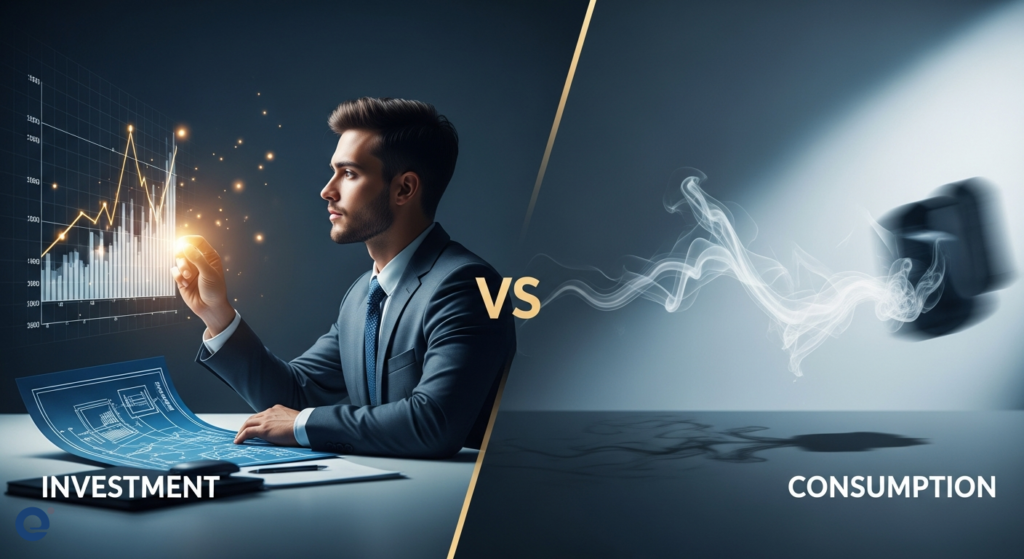
As young professionals, you’re likely navigating a complex financial landscape. Credit cards are common tools. However, understanding the difference between “good debt” and “bad debt” is crucial. This distinction can shape your financial future. It can mean the difference between building wealth and sinking into financial quicksand. Let’s explore how to tell productive debt from destructive debt.
The Core Distinction: Purpose and Outcome
At its heart, the difference lies in the purpose of the borrowing and its ultimate outcome. Productive debt, often called investment debt, is taken on to acquire assets that are expected to increase in value or generate income over time. Conversely, destructive debt, or consumption debt, is used to purchase goods or services that depreciate or are consumed immediately, providing no long-term financial return.
Productive Debt: Investing in Your Future
Productive debt fuels growth and asset accumulation. It’s debt that serves as a strategic tool. Think of it as a loan that helps you build something of lasting value. This type of debt can be a powerful engine for wealth creation.
- Real Estate: A mortgage to buy a home is a classic example. While a home depreciates in some ways, it’s often a significant appreciating asset over the long term. It also provides shelter, a fundamental need.
- Education: Student loans, when used for degrees that lead to higher earning potential, can be considered productive. They invest in your human capital. This can yield significant returns throughout your career.
- Business Ventures: Loans taken out to start or expand a business are often productive. If the business is successful, it generates income and can grow in value.
- Investments: Borrowing to invest in stocks, bonds, or other financial instruments can be productive. However, this carries higher risk. You must understand the potential returns and risks involved.
The key here is that the borrowed money is used to acquire something that generates more value than the cost of the debt. This often involves a time lag. The benefits aren’t always immediate. However, the long-term financial gain is the objective.
Destructive Debt: Consuming Your Future
Destructive debt, on the other hand, is money spent on things that lose value or are gone once used. This type of debt erodes your financial health. It drains your resources without providing any future benefit.
- Credit Card Purchases: Using credit cards for everyday expenses, entertainment, or non-essential items often falls into this category. The interest rates can be very high. You end up paying more for things you’ve already consumed.
- Car Loans (for depreciating vehicles): While a car is necessary for many, loans for vehicles that rapidly depreciate are a form of consumption debt. The car loses value the moment you drive it off the lot.
- Payday Loans and High-Interest Consumer Loans: These are particularly pernicious forms of destructive debt. They often carry exorbitant interest rates. They can trap borrowers in a cycle of debt.
- Vacations and Luxury Goods: While enjoyable, financing these through debt means you’re paying interest on experiences or items that provide no financial return.
The danger with destructive debt is that it doesn’t build assets. Instead, it creates liabilities. These liabilities require ongoing payments, often with interest. This can significantly hinder your ability to save and invest.
The Economic Perspective on Debt
Economists often debate the role and impact of debt. Government debt, for instance, is a complex issue. Some economists argue that government borrowing can stimulate the economy during downturns. Others warn of the long-term consequences. Excessive government debt can “crowd out” private investment. This can lead to higher interest rates and reduced economic activity for future generations This view suggests that the burden of national debt can be shifted from current to future taxpayers.
For individuals, the concept is similar. Productive debt can fuel economic growth. Destructive debt can cripple financial well-being. The Penn Wharton Budget Model notes that financial markets anticipate future fiscal policy. If markets believe corrective actions won’t occur, debt dynamics can become unsustainable much sooner PWBM estimates that financial markets cannot sustain more than 20 years of accumulated deficits under current U.S. fiscal policy.
Michael Pettis, writing for the Carnegie Endowment, highlights that different kinds of rising debt have very different effects on an economy. He emphasizes that an economy cannot consume and invest more than it produces and imports. Any imbalance must be resolved by transfers that reduce purchasing power Pettis notes that economists often fail to distinguish between types of debt, leading to misinterpretations of debt-to-GDP ratios.
Credit Cards: A Double-Edged Sword
Credit cards are a prime example of how debt can be both productive and destructive. As a young professional, you might use them for:
- Building Credit History: Responsible use of a credit card helps establish a credit score. This is essential for future loans, mortgages, and even some job applications. This is a productive aspect.
- Rewards and Perks: Many cards offer cashback, travel miles, or other benefits. Using them for planned purchases you’d make anyway can be a smart way to get a small return. This can be seen as productive.
- Emergency Funds: In a true emergency, a credit card can be a lifeline. However, this should be a last resort, not a primary strategy.
- Convenience: For everyday spending, credit cards offer convenience and fraud protection.
However, the destructive side of credit cards is very real:
- High Interest Rates: If you carry a balance, the interest charges can be astronomical. This quickly turns a manageable debt into a significant burden.
- Impulse Purchases: The ease of swiping a card can lead to overspending. You might buy things you don’t need or can’t truly afford.
- Debt Cycle: Missing payments or only paying the minimum can lead to a snowball effect. The debt grows faster than you can pay it down.
Therefore, using credit cards wisely is paramount. Always aim to pay your balance in full each month. This maximizes the productive aspects and avoids the destructive ones. For young professionals, mastering credit card use is a key financial skill. You can learn more about when to use credit cards wisely to maximize rewards in our guide to maximizing credit card rewards.
Is All Debt Bad? The Catholic Perspective
Historically, religious traditions have had strong views on lending and interest. The Catholic Church, for instance, once prohibited usury, which is essentially charging interest on loans. St. Thomas Aquinas viewed usury as a sin against justice. He argued that money, being a consumable good, shouldn’t generate interest on its own Source 1. However, modern interpretations acknowledge the complexities of finance.
The Church Life Journal discusses reconsidering the prohibition of usury. It notes that distinguishing between productive and unproductive loans is key. This distinction can help us think about debt in a modern, over-financialized society. The focus can shift from the point of lending to the point of forgiveness Source 1.
This historical context highlights a fundamental truth: not all debt is inherently evil. The morality and prudence of debt depend on its purpose and how it’s managed. Charging interest on a loan used to build a factory is different from charging interest on a loan for a luxury vacation.
Strategies for Managing Debt as a Young Professional
Given the potential pitfalls, proactive debt management is essential. Here are some strategies:
1. Prioritize Productive Debt
When considering taking on debt, always ask: “What will this acquire?” If it’s an asset that will likely grow in value or generate income, it might be a good investment. For instance, investing in skills development can lead to higher earning potential. You can analyze the cost-benefit of such investments by reviewing our guide on skill development cost-benefit analysis.
2. Minimize Destructive Debt
Avoid using debt for consumption whenever possible. If you need to buy a depreciating asset like a car, aim to pay as much upfront as you can. Or, opt for a used car to minimize the loan amount and depreciation impact. Consider the long-term costs of ownership, not just the purchase price. You can explore the true cost of owning a used vehicle versus new in our comparison article.
3. Create a Budget and Stick to It
A budget is your roadmap. It helps you track where your money is going. It also allows you to identify areas where you can cut back. This frees up funds to pay down debt or invest. Many budgeting models exist, but flexibility is key. You can learn about mastering cash flow with flexible budgeting in our dedicated guide.
4. Aggressively Pay Down High-Interest Debt
Destructive debt, especially credit card debt, often carries very high interest rates. Prioritize paying these down as quickly as possible. Consider strategies like the debt snowball or debt avalanche method. The debt snowball method offers a psychological payoff with its step-by-step approach.
5. Build an Emergency Fund
An emergency fund is crucial. It prevents you from resorting to high-interest debt when unexpected expenses arise. Aim for at least 3-6 months of living expenses. Building an emergency fund for six months of stability is a foundational step is outlined in our beginner’s guide.
6. Understand Interest Rates
Always know the interest rate on your loans. Lower interest rates make debt more manageable. This is especially true for productive debt like mortgages. Compare offers carefully. This applies to credit cards too. High interest rates on consumption debt can be financially ruinous.
The Long-Term Impact: Wealth vs. Burden
The choices you make about debt today will profoundly impact your financial future. Productive debt, managed wisely, can be a ladder to financial freedom. It can help you acquire assets, build wealth, and achieve your long-term goals. It allows you to invest in your future. This is in contrast to the burden of destructive debt, which can hold you back. It can prevent you from saving and investing. It can lead to a constant struggle to make ends meet.
As Source 4 points out, government borrowing can benefit current generations at the expense of future ones. This principle extends to personal finance. Consuming now with debt means future you pays more. This can result in a smaller stock of capital assets and a lower standard of living This economic perspective highlights how debt can redistribute income between generations.
Therefore, a conscious effort to distinguish between productive and destructive debt is not just financial advice; it’s a strategy for long-term well-being. It’s about making informed decisions that build rather than deplete your resources.

Frequently Asked Questions
What is the primary difference between productive and destructive debt?
Productive debt is used to acquire assets that increase in value or generate income over time, like a home or education. Destructive debt is used for consumption, purchasing items that depreciate or are used up, such as credit card purchases for non-essentials or depreciating vehicles.
Can credit card debt ever be productive?
Yes, credit card debt can be productive if managed perfectly. This includes using it to build credit history through responsible payments or to earn rewards on planned purchases you would make anyway, provided you pay the balance in full each month to avoid interest charges.
How can I avoid falling into the trap of destructive debt?
To avoid destructive debt, create and stick to a budget, prioritize paying off high-interest debt, build an emergency fund, and be mindful of impulse purchases. Always question the purpose of a loan: will it create value or simply fund consumption?
Is taking out a student loan always a productive decision?
Student loans are generally considered productive if they are used for degrees or training that significantly increase your earning potential over your lifetime. However, the amount borrowed should be reasonable in relation to the expected future income. Borrowing excessively for a degree with limited job prospects can become destructive debt.
What role does interest play in distinguishing debt types?
Interest is a cost. For productive debt, the expected return on the asset acquired should ideally exceed the cost of the interest. For destructive debt, the interest paid is an additional cost on something that provides no financial return, making the overall expense much higher.
How can I determine if a large purchase is a productive investment or destructive consumption?
Consider the item’s potential to increase in value, generate income, or significantly improve your long-term financial prospects. If it’s something that will lose value rapidly or be consumed, it’s likely consumption. For major purchases, applying rules like the three-times cost rule can help re-evaluate the true value and necessity before committing.
Malaysia’s Hidden Debt Crisis ||A Wake-Up Call for 2025 By Jack Ma ||
By understanding and applying these principles, young professionals can harness the power of debt for growth and avoid its pitfalls. This mindful approach is key to building a secure and prosperous financial future.
