
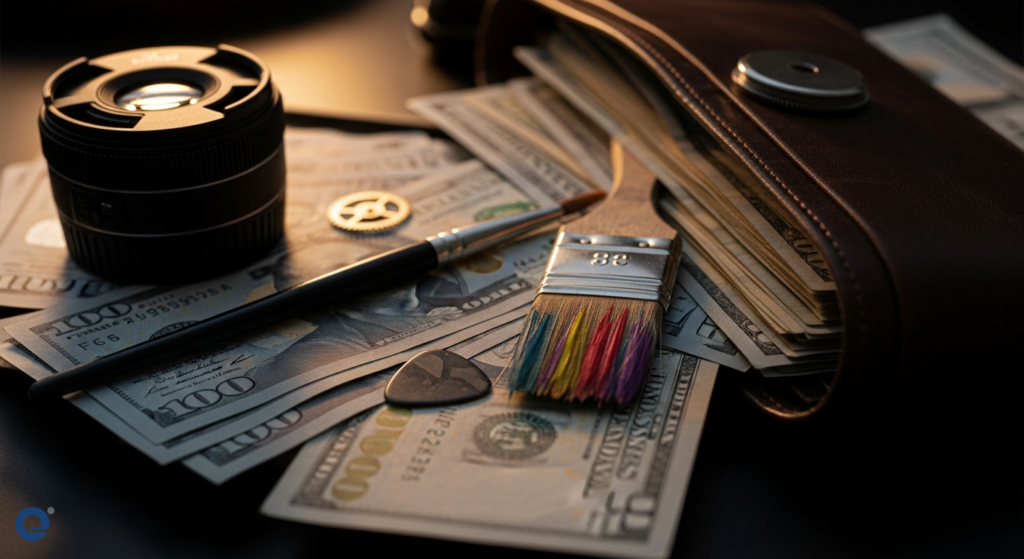
High-cost personal hobbies like photography, cycling, and gaming can be incredibly rewarding. However, they also come with a significant price tag. It’s easy to overspend when pursuing these passions. Therefore, smart spending strategies are crucial. This guide will help you enjoy your expensive hobbies without breaking the bank. We’ll explore how to make wise financial choices. Furthermore, we will look at minimizing debt. Finally, we’ll cover how to maximize value.
Understanding Your Hobby Expenses
Before you can spend smart, you need to know where your money is going. Expensive hobbies often involve many smaller costs that add up. For instance, a photographer might need lenses, bags, filters, and software. A cyclist needs a bike, helmet, specialized clothing, and maintenance. Gamers require consoles, PCs, high-end peripherals, and games. Therefore, a thorough understanding of all potential costs is vital.
Itemizing Your Hobby’s True Cost
Start by listing every single item or service related to your hobby. Be as detailed as possible. This includes initial purchases and ongoing expenses. Think about maintenance, subscriptions, courses, and even travel related to your hobby. For example, photography workshops or cycling events add to the overall cost. Similarly, online gaming subscriptions or tournament fees are important to note.
It’s also important to consider the “hidden” costs. These are often overlooked. For instance, the electricity used by a gaming PC or the wear and tear on a camera’s shutter are real expenses. Tracking your spending diligently is the first step toward control. You can use apps, spreadsheets, or even a notebook. The goal is to see the full financial picture.
Budgeting for Your Passion
Once you know your expenses, you can create a budget. Budgeting helps you allocate funds specifically for your hobby. This way, you can enjoy it without impacting other financial goals. Building an effective budget starts by assessing your net income or take-home pay. This is your total wages after taxes and deductions, such as 401(k) contributions. Focus on this amount, not your gross pay, to avoid overspending.
For those with irregular income, like freelancers or gig workers, detailed record-keeping of contracts and payments is essential. This ensures your budget is based on realistic income. Therefore, financial planning is key.
Setting Realistic Financial Goals
What do you want to achieve with your hobby budget? Set clear, achievable goals. These can be short-term, like saving for a new lens, or long-term, like upgrading your entire gaming setup. Be specific with your goals. Include them as line items in your budget. For example, saving $50 a month for a specific camera accessory makes the goal tangible.
Goals provide motivation. Knowing you’re saving for something specific makes it easier to cut back on less important spending. This proactive approach helps you stay on track. You can explore strategies for setting realistic savings targets to guide you. Achieve Your Savings Goals: Realistic Target Setting provides excellent guidance on this.
Choosing the Right Budgeting Method
Several budgeting methods can help. The 50/30/20 rule is popular. It allocates 50% of income to needs, 30% to wants, and 20% to savings and debt repayment. You can adapt this to prioritize your hobby as a “want.” Alternatively, zero-based budgeting assigns every dollar a job. This offers maximum control. Finding a method that works for you is crucial. You can learn more about different approaches. For instance, Budgeting’s Old Guard Fails: Why Fixed Models Are Obsolete highlights why flexibility is important.
Ultimately, the best budgeting method is one you can stick to. Experiment until you find your fit. This ensures your hobby remains a source of joy, not financial stress.
Strategies for Smart Hobby Purchases
When it comes to expensive hobbies, making smart purchase decisions is paramount. This involves more than just finding the cheapest option. It’s about finding the best value for your money. It also means understanding when a higher upfront cost can lead to long-term savings.
The Value of Quality Over Quantity
For many high-cost hobbies, investing in quality equipment pays off. A well-made camera lens, a durable bicycle frame, or a robust gaming PC can last much longer. It often performs better than cheaper alternatives. Therefore, while the initial cost is higher, the cost per use decreases over time. This is a classic example of when buying expensive items actually saves money later.
Consider the “three-times cost rule.” Before buying an expensive item, ask yourself if you’ll use it enough to justify its cost over three years. If the answer is yes, it’s likely a good investment. This mindset helps differentiate between impulse buys and thoughtful purchases. You can explore this further in articles about The Three-Times Cost Rule: Rethink Big Buys.
Exploring the Used Market
The pre-owned market is a treasure trove for hobbyists. High-quality used gear can be found at a fraction of the original price. For photography, gently used lenses and camera bodies are widely available. Similarly, cyclists can find excellent deals on used bikes and components. For gamers, previous-generation consoles or used graphics cards can offer significant savings.
Always buy from reputable sellers. Inspect items thoroughly before purchasing. Check for signs of wear and tear. Reading reviews and asking for proof of functionality can prevent costly mistakes. This approach allows you to acquire top-tier equipment without the premium price tag.
Leveraging Sales and Discounts
Timing your purchases can lead to significant savings. Many retailers offer seasonal sales, holiday discounts, or clearance events. For example, Black Friday and Cyber Monday are prime times for electronics and gaming gear. Cycling shops often have end-of-season sales on apparel and accessories. Photographers can find deals during major holiday periods or specific manufacturer promotions.
Sign up for email newsletters from your favorite brands and retailers. This keeps you informed about upcoming sales. Additionally, look for student or professional discounts if applicable. Mastering vendor discounts through advanced negotiation tactics can also yield substantial savings. Master Vendor Discounts: Advanced Negotiation Tactics offers valuable insights.

DIY and Maintenance
Learning to perform basic maintenance yourself can save a lot of money. For cyclists, this might include chain cleaning, tire changes, or brake adjustments. Photographers can learn to clean their own sensors or lenses. Gamers can learn to upgrade their own components or troubleshoot common issues. These skills not only save money but also deepen your understanding of your equipment.
Many online resources, like YouTube tutorials, offer step-by-step guides. For example, you can find guides on how to perform basic bike maintenance. This is a great way to extend the life of your gear and reduce reliance on expensive professional services. Starting a Flower Farm on a Budget, while a different hobby, showcases the power of DIY and smart resourcefulness.
Minimizing Ongoing Costs
Beyond the initial purchase, ongoing costs can significantly impact your hobby budget. Being mindful of these recurring expenses is crucial for long-term financial health.
Subscription Services and Memberships
Many hobbies involve subscription services. Gamers might pay for online multiplayer access or game streaming. Photographers might subscribe to editing software or cloud storage. Cyclists might have memberships to cycling clubs or apps. Evaluate these subscriptions regularly.
Are you using them to their full potential? Can you find a cheaper alternative or a bundle deal? Sometimes, opting for a yearly subscription instead of a monthly one offers savings. Similarly, for software, consider if a one-time purchase is more cost-effective than a recurring subscription. You can also explore free alternatives. For example, many free photo editing tools exist.
Consumables and Replacements
Some hobbies require regular purchases of consumables. For instance, film for analog photography, specific cleaning supplies, or replacement parts for equipment. Buying in bulk can often reduce the per-unit cost. Look for reputable suppliers offering discounts for larger orders. Also, compare prices across different vendors.
For items that wear out, such as tires or certain camera batteries, research the best value brands. Sometimes, a slightly more expensive but more durable option will save you money in the long run due to fewer replacements. 7 Ways to Cut Costs Without Sacrificing Quality offers general principles applicable here.
Travel and Event Expenses
If your hobby involves travel, like attending photography conventions, cycling races, or gaming tournaments, these costs can escalate quickly. Plan your trips strategically. Look for off-peak travel times, book accommodation in advance, or consider carpooling with fellow hobbyists. Pack your own snacks and meals to avoid expensive venue food.
Researching free or low-cost local events can also be a great alternative. Many communities host amateur photography showcases, local cycling meetups, or casual gaming nights. These offer opportunities to engage with your hobby without significant travel expenses.
When to Invest vs. When to Save
Deciding when to spend more and when to cut back is a crucial skill. It requires careful consideration of value and necessity.
Analyzing the Return on Investment
For high-cost hobbies, think about the “return on investment.” This isn’t always financial. For a photographer, a better camera might lead to more professional work, thus generating income. For a cyclist, a high-performance bike might improve race times or endurance. For a gamer, a powerful PC could enhance their competitive edge or streaming capabilities. Consider if the investment will tangibly improve your experience or outcomes.
This is where the concept of intrinsic value comes into play. Is the purchase for status or genuine improvement? Identity Spending vs. Intrinsic Value: A Consumer’s Guide delves into this distinction.
The Power of Patience
Impulse buying can be detrimental to any budget, especially for expensive hobbies. Practice patience. Implement a waiting period, like the 48-hour rule, before making a significant purchase. This gives you time to reconsider. It allows you to research alternatives and confirm the necessity of the item. This simple habit can prevent many costly mistakes.
Sometimes, waiting for a sale or for a newer model to be released can result in a significant price drop on the item you desire. Financial patience is a virtue that yields long-term rewards. As the saying goes, “slow and steady wins the race.”
Financial Literacy Resources
Improving your financial literacy can significantly impact your ability to manage hobby expenses. Several resources offer valuable guidance.
Government and Non-Profit Resources
Organizations like the FDIC offer programs like “Money Smart for Young Adults.” This curriculum provides practical knowledge and skills for managing finances. It covers topics relevant to young people aged 16-24. Furthermore, government departments often publish free guides on financial planning. For example, the Missouri Department of Higher Education & Workforce Development offers publications on financial success. These include budgeting worksheets and money management tips. The “Smart About Spending Student Workbook” is one such resource. These materials are often available for free download or shipment. You can find more information at dhewd.mo.gov/ppc/publications.
The FDIC’s Money Smart program offers a structured approach to financial education. It includes modules on banking, credit, and saving. It also emphasizes real-life skills. You can learn more about these resources at fdic.gov/consumer-resource-center/money-smart-young-adults.
Online Tools and Calculators
Numerous online tools can assist with budgeting and financial planning. Budgeting apps can track spending automatically. Many offer features like goal setting and bill reminders. Spreadsheets can be customized for detailed financial tracking. Online calculators can help you determine loan payments, savings growth, or investment returns. These tools make managing finances more accessible and less daunting.
Bank of America offers tools like their “Life Plan” to help set and track financial goals. These resources can be integrated into your overall financial strategy. You can find helpful budgeting tools at bettermoneyhabits.bankofamerica.com/en/saving-budgeting/creating-a-budget. These resources are invaluable for anyone looking to gain control over their finances.
Frequently Asked Questions (FAQ)
How can I justify spending a lot on my hobby?
Justify hobby spending by focusing on the value it brings to your life, such as stress relief, skill development, or social connection. Aligning hobby expenses with your overall financial goals and ensuring they don’t compromise essential needs or long-term financial security is key. Learning to budget effectively for your passion makes it a sustainable part of your life.
What are the biggest money pitfalls for hobbyists?
The biggest money pitfalls include impulse buying, neglecting the used market, overspending on subscriptions, and failing to budget adequately. Lifestyle creep, where spending on hobbies increases as income rises, is also a common issue. Avoiding these requires discipline and a proactive financial approach.
Can I still enjoy expensive hobbies on a tight budget?
Absolutely. By focusing on smart spending, buying used, leveraging sales, learning DIY maintenance, and prioritizing value over brand names, you can significantly reduce the cost of expensive hobbies. Patience and careful planning are your greatest allies.
When is it smart to buy a cheaper version of hobby equipment?
It’s smart to buy a cheaper version when you are just starting out and unsure of your long-term commitment to the hobby. It’s also wise if the cheaper option still meets your needs adequately and you prioritize saving money for other goals. For example, a beginner photographer might start with a more affordable camera before investing in a professional-grade one.
How do I avoid “lifestyle creep” within my hobby spending?
To avoid lifestyle creep, regularly review your hobby budget and compare it to your income and other financial goals. Be mindful of upgrading equipment or increasing spending simply because you can. Focus on the intrinsic value and enjoyment your hobby provides, rather than keeping up with trends or others. You can learn more about avoiding this common pitfall in the article Upgrade Wisely: Avoid Lifestyle Creep Pitfalls.
Conclusion
Expensive hobbies enrich our lives in many ways. However, they require a disciplined approach to finances. By understanding your expenses, creating a realistic budget, and employing smart purchasing strategies, you can indulge your passions without financial strain. Remember to prioritize quality, explore the used market, leverage discounts, and consider DIY maintenance. Ultimately, smart spending is about maximizing enjoyment and value while maintaining financial well-being. Therefore, approach your hobbies with both passion and prudence.
<!–
* Article Title: Smart Spending Guide for Expensive Personal Hobbies
* Target Audience: Hobbyists with high-cost interests (e.g., photography, cycling, gaming) seeking efficiency.
* Word Count: 1600+
* Readability Score: Good
* SEO Keywords: smart spending, expensive hobbies, financial guide, hobby budget, photography budget, cycling budget, gaming budget, cost-effective hobbies, value for money, financial literacy.
* Date Created: 2023-10-27
* Author: Charsi Web Application
* Last Updated: 2023-10-27
–>
