
Luxury’s True Cost: Value vs. Price Revealed
Published on Tháng 12 18, 2025 by Admin
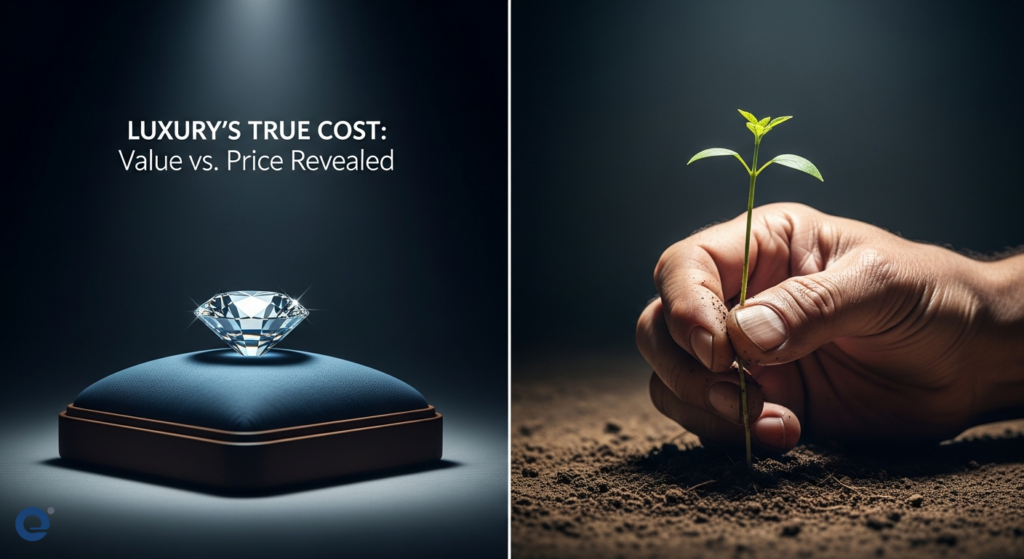
High-end purchases often come with a hefty price tag. But what are you truly paying for? This article delves into the complex relationship between the cost of luxury goods and their perceived value. We explore how brands leverage psychology and strategy to justify premium pricing. Young professionals and consumers interested in branding will find valuable insights here.
The Pricing Puzzle: Cost vs. Value
When it comes to pricing products, businesses face a fundamental choice. They can price based on cost, or they can price based on value. These two strategies, cost-based pricing and value-based pricing, significantly impact profitability and customer satisfaction. Understanding this distinction is key to grasping the true price of luxury.
What is Cost-Based Pricing?
Cost-based pricing is straightforward. It involves calculating the total cost of producing an item. Then, a fixed markup is added to determine the selling price. The formula is simple: Cost + Desired Profit Margin = Price. This method ensures all production costs are covered. It also provides consistent profit margins. For example, a supermarket uses this for everyday groceries. A furniture manufacturer calculates material and labor costs. They then add a markup. A cleaning company prices services based on supplies and labor costs.
Pros of Cost-Based Pricing
- Ease of Implementation: It’s easy to calculate costs and add a markup.
- Consistency: It covers all costs, leading to predictable profit margins.
- Predictability: Prices are based on internal factors, making revenue forecasting simpler.
Cons of Cost-Based Pricing
- Ignores Market Demand: It doesn’t consider what customers are willing to pay. Prices might be too high or too low for the market.
- Overlooks Competition: This strategy can ignore competitive pricing, creating a disadvantage.
What is Value-Based Pricing?
Value-based pricing shifts the focus. It prices products based on what customers perceive them to be worth. Production costs are secondary. Instead, the value delivered to the customer takes precedence. This includes factors like quality, brand prestige, and customer benefits. For instance, Apple products command higher prices than similar devices. This is due to their strong brand image, perceived quality, and innovative features. Value-based pricing allows companies to charge more for unique or high-perceived value offerings. It also aligns prices with customer willingness to pay, boosting happiness and loyalty.
Pros of Value-Based Pricing
- Higher Profit Margins: Pricing based on customer value, not cost, can lead to greater profitability.
- Customer Alignment: Prices reflect what customers are willing to pay, increasing satisfaction.
- Competitive Differentiation: It helps products stand out, especially where perceived value is key.
Cons of Value-Based Pricing
- Market Research Intensive: Requires thorough research to understand customer perceptions and willingness to pay.
- Perception Risks: If customers don’t see the value, they may not pay the set price, even if the company believes the value is high.
The Psychology Behind Premium Pricing
Why are people willing to pay significantly more for certain brands? The answer lies in the intricate psychology of consumer behavior and branding. Luxury goods are not just about their material components; they are about the experience, status, and emotional connection they offer.
Brand Reputation and Prestige
A strong brand reputation is a powerful driver of perceived value. Brands that consistently deliver positive experiences build trust and loyalty. This familiarity makes customers more likely to choose their products. For example, Apple’s brand image, synonymous with innovation and quality, allows it to command premium prices. Similarly, Rolex and Tesla are exemplary in pricing their products to reflect their high perceived value. Rolex uses its heritage and craftsmanship. Tesla leverages its innovative technology.
This strong brand image allows companies to differentiate themselves. It helps them stand out in crowded markets. Building a robust brand image is essential for commanding higher perceived value. This involves creating a cohesive brand identity. All customer touchpoints should reflect the brand’s core values and promises. Companies like Dior and Louis Vuitton invest heavily in their brand storytelling. This reinforces their exclusivity and desirability.
Customer Experience and Storytelling
Exceptional customer service significantly boosts perceived value. When customers feel supported and valued, their overall experience improves. Personalized communication and prompt issue resolution enhance this feeling. Companies like Zappos are renowned for their customer service. They create a loyal customer base that perceives high value.
Moreover, brand storytelling plays a crucial role. The narrative a brand builds from a client’s perspective is paramount. Many brands make the mistake of focusing solely on product features. However, what truly drives value is the desirability created through storytelling and client experience. Burberry’s struggle to establish higher price ranges, for instance, was attributed to too much product focus and insufficient client-centric brand storytelling. The result was a revenue decline.
Gucci’s recent performance also illustrates this point. The brand shifted its focus to product, aiming for a more premium image. However, it lost its core brand story of self-expression and freedom. As a result, Gucci experienced significant revenue decline. This highlights that people buy into a brand’s story, not just its product. If there is no story, there is often no perceived value.

The True Cost vs. Perceived Value of Luxury
Understanding the pricing of luxury goods requires looking beyond the manufacturing cost. The actual cost of producing a luxury item might be a fraction of its retail price. The remainder is attributed to various intangible factors that contribute to its perceived value.
Tangible Costs
These are the direct expenses involved in creating a product. They include raw materials, labor, and manufacturing overhead. For a high-end watch, this would involve the cost of precious metals, intricate watch movements, and skilled artisan labor. For a designer handbag, it’s the cost of premium leather, hardware, and expert stitching.
Intangible Costs and Value Drivers
These are the elements that elevate a product from functional to aspirational. They include:
- Brand Heritage and Legacy: Decades or even centuries of craftsmanship and reputation contribute significantly to value.
- Exclusivity and Scarcity: Limited production runs or waiting lists create a sense of rarity and desirability.
- Craftsmanship and Design: The artistry, attention to detail, and unique aesthetic appeal.
- Innovation and Technology: Cutting-edge features or proprietary technologies can justify higher prices.
- Marketing and Brand Building: Extensive advertising campaigns, celebrity endorsements, and aspirational lifestyle imagery.
- Customer Service and Experience: The overall purchasing journey, including in-store service, packaging, and after-sales support.
These intangible factors are what customers are truly paying for. They represent the emotional and psychological benefits derived from owning a luxury item.
When Value-Based Pricing Shines
Value-based pricing is particularly effective in industries where products or services offer a unique advantage or are perceived to have higher value by customers. This strategy is ideal for luxury goods, technology, and specialized services.
Luxury Goods: The Pinnacle of Value Pricing
As discussed, luxury brands heavily rely on value-based pricing. A high-end watchmaker prices based on brand prestige, not just material costs. Customers are buying into a brand, a status symbol, or a unique experience. Value-based pricing allows these companies to capitalize on that perceived value and charge a premium.
Technology and Innovation
Software companies often price based on the value they deliver to businesses. This could be increased efficiency or cost savings. The price reflects the benefit, not just the development cost. Customers in the tech industry are willing to pay more for solutions that solve specific problems or save time.
Healthcare Services
Specialist medical services also often employ value-based pricing. The price reflects the expertise, outcomes, and improved quality of life for the patient. This ensures that the cost aligns with the significant benefit provided.
The Risks of Misaligned Pricing
While value-based pricing offers significant advantages, it also carries risks. If customers do not perceive the value offered, they may be unwilling to pay the set price. This can lead to poor sales and damaged brand reputation.
The “Easy Growth Trap” of Promotions
Daniel Langer, founder and CEO of Équité, warns against promotions as an “easy growth trap.” Especially during tough economic times, many brands reduce prices. However, this can quickly destroy a luxury brand’s value. In luxury, pricing is a reflection of value. Aggressively discounting can signal a decline in quality or exclusivity. This can alienate existing customers and deter new ones seeking premium experiences.
Focusing on the Wrong Value Drivers
A common mistake is focusing on enhancing product features for premiumization without considering the client’s perspective. Many brands focus on the wrong area. This leads to paying a high price for their price increases. For example, Burberry’s focus on product features without client-centric storytelling led to revenue declines. The core message and value communicated to the client are paramount. Brands that neglect their narrative risk losing significant value.
Leveraging Value Perception for Success
Understanding and enhancing perceived value is critical for any business, especially those in the high-end market. This involves a multi-faceted approach focusing on key factors that influence customer decisions.
Maintaining a Strong Brand Image
A robust brand image is non-negotiable. Brands like Apple have built an identity synonymous with innovation and quality. This strong image allows them to command premium pricing and drive loyalty. Consistency across all customer touchpoints reinforces the brand’s promise.
Providing Excellent Customer Service
Exceptional customer service creates a sense of value and fosters loyalty. Tailoring interactions to customer needs and preferences significantly boosts perceived value. Personalized communication and seamless support experiences are vital. Companies that excel here build a dedicated customer base.
Strategic Pricing Alignment
Pricing strategies must align with the perceived value offered. This ensures customers feel they are receiving fair value for their money. When the perceived cost matches the benefits, satisfaction and purchase likelihood increase. Companies must carefully analyze product attributes, market positioning, and customer expectations.
The true cost of luxury is not just about the sum of its parts. It is about the story, the status, and the experience it provides. By understanding and strategically managing perceived value, brands can justify premium prices and cultivate lasting customer relationships.
Frequently Asked Questions
What is the main difference between cost-based and value-based pricing?
Cost-based pricing sets prices by adding a markup to the production costs. Value-based pricing sets prices based on what customers perceive the product or service to be worth.
Why do customers pay more for luxury goods?
Customers pay more for luxury goods due to brand prestige, exclusivity, craftsmanship, emotional benefits, and the overall brand experience, not just the material cost.
Can promotions hurt a luxury brand?
Yes, frequent or deep promotions can erode a luxury brand’s perceived value and exclusivity, potentially damaging its long-term profitability and image.
What is value perception?
Value perception is how valuable a customer believes a product or service is. It directly influences purchasing decisions and brand loyalty.
How important is brand storytelling in luxury pricing?
Brand storytelling is crucial. It helps create desirability and emotional connection, justifying higher prices by communicating the brand’s narrative and value proposition.
Is it possible for a brand to focus too much on product features for pricing?
Yes, focusing solely on product features without considering brand storytelling and customer experience can lead to pricing that doesn’t resonate with customers, resulting in lost sales.
How Luxury Brands Get You to Buy Into Their Hype
