
Your 6-Month Emergency Fund: A Beginner’s Guide
Published on Tháng 12 18, 2025 by Admin
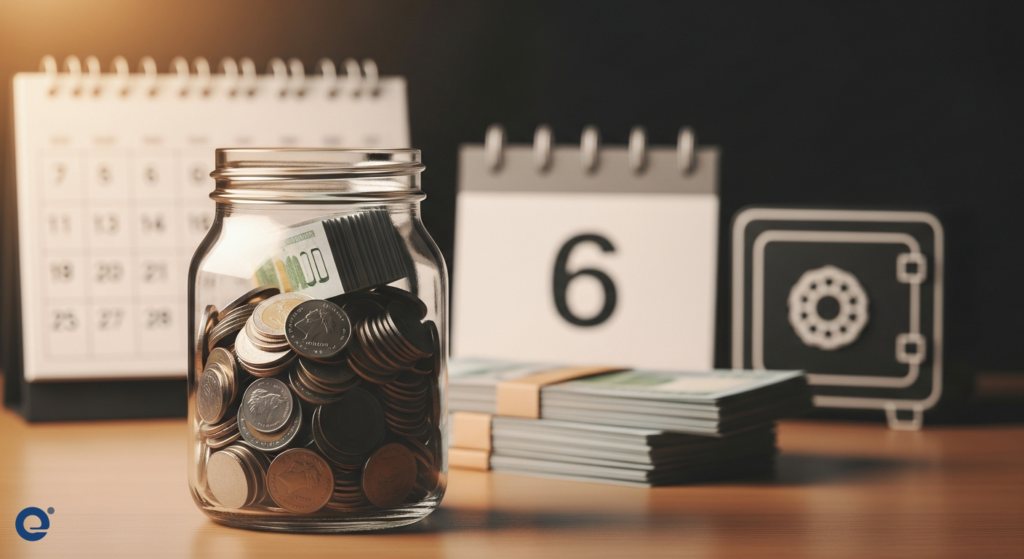
Unexpected expenses can strike at any moment. A sudden job loss, a medical emergency, or a car breakdown can quickly derail your financial stability. Therefore, building an emergency fund is a crucial first step toward financial security. This fund acts as a safety net, protecting you from the impact of unforeseen events.
In this comprehensive guide, we’ll explore what an emergency fund is, why it’s essential, and how to build one large enough to cover six months of living expenses. We will also discuss where to keep it and when to use it.
What Exactly Is an Emergency Fund?
An emergency fund is a dedicated reserve of cash specifically set aside for unplanned expenses. These are costs that are not part of your regular monthly budget. Think of it as your personal financial shock absorber. Common examples include:
- Car repairs
- Home repairs
- Unexpected medical bills
- Loss of income
- Damaged essential appliances
Essentially, it’s money readily available for large or small, unplanned bills that you haven’t budgeted for. By having this fund, you can recover more quickly from financial shocks and stay on track with your larger savings goals. Indeed, research suggests that individuals with less savings struggle more to recover from financial shocks .
Why Do You Absolutely Need an Emergency Fund?
Without adequate savings, even minor financial setbacks can cause significant problems. If these problems lead to debt, they can have a lasting negative impact on your financial well-being. For instance, relying on credit cards or loans to cover emergencies often results in debt that is difficult to repay. Moreover, people may be forced to dip into other savings, such as retirement funds, to manage unexpected costs.
Having an emergency fund provides peace of mind. It means you can face unexpected challenges without resorting to high-interest debt or depleting long-term investments. It’s like having water in the desert; even a small amount can provide immediate relief and keep you going .
How Much Money Should Be in Your Emergency Fund?
The ideal amount for your emergency fund varies depending on your personal circumstances. However, a widely recommended goal is to save enough to cover three to six months of your essential living expenses. This range is particularly important for preparing for income shocks, such as job loss .
To determine your target amount, you first need to understand your monthly expenses. Consider both fixed costs (like rent or mortgage) and variable costs (like groceries and entertainment). Calculating your total monthly spending is key to setting a realistic savings goal.
Calculating Your Monthly Expenses
Start by listing all your recurring monthly expenses. Be thorough and include everything you spend money on regularly. Break them down into categories:
- Housing: Rent or mortgage, property taxes, homeowners insurance.
- Utilities: Electricity, gas, water, internet, phone bills.
- Transportation: Car payments, insurance, gas, maintenance, public transport fares.
- Food: Groceries, dining out.
- Debt Payments: Credit cards, student loans, personal loans.
- Insurance: Health, life, disability insurance premiums.
- Personal Care: Toiletries, haircuts, gym memberships.
- Childcare/Education: School fees, daycare costs.
- Other Essentials: Pet care, subscriptions, etc.
Summing up these expenses will give you your total monthly outflow. For example, if your essential monthly expenses total $3,000, your target emergency fund would be between $9,000 (3 months) and $18,000 (6 months).
If you’re new to budgeting or find it challenging to track expenses, consider using a budgeting app. Many user-friendly apps can help you get started and identify where your money is going .
Determining Your Savings Goal
Once you know your total monthly expenses, you can set your savings goal:
- For Spending Shocks: Aim to save at least half of your monthly expenses. This covers immediate, unexpected costs like a broken windshield or a dental emergency .
- For Income Shocks: Aim to save three to six months’ worth of your total monthly expenses. This is crucial for covering your bills if you lose your job or experience a significant income reduction.
The ideal is to build up to six months of expenses. However, starting with three months is a great initial goal. You can always expand from there. Remember, even a small amount saved is better than nothing .

How Do You Build Your Emergency Fund?
Building an emergency fund takes time and discipline, especially if you’re starting with little savings. However, there are several effective strategies you can employ. Consistency is key. Creating a savings habit is one of the fastest ways to see your fund grow.
1. Create a Savings Habit
Establishing a routine for saving is vital. Firstly, set a clear goal for your savings. Knowing exactly what you’re working towards, like your emergency fund target, can be a powerful motivator .
Secondly, create a system for making consistent contributions. Automating your savings is often the easiest method. Set up automatic transfers from your checking account to your emergency savings account each payday. Even small, regular contributions add up significantly over time. Alternatively, you could set aside a specific amount of cash each day or week.
Thirdly, regularly monitor your progress. Seeing your savings grow provides gratification and encouragement. You can do this by checking your account balance or keeping a running tally of your contributions. Finally, celebrate your successes along the way. Acknowledging your achievements can help you stay motivated.
2. Automate Your Savings
Automation is a game-changer for building savings. By setting up automatic recurring transfers, you ensure that money is set aside before you have a chance to spend it. This strategy is particularly effective for those with consistent income. You can learn more about how to automate your finances in a single afternoon .
Many banks offer automatic transfer services. Simply log into your online banking portal and set up a recurring transfer from your primary checking account to your dedicated emergency savings account. Schedule it for the day after you get paid to ensure the funds are available.
3. Utilize Windfalls
Unexpected financial windfalls can significantly boost your emergency fund. This includes things like tax refunds, bonuses, or even monetary gifts. Instead of spending this extra cash, direct a substantial portion, or even all of it, into your emergency savings. For example, putting away a portion of your tax refund is an easy way to get started .
When you receive a tax refund, resist the urge to splurge. Instead, view it as a golden opportunity to fast-track your emergency fund goal. This can make a big difference, especially when you’re just starting out.
4. Cut Unnecessary Expenses
Review your budget and identify areas where you can cut back. Even small reductions in non-essential spending can free up money for savings. Consider dining out less, reducing entertainment costs, or cutting back on subscriptions you don’t use. You might be surprised to discover how many expenses can be trimmed without sacrificing your quality of life .
Many people are unaware of the “unseen expenses” that secretly derail their savings goals. Identifying and eliminating these drains is crucial for building a robust emergency fund .
For those with fluctuating income, managing cash flow is especially important. Exploring different budgeting methods and cash flow management habits can provide valuable strategies.
5. Consider Your Job Stability
If your job is particularly unstable or you work in a volatile industry, you might consider saving for a longer period, perhaps closer to six months or even more. Conversely, if you have a very stable job with strong benefits, you might feel comfortable starting with three months and gradually building up.
Where Should You Keep Your Emergency Fund?
The primary purpose of an emergency fund is accessibility. Therefore, it’s crucial to keep your money in an account where you can access it quickly without penalties or taxes.
Recommended Account Types
- High-Yield Savings Accounts (HYSAs): These accounts offer higher interest rates than traditional savings accounts, allowing your money to grow while remaining easily accessible. They are typically FDIC-insured up to $250,000.
- Money Market Accounts: Similar to HYSAs, these accounts often offer competitive interest rates and easy access to funds, sometimes with check-writing privileges. They are also usually FDIC-insured.
It is important to avoid placing your emergency savings in investments like stocks, bonds, mutual funds, certificates of deposit (CDs), or retirement accounts. These options may incur early withdrawal penalties or taxes, or their value could fluctuate, meaning you might not have the full amount when you need it most .
The goal is to have your money available immediately in an emergency. Therefore, liquidity is more important than potential investment returns for this specific fund.
When Should You Use Your Emergency Fund?
The emergency fund is strictly for unforeseen emergencies. It should not be used for planned expenses, wants, or discretionary spending. Tapping into it for non-emergencies defeats its purpose and can set back your financial progress.
Permissible Uses
- Unexpected medical bills
- Urgent home or car repairs
- Job loss or significant reduction in income
- Sudden essential travel due to a family emergency
- Replacing essential items that broke unexpectedly (e.g., a refrigerator)
When NOT to Use It
- Vacations
- New electronics or gadgets
- Holidays or birthdays
- Planned home renovations
- Paying off debt (unless it’s a dire situation and the only alternative to bankruptcy)
If you must use money from your emergency fund, the most important step is to start rebuilding it immediately. Replenish the account as soon as possible to ensure it’s ready for the next unexpected event. It’s a continuous cycle of saving and replenishing.
What is an Emergency Fund? | How to build it? | Personal Finance for Beginners Ep – 1
Frequently Asked Questions About Emergency Funds
What’s the difference between an emergency fund and a sinking fund?
An emergency fund is for unexpected, unforeseen events. A sinking fund is for planned, future expenses that you save for over time, like a down payment on a car or a vacation. The key difference is predictability.
Can I use my emergency fund to pay off debt?
Generally, no. An emergency fund is for true emergencies. While paying off high-interest debt is important, it’s usually a planned financial goal, not an immediate emergency. However, if you are facing dire consequences like eviction due to debt, it might be a last resort.
What if I can only save a small amount each month?
Every little bit counts. Even saving $20 or $50 a month is a start. The most important thing is to create a consistent habit. Automating small transfers can make it feel effortless. You can also explore ways to cut everyday costs .
How often should I review and adjust my emergency fund goal?
It’s a good practice to review your emergency fund goal at least once a year, or whenever a significant life change occurs (e.g., a change in income, marriage, new child, or major increase in expenses). This ensures your fund remains adequate for your current needs.
Is it possible to have too much in an emergency fund?
While it’s great to be prepared, having an excessive amount of cash sitting idle in an emergency fund might mean missing out on potential growth from investments. However, for most people, reaching the 6-month goal is the priority. Excess funds can then be directed towards other financial goals.
Conclusion: Your Path to Financial Resilience
Building an emergency fund is a fundamental pillar of sound financial planning. It provides a vital safety net against life’s inevitable uncertainties. By understanding your expenses, setting a clear goal, and employing consistent saving strategies, you can create a robust fund that offers peace of mind.
Remember to keep your emergency fund accessible and use it only for genuine emergencies. Then, diligently replenish it. This disciplined approach will empower you to navigate financial challenges with confidence and continue progressing towards your larger financial aspirations. Start today, and take that crucial step towards a more secure financial future.
