
The Hidden Cost of Annual Tech Upgrades
Published on Tháng 12 15, 2025 by Admin
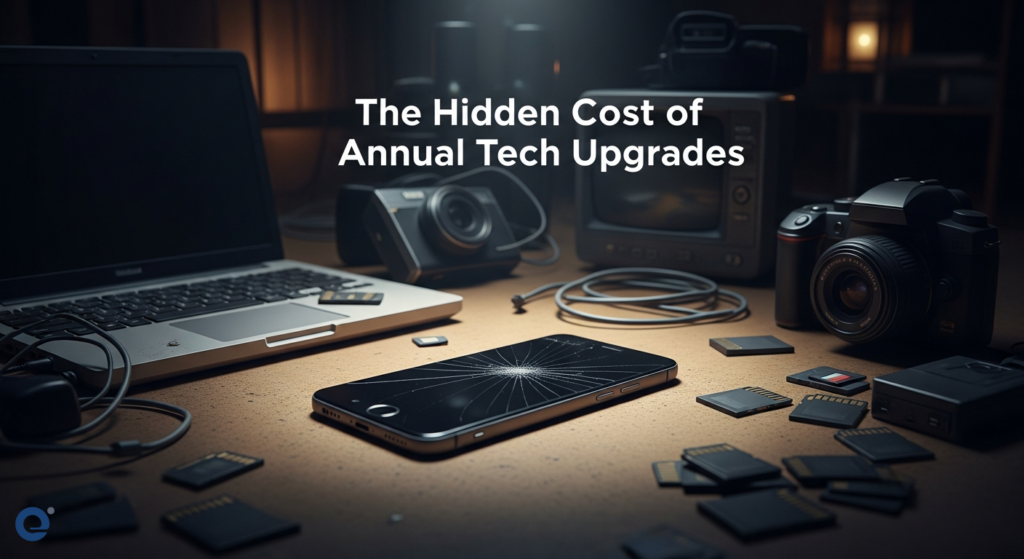
In today’s fast-paced world, staying current with the latest technology often feels like a necessity. Gadgets are released with dazzling new features, and subscription plans make them seem more accessible than ever. However, the allure of the newest smartphone or smart home device can mask a significant financial drain. Many consumers are unaware of the cumulative “hidden costs” associated with upgrading their technology every year. This article will shed light on these often-overlooked expenses, helping you make more informed decisions about your tech consumption.
It’s easy to get caught up in the cycle of annual upgrades. New models promise faster processors, better cameras, and sleeker designs. Subscription and installment plans can make these purchases feel more manageable by spreading the cost over time. Yet, this convenience often obscures the true financial impact. Let’s delve into the various aspects that contribute to the hidden cost of this relentless upgrade cycle.
The Allure of the New: Why We Upgrade
Technological advancement is relentless. Companies constantly innovate, releasing new products that often offer incremental improvements. These upgrades are marketed heavily, emphasizing the benefits and exciting new features. For many, the desire to have the latest and greatest is driven by social trends, perceived status, or a genuine belief that the new technology will significantly enhance their lives or productivity. Furthermore, the rise of subscription models and installment plans has lowered the barrier to entry for acquiring new gadgets.
For instance, a new smartphone might boast a slightly better camera or a faster chip. While these improvements are real, they often don’t justify the immediate financial outlay for many users. The perceived obsolescence of older, yet still perfectly functional, devices fuels this cycle. Moreover, the ease of signing up for a monthly payment plan can make a $1,000 phone feel like a $50 monthly expense, which seems much more palatable.
Understanding the True Cost of Ownership
When we talk about the cost of technology, we often focus on the initial purchase price. However, this is just the tip of the iceberg. The total cost of ownership (TCO) extends far beyond the sticker price and includes ongoing expenses that can quickly add up, especially with annual upgrades. These hidden costs are crucial to consider for anyone looking to manage their finances effectively.
For businesses, understanding TCO is paramount. For example, ERP systems, which manage core business processes, have costs that extend over 5-10 years. These include not just the purchase price but also implementation, training, maintenance, and upgrades. Similarly, for consumers, annual gadget upgrades incur costs beyond the device itself.
Software Subscriptions and Licensing Fees
Beyond the hardware, the software that powers our devices often comes with recurring costs. Many applications and services are now subscription-based. While this provides access to the latest features and updates, it represents a continuous outflow of money. For example, qualitative data analysis software like NVivo offers annual licenses and subscription options. These subscriptions ensure users have access to the latest AI features and continuous updates, but they also mean an ongoing annual expense as seen with NVivo’s subscription model.
Consider the ecosystem of apps and services that come with your smartphone. Many of these require subscriptions, from cloud storage and music streaming to productivity tools and gaming services. When you upgrade your device annually, you’re often renewing or re-subscribing to these services, adding to the overall cost. This is a significant factor that many overlook when calculating the true expense of their tech habits.
The Hidden Costs of Maintenance and Repairs
Even with the latest technology, devices can break or malfunction. While some devices come with limited warranties, these often don’t cover accidental damage. Repairing a cracked screen or a faulty component can be expensive, especially for newer, high-end models. Furthermore, as devices age, their performance may degrade, leading to slower speeds or battery issues, which can necessitate costly repairs or replacement.
When you upgrade annually, you might be tempted to forgo repairs on older devices, seeing them as disposable. However, the cost of repeated minor repairs on older devices can sometimes outweigh the depreciation of a newer one if you factor in the long-term. More importantly, the cost of extended warranties or insurance plans, often pushed during purchase, adds another layer to the recurring expenses.
Depreciation: The Value That Vanishes
One of the most significant hidden costs is depreciation. As soon as you unbox a new gadget, its value begins to decrease. The moment a new model is released, the previous one instantly loses a substantial portion of its resale value. This rapid depreciation means that if you sell your old device to fund a new purchase, you’re likely getting back far less than you initially paid, effectively losing money on the transaction.
For example, a smartphone that cost $1,000 might be worth only $500-$600 after a year, especially if a new model has just been released. This 40-50% loss in value is a direct financial cost of upgrading. Over several years of annual upgrades, this depreciation can amount to thousands of dollars. It’s akin to buying a new car every year; the moment you drive it off the lot, it depreciates significantly.
Data Migration and Setup Hassles
Switching to a new device isn’t always seamless. Transferring data, setting up apps, and reconfiguring settings can be time-consuming and frustrating. While many devices offer automated migration tools, they aren’t always perfect. You might encounter issues with app compatibility, data corruption, or simply the sheer volume of time spent ensuring everything is transferred correctly. This lost time represents a productivity cost that is often not factored into the purchase decision.
Consider the hours spent downloading apps, logging back into accounts, and organizing files. For tech-savvy individuals, this might be a minor inconvenience. However, for others, it can be a significant hurdle. This lost productivity, especially if it cuts into work or personal time, is a tangible cost. It’s an unseen expense that erodes the perceived value of the new device.
The Subscription Trap: Convenience vs. Cost
Subscription and installment plans have revolutionized how we acquire technology. They offer a way to access high-cost items without a large upfront payment. However, this convenience can lead to overspending and a lack of awareness about the total financial commitment. It’s crucial to understand the difference between paying for access and owning an asset.
While a monthly payment might seem affordable, it’s essential to calculate the total cost over the duration of the plan. Often, these plans result in paying more than the device’s outright purchase price. For instance, a popular strategy for businesses is to compare different ERP pricing models, understanding that cloud-based solutions often involve lower upfront costs but a continuous subscription-based pricing as detailed in ERP pricing guides.
Long-Term Financial Commitment
When you opt for installment plans, you’re committing to a long-term financial obligation. This can tie up your budget for months or even years, limiting your ability to save or invest in other areas. It’s easy to lose track of multiple monthly payments across various devices and services, leading to financial strain. This ongoing commitment can be particularly challenging if your income fluctuates.
Think about a scenario where you have a phone plan, a tablet installment, a smart home device subscription, and perhaps a gaming console payment all running concurrently. These seemingly small monthly payments can accumulate, creating a substantial financial burden. This continuous outflow can hinder your ability to achieve larger financial goals, such as saving for a down payment or retirement.
The Risk of Over-Subscription
The ease of subscribing to services can lead to a phenomenon known as “subscription creep.” You might sign up for a free trial and forget to cancel, or subscribe to multiple services for occasional use. This results in paying for things you don’t actively use or need. When this happens across several devices and platforms, the wasted expenditure can be significant.
For example, a user might subscribe to a streaming service for a specific show, then forget to cancel after watching it. Similarly, a cloud storage plan might be taken out for a temporary need and then remain active indefinitely. This often happens with gadgets too. You might buy a new device that comes with a bundled service, only to find you already subscribe to it, leading to redundant payments.
Impact on Productivity and User Experience
Beyond the financial implications, the constant cycle of upgrades can also negatively impact productivity and user experience. Frequent changes in operating systems, user interfaces, and software functionalities can lead to confusion and inefficiency. While new features are often introduced to enhance user experience, poorly implemented updates can have the opposite effect.
According to Pendo.io, poor software experiences can cost organizations millions in wasted productivity, R&D investments, and customer churn as highlighted in analyses of software experience. While this often pertains to business software, the principle applies to consumer gadgets as well. If a new device’s interface is clunky or its features are difficult to access, it can lead to frustration and decreased efficiency.
Learning Curves and Adaptation Time
Every new device or software update comes with a learning curve. Users need time to adapt to new interfaces, features, and workflows. This adaptation period can lead to temporary dips in productivity. If upgrades are happening annually, users are in a perpetual state of learning and adaptation, never quite reaching peak efficiency with any single system.
Imagine constantly having to re-learn how to use your phone’s camera or navigate your smart TV’s menus. This constant need to adapt can be mentally taxing and reduce the overall enjoyment of using technology. For professionals, this can translate into lost billable hours or missed deadlines, impacting their bottom line. You can learn more about managing costs without sacrificing quality in articles discussing 7 ways to cut costs without sacrificing quality.
The “Good Enough” Principle
Many users find that their current devices are “good enough” for their needs. A smartphone from two or three years ago likely still performs most essential tasks adequately. However, marketing and the pressure to upgrade often overshadow this reality. Applying the “good enough” principle means resisting the urge to upgrade simply because a new model is available, thereby saving significant money.
This principle is about evaluating whether the marginal improvements offered by a new device truly justify the cost. For many, the answer is no. A device that can still make calls, send messages, browse the web, and run essential apps is perfectly functional. Holding onto devices longer aligns with a more sustainable and financially prudent approach to technology consumption.
Environmental Impact of Constant Upgrades
The relentless cycle of technological upgrades also has a significant environmental cost. Electronic waste, or e-waste, is a growing global problem. Discarded gadgets often end up in landfills, where their toxic components can leach into the soil and water. The production of new devices also consumes vast amounts of energy and natural resources.
By upgrading less frequently, consumers can reduce their contribution to e-waste. Repairing existing devices and recycling them responsibly are crucial steps in mitigating this environmental impact. This conscious choice not only benefits the planet but also aligns with a more mindful approach to consumption.
Making Smarter Choices: Strategies for Consumers
Given these hidden costs, it’s essential to adopt strategies that promote smarter technology consumption. The goal isn’t to abandon technology but to use it more intentionally and cost-effectively. By understanding the true financial and practical implications, you can make choices that better serve your budget and your needs.
Consider the long-term value of a purchase rather than the immediate gratification of owning the latest model. This shift in perspective can lead to substantial savings over time. It’s about moving from a consumption-driven mindset to one of mindful acquisition.
Assess Your Actual Needs
Before jumping on the latest upgrade bandwagon, take a step back and assess your actual needs. Does the new device offer features that you will genuinely use? Or are you upgrading out of habit or because of marketing pressure? Often, our current devices are more than capable of handling our daily tasks. Understanding your usage patterns is key to avoiding unnecessary expenses.
For example, if you primarily use your phone for calls, texts, and social media, a high-end model with advanced camera features might be overkill. Similarly, if you only use a tablet for occasional web browsing and reading, a basic model will suffice. This critical self-assessment can prevent impulse purchases that lead to buyer’s remorse and financial strain.
The “Three-Times Cost” Rule
A useful heuristic for evaluating significant purchases is the “three-times cost” rule. This rule suggests that if an item’s annual cost of ownership is more than one-third of its purchase price, you should reconsider the purchase. For gadgets, this includes the purchase price, plus subscription fees, accessories, potential repairs, and depreciation. If the total annual cost approaches or exceeds a third of the initial price, it might be too expensive in the long run. This encourages a focus on long-term value rather than just the upfront cost. You can explore this concept further in articles discussing the three-times cost rule.
Applying this rule to a $1,000 smartphone: if its annual costs (depreciation, subscriptions, etc.) add up to $333 or more, it might not be a wise investment. This encourages users to hold onto devices longer, reducing the impact of depreciation and ongoing service fees. It’s a practical way to re-evaluate big buys.
Consider Refurbished or Certified Pre-Owned Options
For those who want newer technology without the premium price tag, refurbished or certified pre-owned devices offer an excellent alternative. These devices have been inspected, repaired (if necessary), and restored to full working order, often with a warranty. They provide significant cost savings compared to buying new, while still offering a reliable experience. This is a smart way to get more value for your money.
Purchasing a refurbished device can drastically reduce the impact of depreciation. You’re buying a device that has already experienced its initial value drop, making it a more financially sound decision. Many reputable retailers offer these options, ensuring quality and peace of mind.
Prioritize Durability and Longevity
When choosing technology, prioritize devices known for their durability and longevity. Some brands and models are built to last longer and withstand more wear and tear. Investing in a well-built device that you can use for several years, rather than replacing it annually, will ultimately be more cost-effective and environmentally friendly. This aligns with the idea of buying quality that endures.
Researching product reviews that focus on long-term reliability can be invaluable. Look for devices that have a track record of performing well over time, rather than just those with the flashiest new features. This approach shifts the focus from novelty to sustained value.
Conclusion: A More Sustainable Approach to Technology
The annual tech upgrade cycle, while appealing on the surface, carries significant hidden costs. From depreciation and subscription creep to lost productivity and environmental impact, the financial and practical toll can be substantial. By understanding these hidden expenses and adopting a more mindful approach to technology consumption, consumers can save money, reduce waste, and enjoy a more sustainable relationship with their gadgets.
Resisting the urge to upgrade annually and instead focusing on genuine needs, longevity, and value can lead to greater financial freedom and a more responsible use of resources. It’s time to break free from the endless upgrade cycle and embrace a smarter, more sustainable way of engaging with technology.
Frequently Asked Questions
What is the biggest hidden cost of upgrading technology annually?
The biggest hidden cost is often depreciation, where the value of your old device plummets the moment a new model is released, leading to significant financial loss over time.
How do subscription plans contribute to the hidden costs of technology upgrades?
Subscription plans create a continuous financial commitment. While they lower upfront costs, they can lead to over-subscription and paying more in the long run than the outright purchase price, especially when combined with frequent upgrades.
Is it always more expensive to repair an old device than to buy a new one?
Not necessarily. While frequent repairs can add up, the rapid depreciation of new devices and the ongoing costs of subscriptions can make holding onto and repairing an older, functional device a more cost-effective choice in the long run.
How can I avoid the “subscription creep” associated with technology?
Regularly review your subscriptions, cancel services you no longer use, and be cautious with free trials. Opt for devices or services that offer a one-time purchase or a bundled deal that provides genuine value, rather than accumulating multiple recurring fees.
What is the environmental impact of upgrading technology every year?
Annual upgrades significantly contribute to electronic waste (e-waste), which poses environmental hazards due to toxic components. The production of new devices also consumes considerable energy and natural resources.
Google Photo Storage Full ? Get 2TB Cloud Storage for Photos, Drive & Gmail
