
IT Asset Lifecycle Cost Optimization
Published on Tháng 12 15, 2025 by Admin
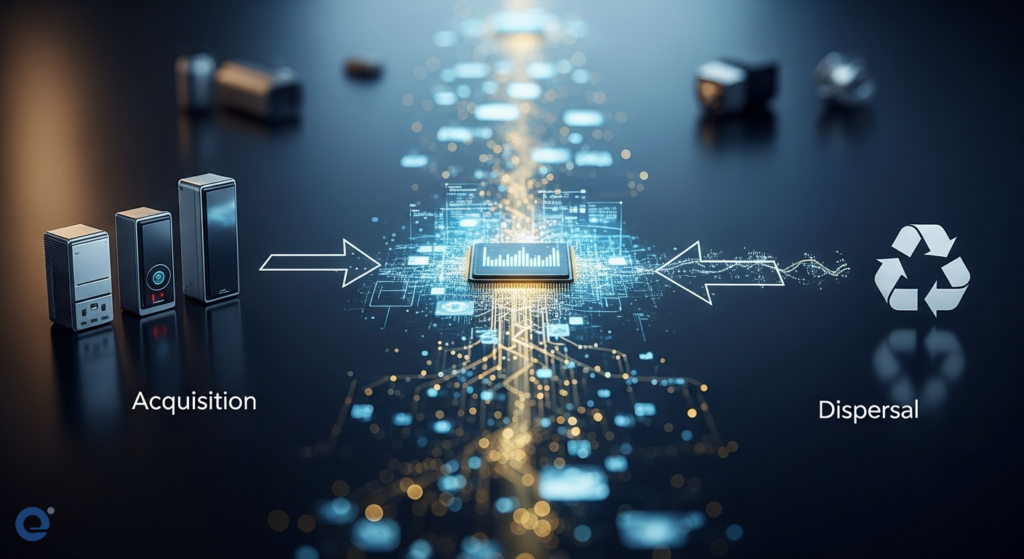
In today’s fast-paced business environment, optimizing IT asset lifecycle costs is crucial. This means extending the lifespan of hardware without compromising productivity. Essentially, it’s about getting the most value from every IT investment. Therefore, a structured approach to IT asset management is no longer a luxury but a necessity.
Without a clear strategy, organizations can fall into a cycle of constant, costly replacements. This leads to wasted money, lost assets, and significant downtime. However, by implementing effective IT asset lifecycle management (ITAM), businesses can stop this waste and boost their return on investment (ROI). This article will explore how to achieve IT asset lifecycle cost optimization by extending hardware lifespan while maintaining peak productivity.
The Significance of Extending Asset Lifespan
Extending the lifespan of IT assets is more than just keeping equipment running longer. It’s a strategic move that directly impacts operational efficiency and cost management. Assets represent substantial investments for any company. Maximizing their useful life, therefore, yields significant returns on investment.
Optimizing Operational Efficiency
A key benefit of extending asset lifespan is the optimization of operational efficiency. When assets perform reliably over extended periods, operations can run smoothly. This continuity ensures that resources are utilized effectively, preventing interruptions or delays due to equipment failures. As a result, productivity is enhanced.
Reducing Costs
Furthermore, extending asset lifespan contributes significantly to cost reduction. The expenses associated with replacing or repairing assets can be substantial. These costs include not only direct procurement expenses but also indirect costs like downtime, maintenance, and operational disruptions. By prolonging asset life, organizations minimize these expenses. They can then allocate resources more efficiently.
Understanding the IT Asset Lifecycle
IT asset lifecycle management (ITAM) is the process of overseeing physical IT components throughout their entire journey. This includes everything from planning and acquisition to maintenance, upgrades, and eventual disposal. A structured ITAM strategy ensures that assets are properly accounted for, deployed, and maintained. It also helps in their timely upgrade or disposal when necessary.
This comprehensive approach is an essential part of overall IT management. It works in conjunction with software asset management (SAM) for a complete picture of an organization’s technology resources. Effective Hardware Asset Management (HAM) practices optimize the utilization, performance, and value derived from hardware assets. This contributes to a healthy and efficient IT environment.
The Stages of the IT Asset Lifecycle
A well-defined IT asset lifecycle management process typically includes several key stages. Each stage is crucial for maximizing value and minimizing costs.
- Planning: Setting the foundation for operational success. This involves understanding current needs and forecasting future requirements.
- Acquisition: Making informed choices for long-term efficiency. This stage focuses on procuring the right hardware at competitive prices.
- Deployment: Strategically implementing hardware to support business operations. Proper deployment ensures seamless integration and efficient utilization.
- Operation: Maximizing asset performance during active use. This involves regular monitoring and user support.
- Maintenance: Extending asset lifespan and optimizing costs. This includes proactive care and timely repairs.
- Upgrades and Refreshes: Keeping hardware current to meet evolving business needs and technological advancements.
- Reverse Logistics: Closing the loop through responsible disposal, recycling, or redeployment.
By meticulously managing each of these stages, organizations can achieve significant cost savings and enhance productivity.
The Role of Predictive Maintenance
Predictive maintenance plays a pivotal role in extending the lifespan of IT assets. By leveraging data analytics and machine learning, it identifies potential issues before they escalate into failures. Proactively addressing these issues through scheduled maintenance prevents premature wear and tear, ultimately prolonging asset lifespan.
This approach not only reduces replacement costs but also maximizes the value derived from assets. It enhances overall operational efficiency and profitability. In essence, predictive maintenance shifts the focus from reactive repairs to proactive care.
Early Detection of Degradation
Predictive maintenance utilizes advanced monitoring techniques and data analytics to assess asset condition in real-time. By analyzing various parameters like temperature, vibration, and performance metrics, these systems can detect subtle signs of equipment degradation. This early detection allows maintenance teams to identify potential problems before they manifest as visible failures or malfunctions.
This proactive approach minimizes the risk of unexpected downtime. It significantly extends the operational lifespan of assets. For instance, monitoring server temperature can predict potential overheating issues before they cause a critical system failure.
Timely Interventions to Prevent Breakdowns
One of the primary objectives of predictive maintenance is to enable timely interventions that prevent breakdowns. Armed with predictive insights, maintenance teams can schedule preventive activities strategically. They can address emerging issues before they become critical failures. By implementing targeted maintenance interventions, organizations optimize asset performance, mitigate risks, and maximize uptime.
This proactive strategy empowers organizations to anticipate and address maintenance needs proactively. By leveraging advanced technologies and data-driven insights, they can safeguard their assets, minimize downtime, and optimize performance throughout their lifecycle. This is a powerful tool for achieving greater returns on investment.

Extending Hardware Lifespan Without Sacrificing Productivity
Extending hardware lifespan is a core component of IT asset lifecycle cost optimization. However, this must be done without sacrificing productivity. This requires a balanced approach that considers both the longevity of the equipment and the efficiency of the users.
Strategic Procurement and Planning
The journey begins with strategic procurement and planning. Instead of last-minute, overpriced panic buys, organizations should forecast their IT needs. This involves understanding company expansion, employee growth, and anticipated workload increases. Investing in emerging technologies like AI and automation also needs careful planning. Meeting industry standards such as GDPR, HIPAA, and ISO 27001 is also crucial.
Furthermore, aligning asset purchases with business goals is paramount. Consider not only the purchase price but also maintenance support and decommissioning costs. Building strong relationships with vendors and suppliers can lead to better pricing, more generous warranties, and enhanced support. This strategic foresight prevents costly reactive decisions.
The Importance of Maintenance and Upgrades
Regular maintenance is critical. This includes scheduled check-ups, cleaning, and software updates. Proactive maintenance minimizes the risk of hardware failures, downtime, and disruptions. It ensures that hardware assets perform optimally throughout their extended lifespan.
Upgrades and refreshes are also vital. As technology advances and business needs evolve, hardware may require component upgrades or replacement. This ensures compatibility with the latest software and applications, maintaining high performance levels. For example, upgrading RAM or replacing an aging hard drive with an SSD can significantly boost a computer’s speed.
Circular IT Strategies and Device-as-a-Service (DaaS)
The traditional linear model of IT consumption—buy, use, and discard—is unsustainable. A circular IT strategy focuses on maximizing the value of IT assets through a closed-loop system. This involves extending device lifespan through refurbishing, redeployment, and proactive maintenance. Enabling reuse by reallocating devices across different departments is also key.
Device-as-a-Service (DaaS) is a prime example of this circular approach. DaaS shifts from ownership to consumption-based IT management. Organizations pay a fixed monthly fee for hardware and services, eliminating large upfront costs and improving budget predictability. This model not only reduces capital expenditures (CAPEX) but also shifts costs to operational expenditures (OPEX).
By implementing structured lifecycle processes—from smarter procurement and proactive maintenance to secure retirement and asset recovery—organizations can achieve both immediate and long-term savings. For instance, extending a laptop’s lifespan by just two years can lower its carbon footprint by nearly 30%. This circular approach significantly reduces carbon emissions and electronic waste.
Key Benefits of IT Asset Lifecycle Cost Optimization
Implementing a robust IT asset lifecycle management strategy yields numerous benefits. These advantages directly contribute to cost optimization and enhanced productivity.
Cost Savings Through Lifecycle Optimization
By extending the lifecycle of IT equipment, organizations can reduce capital expenditures (CAPEX). Proactive monitoring and maintenance significantly reduce repair and replacement costs. Identifying underused devices eliminates wasteful spending on unnecessary services. Furthermore, secure retirement and resale of old devices can reclaim residual value.
For example, optimizing device usage can identify underutilized assets. This prevents unnecessary purchases and reduces overall spending. Smart procurement decisions, guided by data, ensure the selection of devices with the best total cost of ownership. This approach minimizes costly surprises and maximizes budget efficiency.
Improved Workforce Productivity
Automating procurement, returns, and repairs frees up valuable administrative time. This allows IT staff to focus on more strategic initiatives. When employees have access to reliable and up-to-date hardware, their productivity naturally increases. Slow, inefficient devices can hinder workflow and lead to frustration.
A circular IT model ensures regular hardware refreshes and proactive maintenance. This provides end-users with a seamless IT experience. Enhanced security reduces risks of data breaches, which can avoid costly fines and protect brand reputation. Flexible scalability allows for easy adjustments to mobile fleets without unpredictable cost spikes.
Enhanced Security and Compliance
Proper hardware lifecycle management aids in meeting industry-specific compliance requirements. Responsible retirement and disposal of hardware mitigate the risk of data breaches and unauthorized access to sensitive information. Secure data erasure during disposal is paramount.
Organizations must also align their IT strategies with global environmental policies. A circular IT strategy helps meet compliance standards around corporate sustainability and IT waste management. This positions organizations as leaders in corporate responsibility.
Maximizing Value: A Strategic Approach
ITAM is your money’s worth. Every dollar spent works for you and helps IT and business align their investments toward their goals. A structured strategy means no wasted money, lost assets, and less downtime. It’s about making informed decisions at every stage of the hardware lifecycle.
Consider the hidden costs of annual tech upgrades. Sometimes, extending the life of existing, well-maintained hardware is more cost-effective than frequent replacements. Understanding the total cost of ownership, including maintenance, support, and potential downtime, is key to true cost optimization. You can learn more about how to cut costs without sacrificing quality in our guide on 7 Ways to Cut Costs Without Sacrificing Quality.
Frequently Asked Questions
What is IT asset lifecycle cost optimization?
IT asset lifecycle cost optimization is the strategic process of managing IT hardware from acquisition to disposal to minimize overall expenses while maximizing its useful life and productivity. This involves careful planning, efficient procurement, proactive maintenance, and responsible end-of-life management.
How does predictive maintenance help extend hardware lifespan?
Predictive maintenance uses data analytics and machine learning to detect potential hardware issues before they cause failures. By identifying degradation early, timely interventions can be scheduled, preventing premature wear and tear and thus extending the hardware’s operational life.
What is the role of Device-as-a-Service (DaaS) in cost optimization?
Device-as-a-Service (DaaS) shifts IT hardware from a capital expenditure (CAPEX) to an operational expenditure (OPEX) model. It provides hardware and services on a subscription basis, offering budget predictability, reducing upfront costs, and often including lifecycle management services that promote longer hardware usage and sustainability.
How can organizations ensure productivity while extending hardware lifespan?
Organizations can ensure productivity by focusing on regular, proactive maintenance and timely hardware upgrades or refreshes when necessary. Investing in quality hardware, providing adequate user training, and leveraging DaaS models that ensure up-to-date equipment also contribute to sustained productivity.
What are the environmental benefits of extending hardware lifespan?
Extending hardware lifespan significantly reduces electronic waste (e-waste) and lowers the carbon footprint associated with manufacturing and disposal of new devices. A circular IT approach, which emphasizes reuse, refurbishment, and recycling, is crucial for environmental sustainability.
